Kei Truck & Kei Car Laws in Hawaii (2026)
UnclearHawaii has no kei registration pathway. HRS 286-42 bars vehicles not certified to FMVSS. Hawaii and Maui counties refuse them; Honolulu and Kauai review case by case.
Are Kei Trucks Legal in Hawaii?
Probably not, and the popular "35 mph rule" you have read elsewhere is a myth. Plenty of guides, including an earlier version of this page, claimed Hawaii registers kei trucks as low speed vehicles limited to roads posted 35 mph or lower. There is no statutory basis for that. Hawaii's LSV definition requires FMVSS 500 conformance and a 25 mph design speed, and a kei truck meets neither test, so the LSV pathway simply does not exist here.
The real gatekeeper is HRS 286-42(a), which prohibits registering any vehicle that was not manufacturer certified to Federal Motor Vehicle Safety Standards, with only narrow case specific exceptions such as special interest vehicle or reconstructed vehicle classifications. A stock JDM kei truck was never certified to FMVSS, so it fails that test on arrival. Registration is administered by the counties, and the counties do not agree with each other. Hawaii County's vehicle registration office states outright that noncompliant imported vehicles may not be registered in the County of Hawaii, and Maui County's out of state registration page carries the same HRS 286-42 requirement. Honolulu and Kauai route unusual vehicles through Motor Vehicle Control Inspector review and decide case by case, which is why you will spot kei trucks running around Oahu while the Big Island and Maui publish flat refusals. A June 2026 state by state review counts Hawaii among roughly 14 states that refuse on road kei registration outright.
None of this touches the federal side. Under the NHTSA 25 year import rule, vehicles 25 years or older are exempt from DOT and EPA compliance requirements, so you can legally land a 2001 or older Suzuki Carry, Honda Acty, Daihatsu Hijet, or Mitsubishi Minicab at a Hawaii port in 2026. Clearing customs is the easy part. Getting a county to hand you plates is the fight. For the import side, check our complete guide to importing a kei truck from Japan.
Until your county approves an exception classification, kei trucks in Hawaii are most practical for:
- Farm and agricultural use on private land
- Resort and hospitality operations on private property
- Plantation and ranch duty where plates never matter
- Off road recreational use
How to Register a Kei Truck in Hawaii
If your county will register a kei truck at all, the paperwork below is what the process looks like. Do not skip the eligibility question: under HRS 286-42 the county has to approve an exception classification before any of these steps matter, so call your county motor vehicle office first and get the answer in writing.
Step 1: Import Compliance Ensure your kei truck meets federal import requirements:
- Vehicle must be 25+ years old
- U.S. Customs Form 3299 (Declaration for Free Entry of Unaccompanied Articles)
- U.S. EPA Form 3520-1 (if applicable)
- DOT exemption documentation
Step 2: Gather Required Documents
- Original vehicle title or export certificate from Japan
- Bill of sale with purchase price and date
- Customs clearance documentation
- Valid Hawaii driver's license or state ID
- Proof of Hawaii auto insurance
- Safety inspection certificate (required before registration)
Step 3: Obtain Safety Inspection Before registering, your kei truck must pass a Hawaii safety inspection. All vehicles on Oahu and other Hawaiian islands require a valid safety inspection certificate.
Schedule an inspection at a certified inspection station. Bring proof of Hawaii motor vehicle insurance, as it's required to obtain the inspection.
Cost: Inspection fees vary by station but typically range from $15-30.
Step 4: Visit County Motor Vehicle Office Hawaii vehicle registration is handled by county, not state. Visit your county's motor vehicle office:
- Honolulu (Oahu): City and County of Honolulu Motor Vehicle Division
- Maui County: Maui County Department of Finance
- Hawaii County: Hawaii County Finance Department
- Kauai County: Kauai County Division of Motor Vehicles
Step 5: Complete Registration Application Submit your application with all required documents. The clerk will verify your paperwork, safety inspection certificate, and insurance.
Step 6: Pay Registration Fees Hawaii registration fees are based on vehicle weight. Kei trucks typically weigh 1,500-2,200 pounds, placing them in the lower fee tiers.
Expect to pay approximately $45-100 annually for registration, plus one-time title fees if applicable.
Step 7: Receive License Plates Once approved, you'll receive Hawaii license plates and registration documents. Hawaii requires annual registration renewal and safety inspections.
Restrictions and Limitations
Hawaii's restrictions on kei trucks start at the registration counter, not on the road:
The Restriction Is Registration Itself Forget the 35 mph speed cap story. The blocker is the front door: HRS 286-42 bars registration of vehicles never certified to FMVSS, and whether you get past it depends entirely on your county. Maui and the Big Island say no in writing. Honolulu and Kauai decide vehicle by vehicle through inspector review. If your county does grant an exception classification, confirm any operating conditions attached to it when they issue plates, because there is no statewide kei statute spelling them out.
That reality shapes where a kei truck makes sense in Hawaii:
- Private land: farms, ranches, and resort properties on any island
- Oahu or Kauai owners who clear Motor Vehicle Control Inspector review
- Off road and plantation duty where registration never comes up
Equipment Requirements All vehicles in Hawaii must meet basic safety equipment standards:
- Working headlights, taillights, brake lights, and turn signals
- Functioning windshield wipers
- Adequate mirrors (driver's side minimum)
- Operational horn
- Seat belts for all seating positions
- Adequate tire tread (minimum 2/32 inch depth)
Most Japanese kei trucks meet these requirements, though some older models may need lighting or safety upgrades to pass inspection.
Commercial Use Kei trucks used for commercial purposes (landscaping, beach equipment rental, farm operations) may require:
- Commercial vehicle registration
- Business permits from your county
- Additional insurance coverage
Contact your county motor vehicle office for commercial registration requirements.
Insurance Requirements
Hawaii requires all motor vehicles to carry no-fault auto insurance with minimum coverage:
- $20,000 per person for bodily injury
- $40,000 per accident for bodily injury
- $10,000 per accident for property damage
Additionally, Hawaii requires Personal Injury Protection (PIP) coverage:
- $10,000 minimum PIP coverage per person
Finding Kei Truck Insurance in Hawaii Most major insurance carriers will provide liability coverage for properly registered kei trucks:
- State Farm
- Progressive
- Geico
- Allstate
- USAA (for military families)
Because of Hawaii's unique insurance requirements and island geography, expect to pay $600-1,200 annually for basic liability coverage, which is higher than mainland rates.
Specialty classic car insurers like Hagerty and Grundy may offer policies for kei trucks 25+ years old with agreed-value coverage. These policies typically:
- Require minimum vehicle value ($3,500+ for Hagerty)
- Restrict daily commuting and annual mileage
- Offer lower premiums than standard policies ($300-500 annually)
- Provide agreed-value replacement rather than depreciated value
Pro Tip: Insurers will ask how the truck is registered. If your county issued plates under an exception classification, bring that paperwork to the quote; it speeds up underwriting on a vehicle most Hawaii agents have never written.
Inspection and Emissions
Hawaii requires annual safety inspections for all motor vehicles, including kei trucks:
Annual Safety Inspection All vehicles must pass a safety inspection annually. Hawaii focuses solely on vehicle safety. The state does not have statewide emissions testing requirements, unlike many mainland states.
Inspection Components Hawaii's safety inspection examines:
- Brakes: Service brakes, parking brake, antilock system (if equipped)
- Lights: Headlights, taillights, brake lights, turn signals, license plate light
- Tires: Tread depth (minimum 2/32 inch), condition, proper size
- Steering and Suspension: Play in steering, ball joints, tie rods
- Windshield and Wipers: Cracks, chips, wiper operation
- Horn: Audible and functional
- Mirrors: Adequate rear visibility
- Seat Belts: All positions functional
- Exhaust System: Secure mounting, no excessive noise or leaks
- Battery and Wiring: Secure battery, no exposed wiring
Inspection Locations Safety inspections are performed at certified inspection stations throughout Hawaii. Many auto repair shops, service stations, and dealerships offer inspection services.
Cost: Expect to pay $15-35 for a safety inspection.
Timing: You can obtain an inspection up to 90 days before your registration expires. However, it's wise to inspect early in case repairs are needed.
Required Documents:
- Proof of Hawaii auto insurance
- Current vehicle registration (for renewals)
The safety inspection certificate is required for all vehicle registration transactions and to legally operate on Hawaii roads.
Tips from Hawaii Kei Truck Owners
Hawaii's island lifestyle makes kei trucks particularly appealing for the right use cases. Here are practical tips from owners and enthusiasts:
1. Choose the Right Island and County Your county decides your fate. Honolulu and Kauai review unusual vehicles case by case; Hawaii County and Maui County publish refusals for noncompliant imports:
- Best odds of plates: Oahu, Kauai
- Published refusals: Big Island, Maui
2. Use for Short-Range Transportation Embrace kei trucks for what they excel at: short trips in low speed areas. Beach runs, farmers market visits, neighborhood errands, and farm work are ideal use cases. Wondering how they compare to a side-by-side? Read our kei truck vs UTV comparison.
3. Consider a Second Vehicle Most Hawaii kei truck owners maintain a highway-capable vehicle for longer trips and inter-community travel. Kei trucks complement but rarely replace full size vehicles in Hawaii.
4. Prepare for Saltair Corrosion Hawaii's ocean air accelerates rust and corrosion. Regularly wash your kei truck (especially the undercarriage), apply rust protection, and inspect for corrosion during annual safety checks.
5. Join Local Communities Connect with other kei truck owners through island-based Facebook groups and the r/keitruck subreddit. Local knowledge about inspection stations, parts sources, and legal updates is invaluable.
6. Source Parts Before You Need Them Kei truck parts aren't readily available in Hawaii. Our kei truck parts guide covers the best online suppliers that ship to Hawaii. Order common wear items (brake pads, filters, belts) in advance and keep them on hand. Shipping from the mainland or Japan can take weeks.
Frequently Asked Questions
Q: Can I drive my kei truck on the highway in Hawaii? A: The honest answer is that most kei trucks in Hawaii never get plates at all. There is no statewide 35 mph kei rule; the real fight is registration under HRS 286-42. If your county approves an exception classification, confirm any operating conditions with them before you merge onto H-1.
Q: Do I need a special license to drive a kei truck in Hawaii? A: No special license class exists for kei trucks. A standard Hawaii driver's license covers you if the truck is registered.
Q: Can I take my kei truck between islands on the ferry? A: Hawaii no longer has regular interisland ferry service. If service resumes, a registered kei truck would likely be transportable like any other vehicle, but remember that the county that registered it made a case by case call another county might not have.
Q: Are kei trucks good for Honolulu city driving? A: Honolulu is actually your best shot at plates, since the City and County reviews unusual vehicles case by case instead of refusing outright. Whether city driving makes sense is a different question: kei trucks shine in quieter beach communities and rural areas, not in H-1 corridor traffic.
Q: Can I register a diesel kei truck in Hawaii? A: Emissions are not the problem; Hawaii has no emissions testing. The problem is the same HRS 286-42 registration gate every kei truck faces, diesel or gas.
Q: What's the process for importing a kei truck directly to Hawaii? A: You can import directly through Hawaii ports (Honolulu, Hilo, Kahului). Work with a customs broker to clear the vehicle, then proceed with safety inspection and registration.
Q: Are there any exceptions to Hawaii's FMVSS registration bar? A: HRS 286-42 allows case specific exceptions such as special interest vehicle and reconstructed vehicle classifications, granted at the county's discretion. Contact the Hawaii Department of Transportation and your county motor vehicle office for official guidance on qualifying.
Useful Links
- City and County of Honolulu Motor Vehicle Registration
- Hawaii Department of Transportation - Motor Vehicle Safety Office
- Hawaii Vehicle Safety Inspection Information
- NHTSA Vehicle Importation Guidelines
- Hawaii County Safety Inspection Component List
- r/keitruck Community
- Hagerty Classic Vehicle Insurance
Bottom Line: Hawaii has no kei truck registration pathway, and the 35 mph LSV story is a myth. HRS 286-42 bars registration of vehicles never certified to FMVSS, Hawaii County and Maui County refuse them in writing, and Honolulu and Kauai decide case by case through inspector review. Importing at 25 years old is legal; plates are the gamble. If you are set on island kei life, call your county before you buy, get the answer in writing, or plan on private land use. For friendlier registration climates, explore our complete state by state guide.
Hawaii clarifies, you hear it first.
DMV outcomes vary today. We watch state legislation and DMV guidance, and we email you when something actionable lands.
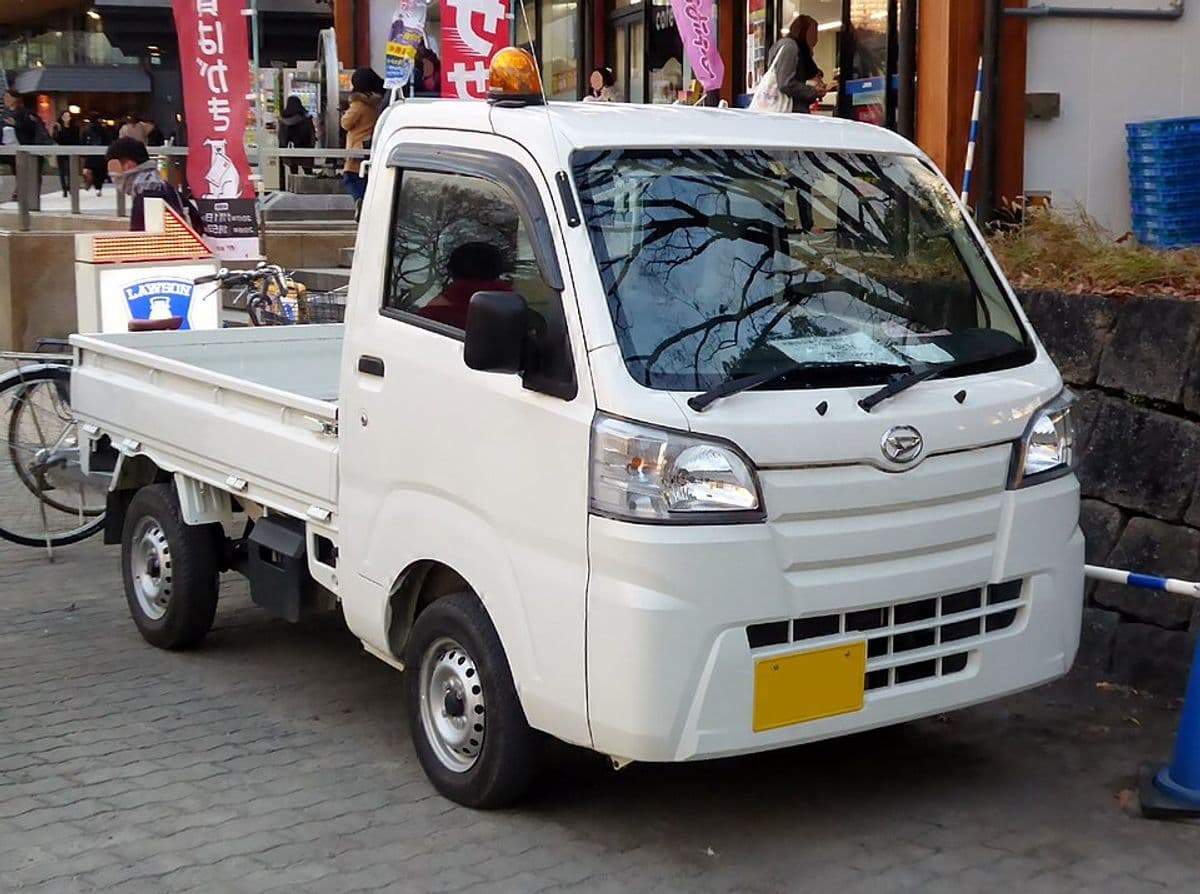
Daihatsu Hijet
1960-Present
Salt air on every island, tropical heat year round, and short island distances suit the Hijet. Strongest factory AC in kei, simple driveline that tolerates humid corrosion better than Honda valvetrains, and parts ship from West Coast importers in days. If your county signs off, the Hijet is the Hawaii kei truck.
Why "unclear" is the right answer for Hawaii
Registration runs through the counties and outcomes split. Hawaii County and Maui County publish that imported vehicles not certified to FMVSS may not be registered under HRS 286-42, while Honolulu and Kauai route unusual vehicles through case by case inspector review. Call your county motor vehicle office and get written confirmation before shipping a kei truck to the islands.