Daihatsu Hijet: Complete Guide
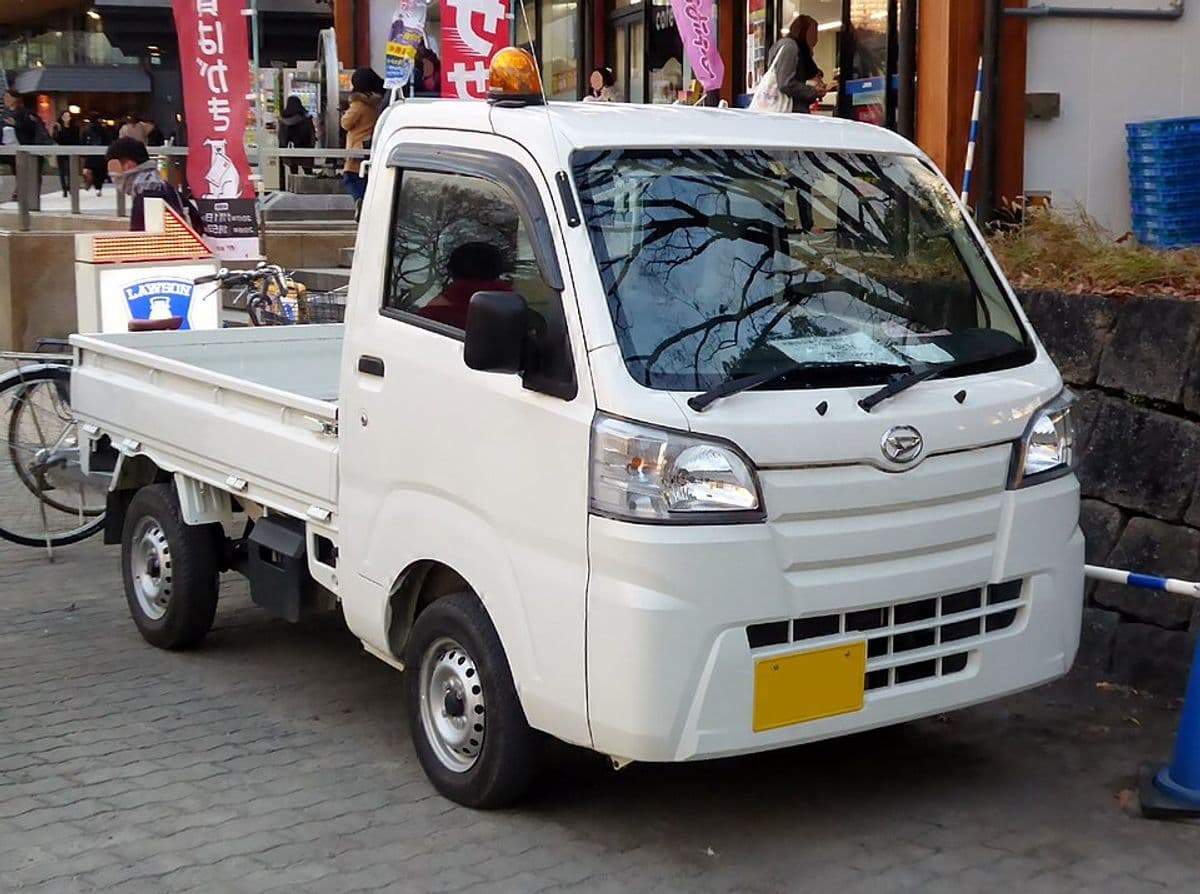
Overview & History
The Daihatsu Hijet is the longest-running kei truck nameplate in existence. First introduced in 1960, it predates even the Suzuki Carry and has been in continuous production for over six decades. Now in its eleventh generation, the Hijet is a cornerstone of Japan's light commercial vehicle market and has earned a loyal following among American importers. If you are new to this vehicle class, our guide on what a kei truck actually is is a good starting point.
Daihatsu, a subsidiary of Toyota since 1967 and fully absorbed in 2016, has always positioned the Hijet as a workhorse first vehicle. The company's kei truck heritage stretches even further back than the Hijet itself, with the original three wheeled Daihatsu Midget II representing one of the most radical approaches to kei commercial vehicles ever built. The engineering emphasis is on durability, payload capability, and low running costs. The Toyota connection is relevant for US buyers because it means some Hijet components share part numbers with Toyota vehicles, potentially simplifying sourcing for certain maintenance items. That partnership is also shaping the Hijet's future. Toyota and Daihatsu recently co-developed electric kei vans launching in Japan in 2026, a strong signal that the Hijet platform has a long road ahead, and Daihatsu backed that up with a 2026 Hijet upgrade that adds modern safety tech and refreshed styling.
The most commonly imported generations for the US market are the seventh generation (S80 to S83, 1986-1994), the eighth generation (S100/S110, 1994-1999), and the ninth generation (S200/S210, 1999-2014). These trucks are powered by Daihatsu's EF-series and later KF-series three cylinder engines, both known for their robust construction and straightforward maintenance requirements. To be eligible for import, a vehicle must meet the requirements of the 25-year import rule, which is why the 1990s models dominate US inventory.
Daihatsu also produces the Daihatsu Atrai, the passenger van version of the Hijet platform, which shares the same engine and drivetrain in a fully enclosed body designed for people rather than cargo. The Hijet also has the distinction of being one of the few kei trucks offered with a factory jumbo cab option, which extends the cabin roof rearward for additional headroom and a more comfortable seating position. The jumbo cab models are highly sought after by taller American buyers, and we cover the layout in detail in our Hijet Jumbo extended cab review. If you need rear seats instead of headroom, the Deck Van is a Hijet van with the back cut off into a four seat truck, and our Hijet Deck Van buying guide covers the chassis codes and which years you can import. All Hijet generations conform to Japan's kei vehicle regulations, which cap engine displacement at 660cc and overall dimensions at strict maximums.
Specifications
The ninth generation Hijet uses the EF-SE engine, a 659cc SOHC three cylinder producing 38-42 horsepower in naturally aspirated form. Turbocharged EF-DET variants push output to the kei class maximum of 64 horsepower. The tenth generation switched to the more modern KF-VE engine, a 658cc DOHC unit with variable valve timing (DVVT) that produces 48-53 horsepower naturally aspirated.
The Hijet uses a front engine layout with the powerplant mounted under the driver's seat, similar to the Suzuki Carry and Subaru Sambar (pre-2012). The 4WD system is a part time setup with a manually engaged transfer case and selectable low range.
- Engine: 659cc EF-SE (SOHC) or 658cc KF-VE (DOHC) 3-cylinder
- Power: 38-53 hp (NA), up to 64 hp (turbo)
- Torque: 42-48 lb-ft
- Transmission: 5-speed manual, 4-speed automatic, or CVT (later models)
- Drivetrain: RWD or part time 4WD with low range
- Payload capacity: 770 lbs (350 kg)
- Bed dimensions: Approximately 78" L x 54" W (standard cab), 72" L x 54" W (jumbo cab)
- Curb weight: ~1,550-1,750 lbs
- Fuel economy: About 30 mpg real world (37.6 mpg on the 1999 S210P Japanese rating), as our kei truck MPG breakdown explains
- Wheelbase: 74.8"
The Hijet's bed is marginally larger than most competitors in standard cab form, and the tailgate drops flat to extend the usable loading surface. Three way opening gates (sides and rear) were available on higher trim levels.
Pros & Cons
Pros
- Toyota parts network: Daihatsu's Toyota ownership means some components are cross referenced in Toyota's global parts system, improving availability. The Hijet is also sold as the Toyota Pixis, so parts cataloged under either name are interchangeable. Kei truck parts suppliers also stock a wide range of Hijet specific components.
- Jumbo cab option: The extended cab provides meaningfully more headroom and a less cramped seating position, a genuine advantage for taller drivers.
- Turbo availability: Factory turbo EF-DET models are readily available and offer the full 64 hp kei maximum.
- Proven reliability: EF and KF engines are used across Daihatsu's entire lineup, meaning extensive real world service data exists.
- Value: Hijets typically cost slightly less than equivalent Honda Acties and are competitively priced with Suzuki Carries. The Hijet is a particularly strong choice for farm operations thanks to its turbo option and dump bed availability. The current generation offers 26 factory configurations including four types of dump trucks and five refrigerated variants.
- Easy to source: Importers like Duncan Imports regularly have Hijets in stock, making them one of the more accessible kei trucks for first time buyers.
Cons
- Brand recognition: Daihatsu is less well known in the US than Honda or Suzuki, which can affect resale value and buyer confidence.
- Electrical gremlins: Older EF-SE models have a reputation for occasional electrical issues, particularly with alternators and ignition switches.
- Cab heat: The under seat engine placement means significant heat transfer into the cab during summer driving. Insulation upgrades are common.
- Aftermarket size: While growing, the Hijet aftermarket is smaller than the Carry's. Fewer off the shelf lift kits and accessories are available.
- CVT concerns (later models): The CVT transmission offered on some tenth generation models is less durable than the manual transmission and can be expensive to repair.
Common Modifications
For a broader look at off road focused builds, see our guide to the best kei truck mods for off road use.
- Lift kits: 2-3 inch lift kits are available from suppliers like Kei Truck Garage. The Hijet's front suspension geometry responds well to moderate lifts. A Daihatsu Hijet 2 inch lift kit runs $350 to $500. For an extreme example of where this can go, JDub Adventures' 30 inch tire Hijet build runs a 4.5 inch lift with fender surgery, which is well past the sane ceiling for a daily driver.
- Jumbo cab conversion: Some owners retrofit jumbo cab roofs onto standard cab trucks for the added headroom, though this is a complex modification.
- Turbo swap (EF-DET): Swapping a turbo EF-DET engine into a naturally aspirated Hijet is a well documented procedure and one of the most popular power modifications.
- Tire upgrades: Moving from stock 12 inch to 13 inch all terrain tires with a mild lift. Popular choices include the Yokohama Geolandar in 145/80R13, and our kei truck tire guide has the Hijet's exact stock sizes and the best upgrade paths. A set of all terrain tires in 145/80R12 runs $180 to $280 for four.
- EV conversion: The Hijet's ladder frame and manageable curb weight make it a strong candidate for electric conversions. A high school auto shop class recently built a 127 HP EV Hijet using a Hyper 9 motor and Tesla battery modules, proving the swap is approachable enough for students to complete.
- Cab insulation: Adding thermal barrier material between the engine compartment and the cab floor significantly reduces heat soak.
- LED conversion: Headlight and taillight LED conversions improve visibility and reduce electrical load. An LED headlight conversion (H4) runs $40 to $80.
- Bed liner: Spray in or drop in bed liners protect the steel bed from corrosion and cargo damage. A spray in bed liner kit runs $80 to $150 on Amazon.
Known Issues & Maintenance Tips
Before purchasing any Hijet, review our pre purchase inspection checklist to know exactly what to look for. For ongoing maintenance, our kei truck parts sourcing guide covers where to find what you need.
- EF-SE head gasket: The EF-SE engine is known for head gasket failures, particularly on higher mileage examples or trucks that have been overheated. Monitor coolant levels closely and address any coolant loss immediately.
- Alternator failures: The stock alternator on ninth generation models is undersized and prone to failure, especially if aftermarket electrical accessories have been added. An upgraded alternator is a worthwhile preventive investment.
- Rust inspection points: Check the frame rails behind the front wheels, the cab floor (especially around the engine access panel), bed floor, and wheel arches. Daihatsu's rust proofing quality varied by production year.
- Timing belt: The EF-SE is an interference engine. Replace the timing belt, water pump, and tensioner as a kit every 100,000 km. Do not defer this service. OEM parts suppliers carry genuine Daihatsu timing belt kits. A Daihatsu EF-SE timing belt kit with water pump runs $90 to $130.
- Throttle body cleaning (KF engine): KF-VE engines with electronic throttle bodies develop carbon buildup that causes rough idle. Clean the throttle body every 30,000 km.
- Transmission oil: The manual transmission oil is often neglected. Change it every 40,000 km with 75W-90 gear oil.
- Oil capacity: EF-SE holds approximately 2.7 liters; KF-VE holds approximately 2.9 liters. Use 5W-30 and change every 5,000 km. A 5 quart jug of 5W-30 synthetic runs $25 to $35 on Amazon.
Use parts diagrams on Megazip to identify correct part numbers before ordering, especially for engine internals and body panels where multiple variants exist across chassis codes.
Price Guide
Daihatsu Hijets are competitively priced and often represent good value in the kei truck market. For context on how kei trucks compare to domestic alternatives, see our kei truck vs. pickup comparison.
- 1990-1998 standard cab (2WD): $5,500 - $7,500
- 1990-1998 standard cab (4WD, good condition): $7,500 - $10,500
- 1990-1998 jumbo cab (4WD): $9,000 - $12,000
- 1999-2001 models (4WD, low mileage): $11,000 - $16,000
- Turbo EF-DET models: Add $1,500 - $3,000 premium
- Dump bed equipped: Add $2,000 - $4,000 premium
Jumbo cab and turbo models command meaningful premiums. Budget buyers should target standard cab, naturally aspirated 2WD models from the early 1990s. For a detailed head to head with its closest competitor, see our Carry vs Hijet comparison.
Prices fluctuate with supply and seasonal demand. Cross-reference asking prices with Hagerty's valuation tools and recent auction results on Bring a Trailer to confirm you are paying a fair market rate.
Insurance
Insuring a kei truck in the US can be straightforward, but coverage options vary significantly by state. Many standard auto insurers are unfamiliar with kei vehicles and may decline to write a policy or classify them incorrectly. Check our state by state legality and registration guide to understand the rules in your area before purchasing.
Specialty insurers tend to offer the best coverage for kei trucks. Hagerty is widely used by kei truck owners for agreed value policies, which protect against depreciation disputes in the event of a total loss. Agreed value coverage is especially important for clean, low mileage, or modified examples where replacement cost exceeds standard book values. Our kei truck insurance guide breaks down rates, providers, and policy types in detail.
For real world advice on insurance carriers, coverage limits, and what other owners are paying, the r/keitruck community on Reddit maintains active discussion threads on the topic. Expect to pay between $150 and $500 per year for a kei truck policy, depending on your state, usage type (farm, pleasure, or daily driver), and coverage level.
Where to Buy
- Import specialists: Duncan Imports, Kei Truck USA, Japanese Classics, and Mighty Minis regularly stock Hijets. The Hijet is one of the easier models to source due to its high production volume in Japan. Browse our dealer directory for additional importers near you.
- Domestic resale: Facebook Marketplace groups dedicated to kei trucks are the best secondary market. Search "Daihatsu Hijet" or "kei truck" in your region.
- Direct import: Daihatsu Hijets are plentiful at Japanese auctions. Chassis codes to search for: S80, S81, S82, S83 (ninth gen), S200, S210 (tenth gen). Goo-net Exchange is a useful tool for browsing Japanese dealer inventory before committing to an auction purchase. For a full walkthrough of the import process, see our how to import a kei truck guide.
- Dealer networks: Small kei truck dealerships are sprouting across the rural US, particularly in the South and Pacific Northwest, and often carry Hijets in inventory.
When purchasing, prioritize trucks with documented maintenance history and request a cooling system pressure test to rule out the EF-SE head gasket issue before committing.
Frequently Asked Questions
Frequently Asked Questions
Advertisement
Done Reading? Next Moves
Find verified dealers with Daihatsu Hijet inventory, or see how it stacks up against the alternatives.
Prices and Availability Change Weekly
Get new model guides, maintenance tips, and kei truck buying news. One email a week.
Related Articles

2026 Daihatsu Hijet Upgrade: Smart Assist Gets Smarter After the Scandal
Daihatsu just upgraded the Hijet Truck with expanded Smart Assist safety tech and standard LED headlights. After a certification scandal that shut down production for months, this is more than a spec bump. It is a statement.

Best Kei Trucks to Import in 2026: The Fuel Injected Generation Has Arrived
2001 model year kei trucks are now import eligible, and they are the best generation yet. Fuel injection, power steering, AC, and timing chains. Here is every model worth buying at auction right now.

Daihatsu Copen Production Ends This Week: Japan Just Lost Its Last Kei Sports Car
Daihatsu ends Copen production at the end of August 2026 after 24 years and roughly 110,000 cars. The last kei sports car in production is gone. Here is why it died, what happens at the August 31 farewell, and why the original L880K suddenly matters to American importers.