Honda Acty: Complete Guide
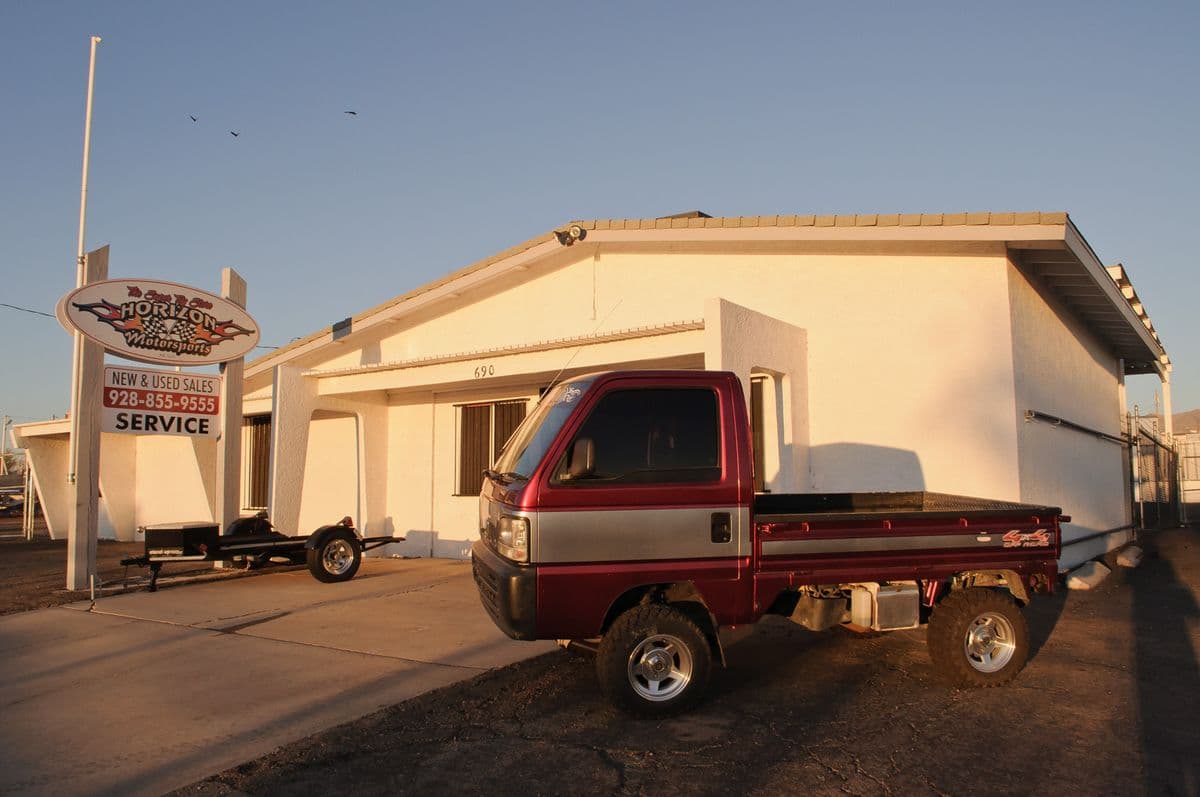
Overview & History
The Honda Acty holds a special place in the kei truck world as the engineer's choice. Produced from 1977 to 2021, the Acty is distinguished by one standout engineering decision: a mid engine, rear wheel drive layout. While every other kei truck manufacturer placed the engine under the front seats, Honda mounted the Acty's engine under the bed, behind the cab. This configuration gives the Acty superior weight distribution, better traction when loaded, and a notably smoother ride compared to its competitors.
Honda introduced the first generation Acty (TN) in 1977. The second generation (HA1/HA2) arrived in 1983, and the third generation (HA3/HA4) launched in 1990 with the then new 660cc displacement regulations. The fourth and final generation (HA6/HA7) debuted in 1999 and remained in production until Honda officially discontinued the Acty in 2021, citing declining domestic sales and difficulty meeting modern emissions standards cost effectively. The Acty even got its moment in the global spotlight when Red Bull Racing put F1 drivers Max Verstappen and Yuki Tsunoda behind the wheel of Acty kei trucks for a Japanese game show style competition ahead of the Japanese Grand Prix.
Honda also produced the Honda Vamos, a kei van based on the Acty platform that shares its mid engine layout and drivetrain. The Vamos is a popular choice for camper builds and van life conversions. When Honda discontinued the Acty Van in 2018, its commercial role was taken over by the Honda N-Van, a modern kei van with a front engine layout and a completely flat cargo floor. The most commonly imported Acty models in the US are the third generation HA3/HA4 (1990-1999) trucks. These are the models that have cleared or are clearing the 25-year import rule, and they represent the sweet spot of Honda's kei truck engineering: reliable E07A engines, available four wheel drive, and a refined driving experience that surprises first time owners. For a broader introduction to these vehicles, see our beginner's guide to kei trucks.
Specifications
The third generation Honda Acty is powered by the E07A engine, a 656cc SOHC three cylinder that produces 40-45 horsepower. The fourth generation models use the slightly updated E07Z with fuel injection, which produces 45-48 horsepower. For a detailed breakdown of what changed between the HA4 and HA7 generations, see our HA7 vs HA4 comparison. Both are naturally aspirated, as Honda never offered a factory turbocharged Acty truck (though turbo versions existed for the Acty van).
The mid engine layout means the powerplant sits between the cab and the rear axle, under the bed floor. This provides a roughly 45/55 front to rear weight distribution when unladen, which improves to near 40/60 with a full payload, putting more weight over the driven wheels.
- Engine: 656cc E07A (SOHC) or E07Z 3-cylinder
- Power: 40-48 hp
- Torque: 38-44 lb-ft
- Transmission: 5-speed manual or 3-speed automatic
- Drivetrain: RWD or real time 4WD
- Payload capacity: 770 lbs (350 kg)
- Bed dimensions: Approximately 77" L x 53" W
- Curb weight: ~1,600-1,800 lbs
- Fuel economy: About 30 mpg real world, with one measured 39 mpg in a 1995 Acty at about 55 mph, as our kei truck MPG breakdown explains
- Wheelbase: 73.8"
Honda's real time 4WD system on the Acty is a viscous coupling design that automatically distributes power to the front wheels when rear wheel slip is detected. This differs from the manual engagement part time 4WD systems found on the Suzuki Carry and other kei trucks. Some buyers prefer the simplicity of Honda's approach; others prefer the manual control offered by competitors.
Pros & Cons
Pros
- Mid engine layout: Better traction, more balanced handling, and reduced cabin vibration compared to under seat engine designs. This is the Acty's signature advantage, and it makes the Acty a standout choice for farm use.
- Honda build quality: Fit and finish are a step above most competitors. The Acty feels like a Honda in the best ways.
- Ride quality: The mid engine placement and Honda's suspension tuning give the Acty a noticeably smoother ride, which is a real factor if you're considering daily driving a kei truck.
- Engine reliability: The E07A is a well proven engine with a reputation for going well past 200,000 km with proper maintenance.
- Real time 4WD: Automatic engagement means less driver management in slippery conditions.
Cons
- Engine access: The mid engine layout means accessing the engine requires removing bed panels or crawling underneath. Routine maintenance is harder than on front engine kei trucks like the Daihatsu Hijet.
- Price premium: Acties command a $1,000-$3,000 premium over equivalent Suzuki Carries due to lower production numbers and the Honda badge.
- No factory turbo (truck): Unlike the Carry and Hijet, there is no factory turbocharged Acty truck. Power hungry buyers must look elsewhere or go aftermarket. Honda reserved turbo power for its kei sports cars like the Honda S660.
- Parts availability: While Honda parts quality is excellent, the Acty specific parts network is smaller than Suzuki's. Some components require ordering from Japan.
- Automatic 4WD: The viscous coupling system cannot be locked or manually engaged, which limits control in deep mud or snow situations where manual engagement is preferred.
Common Modifications
- Lift kits: 2-3 inch lift kits are available, though the selection is smaller than for the Carry. The mid engine layout requires attention to driveline angles when lifting. A Honda Acty 2 inch lift kit runs $400 to $600.
- Exhaust headers: Aftermarket headers can free up a few horsepower and improve throttle response on the naturally aspirated E07A.
- Tires: Upgrading to 13 inch all terrain tires is the single most impactful modification. The stock 12 inch tires are narrow and road focused. See our kei truck tire guide for the Acty's exact stock sizes and best upgrade options. A set of all terrain tires in 145/80R12 runs $180 to $280 for four.
- LED lighting upgrades: Same as all kei trucks, the stock headlights benefit enormously from LED conversion. An LED headlight conversion (H4) runs $40 to $80.
- Sound deadening: The mid engine layout makes the bed floor warm and vibrates at certain RPMs. Adding sound deadening material under the bed improves comfort.
- Auxiliary cooling: In hot climates or under heavy load, adding an auxiliary oil cooler or upgrading the radiator can prevent overheating, especially given the engine's enclosed position.
For a complete guide to off road modifications, see our best kei truck mods guide. For aesthetic builds, Wildflower Autoworks' Acty vs Carry widebody comparison covers how the HA4's mid engine layout, wider cabin, and Hello Special body kit support stack up against the Carry as a build platform.
Known Issues & Maintenance Tips
- Distributor O ring leak: The E07A distributor has an O ring that hardens with age and leaks oil. This is an easy and cheap fix but should be addressed promptly to prevent distributor damage. Genuine Honda O rings are available from OEM parts suppliers.
- Valve adjustment: The E07A uses mechanical valve lifters that require periodic adjustment (every 40,000 km). Neglecting this leads to poor idle, reduced power, and eventual valve damage.
- Exhaust manifold cracks: The factory exhaust manifold on E07A engines is prone to cracking, particularly on higher mileage examples. Aftermarket replacements are available through kei truck parts suppliers.
- Rust (same as all kei trucks): Inspect the frame rails, bed floor (especially around the engine access panel), and cab mounts. The Acty's bed floor is particularly vulnerable due to heat from the engine below. See our pre purchase inspection guide for detailed rust checks.
- Starter motor access: The mid engine layout places the starter in an awkward position. Budget extra labor time if a starter replacement is needed.
- Coolant system: Flush the coolant and inspect all hoses at purchase. The routing is longer than on front engine trucks due to the mid mount layout, and aged hoses can fail in hard to see locations.
- Oil capacity: The E07A holds approximately 2.7 liters. Use 5W-30 or 10W-30 and change every 5,000 km. A 5 quart jug of 5W-30 synthetic runs $25 to $35 on Amazon.
Use parts diagrams on Megazip to identify correct part numbers before ordering.
Price Guide
Honda Acties command a premium over Suzuki Carries due to the Honda reputation and the unique mid engine layout. Track current market values and recent auction results for the latest pricing data.
- 1990-1998 models (2WD, higher mileage): $6,000 - $9,000
- 1990-1998 models (4WD, good condition): $9,000 - $13,000
- 1999-2001 models (4WD, low mileage): $13,000 - $18,000
- Rare SDX trim or dump bed models: Add $2,000 - $4,000 premium
The Acty's discontinuation in 2021 has created a scarcity premium, particularly for later models. Expect prices to continue rising as no new units will enter the market. For a cost comparison with full size trucks, see our kei truck vs pickup analysis. For head to head comparisons with specific competitors, see our Carry vs Acty and Acty vs Sambar breakdowns.
Insurance
Hagerty is the most popular choice for insuring Honda Acties, offering agreed value policies that protect your investment. Their familiarity with collector and specialty vehicles makes the process straightforward. Standard carriers occasionally write Acty policies, but expect more pushback than with mainstream vehicles. For a full breakdown of costs, providers, and policy types, see our kei truck insurance guide.
The kei truck community on Reddit maintains active threads on which insurers are currently writing policies in each state. Check our state by state legality guide to verify road use registration is available where you live.
Where to Buy
- Specialist importers: Japanese Classics and Duncan Imports regularly stock Acty trucks. Because of the Honda premium, selection may be smaller than for Carries.
- Honda enthusiast networks: The Honda kei truck community is tight knit. Forums and Facebook groups dedicated to Acty ownership often have private sale listings before trucks hit the open market.
- Direct auction import: Browse Japanese inventory on Goo-net Exchange or use auction services to search for chassis codes HA3, HA4, HA6, or HA7. For a full walkthrough of the import process, see our complete import guide.
- Domestic resale: Already imported Acties appear regularly on Facebook Marketplace, Craigslist, and occasionally Bring a Trailer.
Browse our dealer directory to find Honda Acty inventory near you.
For build inspiration, watch Rich Rebuilds put ATV tracks and a solar camper on an Acty for $1,100, or see the Acty road trip across America for long distance capability. When buying an Acty, pay special attention to the bed floor condition (heat damage from the engine below) and request a valve lash check as part of the pre purchase inspection. See our 5 things to check before buying for a complete checklist.
Frequently Asked Questions
Frequently Asked Questions
Advertisement
Done Reading? Next Moves
Find verified dealers with Honda Acty inventory, or see how it stacks up against the alternatives.
Prices and Availability Change Weekly
Get new model guides, maintenance tips, and kei truck buying news. One email a week.
Related Articles

Best Kei Trucks to Import in 2026: The Fuel Injected Generation Has Arrived
2001 model year kei trucks are now import eligible, and they are the best generation yet. Fuel injection, power steering, AC, and timing chains. Here is every model worth buying at auction right now.

Honda Acty vs Subaru Sambar: Which Kei Truck Should You Buy?
The two most unique kei trucks go head to head. Honda's mid engine Acty versus Subaru's supercharged four cylinder Sambar. We compare specs, pricing, and which one deserves your money.

How Long Do Kei Trucks Last? The Real World Lifespan Guide
Most kei trucks come into the US with the calendar already against them. Twenty five years on the clock, an unknown service history, and a 660cc engine that has spent a previous life hauling rice bags. Here is what their lifespan actually looks like and how to push yours past 200,000 miles.