Kei Truck Winter Guide: Heater Fixes and Cold Starts
Your kei truck was built for mild Japanese winters, not Minnesota. Here's how to fix the heater, winterize the engine, and survive cold weather in a 660cc mini truck.

Advertisement
TL;DR: Most kei truck heater problems come down to three things: a stuck or disconnected heater cable, a thermostat stuck open, or air trapped in the cooling system. For cold starts below 15F, install a freeze plug block heater ($25 to $40) and switch to 5W-30 oil. Flush and fill with 50/50 ethylene glycol coolant rated to -34F. Budget $50 to $200 for a full winterization depending on what your truck needs.
It is 6 AM in January, negative 10 outside, and you are sitting in a Suzuki Carry that has been running for fifteen minutes. The temperature gauge has barely moved. The heater is blowing air that could generously be described as "not freezing." Your windshield is still fogged. You are questioning every decision that led to this moment.
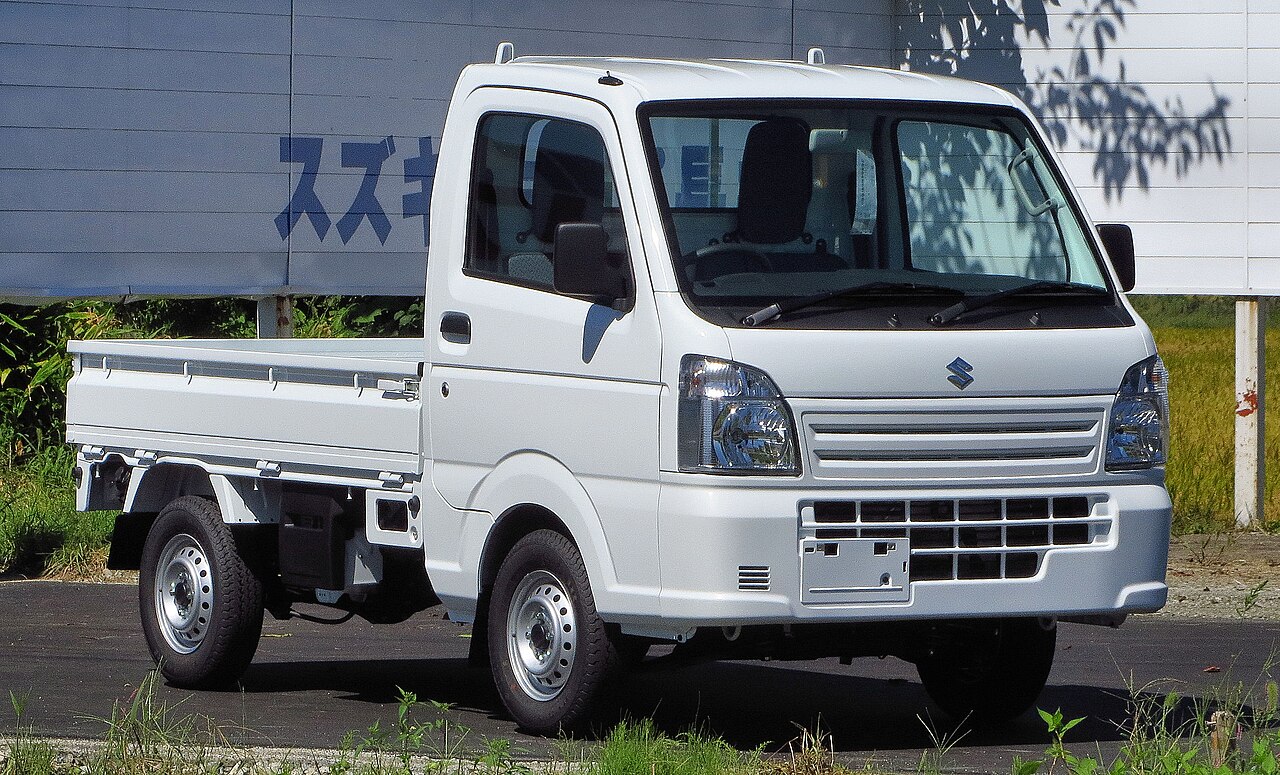
This is the reality for a lot of kei truck owners in northern climates. These trucks were engineered for Japanese winters, which means Osaka, not Ontario. The 660cc three cylinder engines produce less waste heat than a full size motor, the heater cores are tiny, and the factory thermostats are tuned for a climate where 20F counts as brutally cold. None of that means your kei truck cannot handle real winter. It just means you need to address a few things the factory never planned for.
Why Your Kei Truck Heater Blows Cold Air
Before you spend money on parts, understand the system. Kei truck heaters are simple: hot engine coolant flows through a small heater core behind the dashboard, and a blower fan pushes air across it into the cab. A cable operated valve or blend door controls how much hot coolant reaches the core. That is it. No fancy climate control, no blend door actuators, no dual zone anything. Simple is good because it means you can diagnose most problems yourself.
The Heater Cable Problem (Most Common)
The single most common cause of a kei truck heater blowing cold air is the heater cable. On the Suzuki Carry DD51T and DB51T, there is a cable running from the temperature lever on the dash down to the heater valve on the firewall. Over time, the cable stretches, the retaining clip loosens, or the cable simply pops off the lever arm on the heater box. When this happens, the valve stays closed regardless of where you set the temperature knob.
Here is how to check it:
- Locate the heater valve on the firewall (passenger side on most Carrys)
- Have someone move the temperature lever from cold to hot while you watch the valve
- If the valve arm does not move, the cable is disconnected or broken
The fix is usually free. On the Carry, look under the dash directly above the accelerator pedal. The cable attaches to a small lever arm on the heater box with a metal clip. If the clip is missing, the cable slides freely inside its sheath and nothing moves. A replacement clip costs under $5, or you can fabricate one from a small hose clamp. The Suzuki Forums have detailed walkthroughs with photos for the DD51T and DC51T chassis.
On the Honda Acty, the cable routing is different because the engine is mid mounted. The heater hoses run a longer path, and the cable connects at the rear firewall. Same principle though: if the lever moves but nothing happens at the valve, the cable is your culprit.
Stuck Thermostat (Second Most Common)
The thermostat regulates coolant temperature by blocking flow to the radiator until the engine warms up. If it sticks open, coolant circulates through the radiator constantly, and the engine never reaches operating temperature. In mild weather you might not notice. In winter, it means your heater never gets hot enough to matter.
Symptoms of a stuck open thermostat:
- Temperature gauge stays below the normal range even after 10 to 15 minutes of driving
- Heater blows warm but never hot
- Fuel economy drops (the ECU runs rich when the engine is cold)
A replacement thermostat for most kei trucks costs $8 to $20. On the Carry F6A engine, it is located on the front of the block where the upper radiator hose connects. On the Acty E07A, it is at the rear of the engine. The Subaru Sambar EN07 engine has it on the side of the block near the water pump. All are straightforward replacements that take 30 to 60 minutes with basic tools.
Factory thermostat opening temperature is typically 82C (180F) for most 660cc kei engines. Some owners in cold climates run a 88C (190F) thermostat for faster warm up and hotter heater output. This is a common and safe modification as long as your cooling system is in good shape.
A Gates thermostat runs $12 to $18 on Amazon.
Clogged Heater Core
If the cable is working and the thermostat is good but you are still getting weak heat, the heater core itself may be partially clogged. This is common in trucks that sat for years in Japan with old coolant. Mineral deposits and corrosion restrict flow through the tiny passages in the core.
Test it by feeling both heater hoses at the firewall with the engine at operating temperature. Both should be hot. If the inlet hose is hot but the outlet is lukewarm or cold, the core is restricted.
You can try a flush first. Disconnect both heater hoses and run a garden hose through the core in reverse direction. For stubborn clogs, a heater core flush kit with citric acid solution works well. If flushing does not restore flow, replacement cores are available through Amayama and Megazip for $40 to $80 depending on the model. Check the parts sourcing guide for more options on finding OEM Japanese parts.
A Prestone heater core flush kit runs about $8 on Amazon or AutoZone.
Air in the Cooling System
After any coolant work, or if the system has a slow leak, air pockets can form that prevent coolant from circulating through the heater core. The Daihatsu Hijet is particularly notorious for this because of its long coolant hose routing. Symptoms include intermittent heat (warm for a minute, then cold, then warm again) and a gurgling sound behind the dashboard.
Bleeding the system properly is critical. Most kei trucks do not have a dedicated bleed valve. The standard method is to park the truck on an incline with the front end elevated, remove the radiator cap, run the engine at idle with the heater on full hot, and let it burp air until the coolant level stabilizes. Top off as needed. This can take 15 to 20 minutes of patient idling.
Cold Start Solutions for Extreme Weather
A 660cc engine produces about half the displacement of a Honda Civic. That means less compression, less friction heat, and a harder time turning over in extreme cold. Here is how to make cold mornings less painful.
Install a Block Heater
This is the single best investment for any kei truck owner in a cold climate. A freeze plug block heater replaces one of the soft plugs (freeze plugs) in the engine block with a heated element that plugs into a standard 120V outlet. It keeps the coolant warm overnight so the engine starts easily and the heater blows hot air within minutes.
For the Suzuki Carry 660cc engines (F6A and K6A), the most commonly used size is a 1.5 inch (38mm) freeze plug heater. The MiniTruckTalk freeze plug thread documents a Carry owner in Alaska who installed a Kat's brand heater with good results. The plug location varies by engine: on the F6A, the accessible freeze plug is on the transmission side of the block.
For the Hijet EF series engines and the Sambar EN07, the freeze plug sizes differ. Measure yours before ordering. A digital caliper on the existing plug gives you the exact diameter you need.
The Kat's 11410 (1.5 inch) runs $25 to $35 on Amazon. If your engine takes the smaller size, the Kat's 11414 (1.25 inch) is the same price range.
Alternative: magnetic oil pan heater. If you cannot access a freeze plug easily (the Acty mid engine layout makes this awkward), a magnetic pad heater that sticks to the oil pan is a solid backup. It does not heat coolant directly, but warm oil means less resistance on the starter and faster warm up overall. Owners on MiniTruckTalk report good results with this approach in the minus 20F range.
A Kat's magnetic oil pan heater runs $30 to $50 on Amazon.
When to plug in. You do not need to run a block heater all night. Two to four hours before you plan to start the truck is plenty. A simple outdoor timer on the outlet saves electricity and extends the heater's lifespan. Plug in when temperatures drop below 15F (-10C). Below 0F (-18C), the block heater goes from "nice to have" to "essential."
Switch to Winter Weight Oil
Most kei truck owner's manuals specify 10W-30 for normal conditions. In winter, switching to 5W-30 makes a noticeable difference in how easily the engine cranks over. The lower cold viscosity rating means the oil flows faster at startup, reducing the load on your starter motor and battery.
Some owners in extreme cold (below minus 20F) run 0W-30 or even 0W-20. This is fine for winter use as long as you switch back to the manufacturer's recommended weight when temperatures warm up. The 660cc engines have tight tolerances, and running oil that is too thin year round can increase wear. Consult the kei car oil change guide at YourMotorCare for model specific recommendations.
A 5 quart jug of Mobil 1 5W-30 full synthetic runs about $28 on Amazon.
Battery Maintenance
Cold weather is brutal on batteries, and kei trucks already run smaller batteries than full size vehicles. A typical kei truck battery is a Group 51R or equivalent, rated around 325 to 400 cold cranking amps. At 0F, a battery loses roughly 60% of its cranking power. Combined with the thicker oil resistance, a marginal battery that worked fine in October will leave you stranded in January.
- Test your battery before winter. Any auto parts store will do this for free
- Clean the terminals with a wire brush and apply dielectric grease
- If the battery is more than three years old and tests borderline, replace it before the first hard freeze
- A trickle charger (1 to 2 amp) plugged in alongside the block heater keeps the battery topped off
A Battery Tender Junior runs about $25 on Amazon.
Full Winterization Checklist
Beyond the heater and cold start fixes, here is everything you should address before the first freeze. Think of this as your maintenance guide winter supplement.
Coolant: Flush and Fill
Japanese trucks often arrive in the US with coolant that has not been changed in years. Old coolant loses its freeze protection and corrosion inhibitors. Flush the system and fill with a 50/50 mix of ethylene glycol coolant and distilled water. This provides protection down to approximately minus 34F (-37C).
Coolant type matters. Suzuki specifies Long Life Coolant (green) or Super Long Life Coolant (blue) for the Carry. Daihatsu and Subaru models typically use red or pink long life coolant. In practice, any quality ethylene glycol based coolant (not Dex-Cool, not the orange stuff) works fine in these engines. The MiniTruckTalk antifreeze thread has a long discussion on compatibility. Capacity is small: most kei truck cooling systems hold 3 to 4 liters total.
Never use straight water or a weak coolant mix. A kei truck engine block cracked by frozen coolant is a $1,500+ problem. If you are unsure of your current coolant's freeze point, a $5 antifreeze tester from any auto parts store tells you instantly.
A gallon of Zerex Asian Vehicle coolant runs about $18 on Amazon or AutoZone.
Tires
All season tires in mild winter conditions work fine. Anything below 25F with regular snow, and you want dedicated winter tires or at minimum good all terrain tires with the three peak mountain snowflake rating. The 12 inch wheels on most kei trucks limit your options, but they exist. Check the kei truck tires guide for specific sizes and recommendations by model.
Tire pressure drops about 1 PSI for every 10 degree drop in temperature. If you set your tires to 28 PSI in September and it is now 40 degrees colder, you are running 24 PSI. That is enough to affect handling, wear, and fuel economy. Check pressures monthly through winter.
Windshield and Wipers
Factory kei truck wiper blades are small and often hard to find in US auto parts stores. Measure the blade length (most are 350mm to 400mm) and order replacements from Amayama or pick up universal J-hook blades at any auto parts store and trim to fit. Switch to winter beam blades that resist ice buildup.
Washer fluid should be rated to at least minus 20F. The washer fluid reservoir on most kei trucks is tiny (about 1 liter), so carry a spare jug in the cab during winter months. Road salt and grime will have you spraying constantly.
Rust Prevention
Salt is the enemy. Kei trucks are already prone to rust because many spent 25 years on Japanese roads where they use calcium chloride deicing. Adding North American road salt accelerates the problem dramatically. If you have not already, read the full rust prevention guide for a deep dive on products and technique. Before winter:
- Wash the undercarriage thoroughly
- Apply a rust preventive coating (Fluid Film, NH Oil Undercoating, or Woolwax) to the frame, suspension, bed floor, and cab mounts
- Pay special attention to the cab corners, rocker panels, and bed seams
- Repeat the undercoating application mid winter if you are driving on salted roads regularly
The r/keitruck community on Reddit is full of cautionary tales about trucks that looked solid but had frames rotted through underneath. An ounce of prevention here saves thousands in structural repair later.
A Fluid Film 6 pack runs about $60 on Amazon.
Fuel System
Condensation forms inside a partially empty fuel tank when temperatures swing between day and night. That moisture can freeze in fuel lines and cause hard starting or stalling. Keep the tank above half full during winter. A bottle of gas line antifreeze (HEET or equivalent) once a month provides cheap insurance.
Carbureted kei trucks (pre-1999 models) are more susceptible to fuel icing than fuel injected models. If you are running a carbureted Carry or Hijet, a properly adjusted choke is critical for cold starts. The choke should be fully closed when the engine is cold and gradually open as it warms. If the automatic choke is not functioning correctly, you will be fighting hard starts all winter.
Model Specific Winter Notes
Suzuki Carry (DD51T, DB51T, DA63T): The heater cable issue described above is overwhelmingly a Carry problem. Check it first. The F6A engine warms up relatively quickly compared to other kei engines. The K6A (post-1999) is fuel injected and starts well in cold weather if the battery and spark plugs are in good shape.
Honda Acty (HA3, HA4): The mid engine layout means longer coolant hose runs to the front mounted heater core. This makes air bleeding critical after any coolant work. The E07A engine is reliable in cold weather, but the starter motor is buried in a tight location that makes replacement a painful job. Keep your battery strong so you are not asking a marginal starter to do extra work.
Daihatsu Hijet (S83P, S110P, S210P): The EF series engines are generally good cold starters. The common winter complaint with Hijets is the heater core clogging due to the small internal passages. Flush it as part of your annual winter prep. The cab on later model Hijets (S210P onward) is slightly better sealed than older models, which helps retain heat.
Subaru Sambar (KS3, KS4, TT1, TT2): The EN07 supercharged models generate more waste heat than naturally aspirated kei engines, which actually helps heater performance. The trade off is that the supercharged Sambar cooling system is more complex and harder to bleed. The naturally aspirated EN07 is one of the slower warming kei engines. A 88C thermostat upgrade makes a real difference on the Sambar.
The Bottom Line
Kei trucks were not designed for Minnesota winters, but thousands of them survive northern climates just fine with basic preparation. Most heater problems are a $0 to $20 fix: a reconnected cable, a new thermostat, or a proper coolant bleed. A block heater and winter weight oil solve 90% of cold start issues for under $75 total. The full winterization (coolant flush, tires, battery check, undercoating, wiper blades) runs $100 to $300 depending on what your truck needs.
The 660cc engine will never heat the cab like a V8. Accept that. But a properly maintained kei truck heater in a tiny cab actually warms up faster than you would expect, because there is so little interior volume to heat. Fix the basics, prep the truck, and stop dreading January mornings.
Advertisement


