Kei Truck Common Problems by Model: What Actually Breaks and How to Fix It
Every kei truck model has its own quirks and failure points. Here's a model by model breakdown of what actually goes wrong with the Suzuki Carry, Honda Acty, Daihatsu Hijet, Subaru Sambar, and Mitsubishi Minicab, plus how to fix each one.

Advertisement
TL;DR: All kei trucks share universal issues from age: cooling system failures, rotted vacuum lines, rust, and overdue timing belts. But each model has its own specific weak points. The Suzuki Carry's F6A eats distributor caps. The Honda Acty's E07A grinds gears. The Daihatsu Hijet air locks its cooling system. The Subaru Sambar burns oil through worn valve stem seals. The Mitsubishi Minicab spins crankshaft liners if you run it low on oil. Know your model's weak spots before they become expensive surprises.
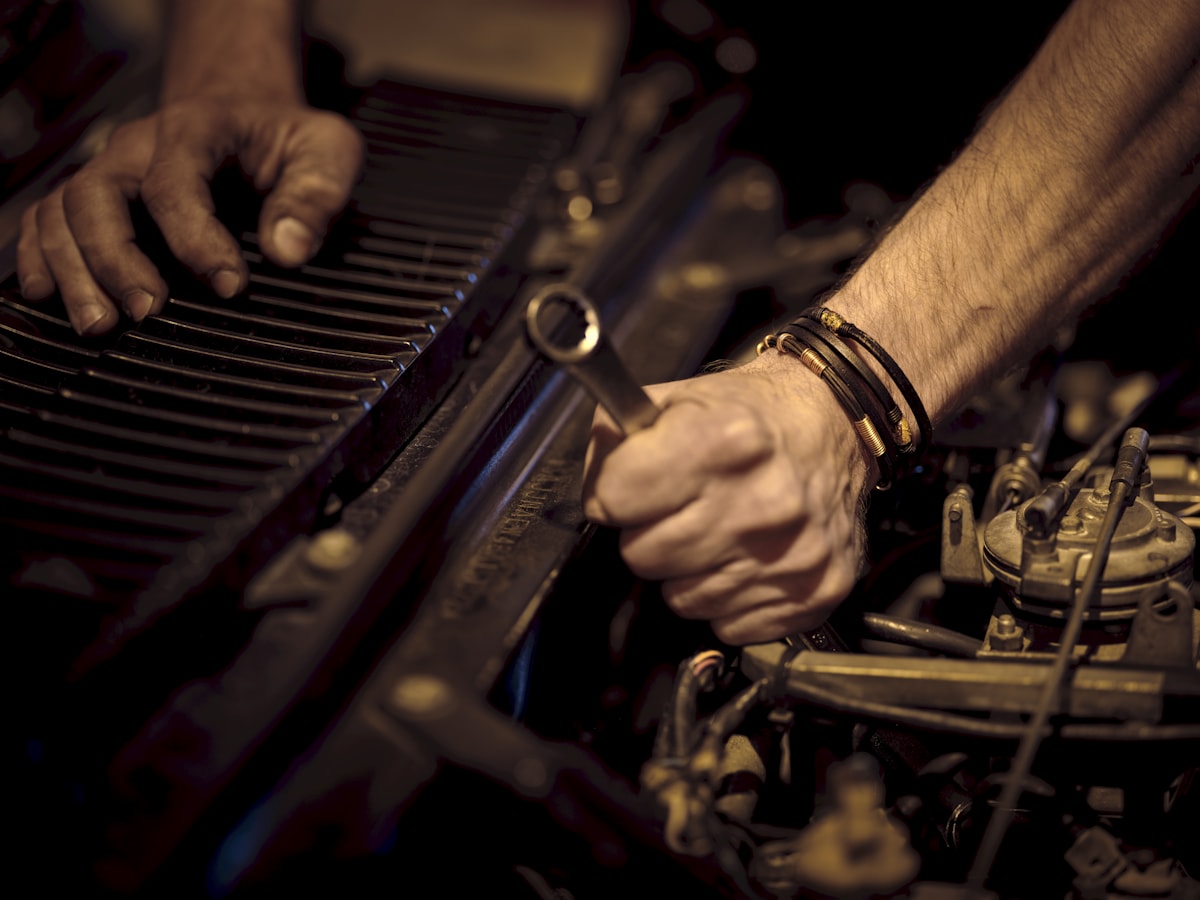
Your kei truck is one of the most mechanically simple vehicles on the planet. Three cylinders, 660cc, a handful of electronics, and a drivetrain that was designed to haul 350 kg of rice through narrow Japanese mountain roads for decades. These engines were built to run forever, and our lifespan guide shows how owners are actually realizing that potential. Forum members on MiniTruckTalk regularly report 200,000 km and beyond on original engines with nothing more than oil changes and timing belt replacements.
But "simple and reliable" does not mean "problem free." These trucks are 25 to 35 years old. Every rubber component is past its design life. Every seal has hardened. Every fluid has been baking for years unless someone replaced it. And because these trucks were purpose built work vehicles in Japan, many of them spent their careers getting beaten on, overloaded, and maintained just enough to pass the biennial shaken inspection before heading to auction.
The maintenance guide covers what to do the day your truck arrives. This article covers what goes wrong after that. Not the scheduled maintenance items, but the failure patterns specific to each model that catch owners off guard. Some of these are minor. Some will strand you. All of them are cheaper to address proactively than reactively. When one does turn into a big quote, our fix it or buy another breakdown runs the repair math.
Problems That Affect Every Kei Truck
Before getting into model specific issues, five failure categories hit every kei truck regardless of badge. If you have already handled all of these on your truck, you are ahead of most owners.
Cooling System Failures
This is the number one killer. Overheating is the fastest way to destroy a 660cc engine. These tiny motors run tight tolerances, and even brief overheating episodes can warp the cylinder head or blow the head gasket. The cooling system components that fail are the same across every model: cracked plastic expansion tanks, perished radiator hoses, corroded radiator cores, seized thermostats, and water pumps with worn seals. A complete cooling system refresh runs $150 to $300 in parts.
Rotted Rubber: Vacuum Lines, Hoses, and Seals
Everything rubber on a 25 year old vehicle is compromised. Vacuum lines crack and split, causing rough idle, stalling, poor acceleration, and 4WD engagement failures. Fuel hoses become brittle. Brake hoses swell internally and trap pressure. Coolant hoses look fine on the outside but are delaminating on the inside, shedding rubber chunks into the cooling system. Replace every rubber line you can reach. Label them as you go. A full vacuum line replacement costs under $30 in hose and an afternoon of work.
Frame and Body Rust
As the rust prevention guide covers in detail, rust kills more kei trucks than mechanical failure. Trucks from Japan's northern prefectures (Hokkaido, Tohoku, Niigata) saw aggressive road salt for 25 plus winters. Check the frame rails, engine mounts, spring hangers, and cab corners. Surface rust is treatable. Structural perforation near suspension mounts means walking away from the purchase.
Brake System Degradation
Every imported kei truck arrives with unknown brake service history. Brake fluid absorbs moisture over time and loses effectiveness. Rubber brake hoses swell internally. Drum brake hardware seizes. As Hagerty recommends for all vintage imports, a complete brake fluid flush and hardware inspection should be mandatory on arrival. Budget $100 to $200 for a full brake refresh including new shoes, hardware kits, and fluid.
Timing Belt Risk
The Suzuki Carry F6A, Honda Acty E07A, Daihatsu Hijet EF series, and Subaru Sambar EN07 all use interference engines. If the timing belt snaps, the pistons hit the valves, and you are looking at a rebuild or a replacement engine. The belt should be replaced every 60,000 km or every five years, whichever comes first. If you cannot verify the belt's service history on your truck, replace it immediately. This is a $200 to $400 job (parts and labor) that prevents a $1,500 to $2,500 engine replacement. Check our pre-purchase checklist for what to look for before buying.
Suzuki Carry: F6A and K6A Engine Issues
The Suzuki Carry is the most popular kei truck in the US, which means more real world data on what fails. The carbureted F6A engine (1990 to 1998) and fuel injected K6A (1999 onward) share some issues but diverge in others.
Distributor Cap and Rotor Wear (F6A)
The F6A's distributor is mounted low and exposed, making it vulnerable to moisture and dirt. Cracked distributor caps cause misfires, hard starting, and random stalling, especially in wet conditions. This is one of the most common complaints on r/keitruck, and it is an easy fix. A new cap and rotor kit costs under $30 from Oiwa Garage. Replace them every 30,000 km or at the first sign of misfire.
Carburetor Gumming (F6A)
Older carbureted Carries that sat for extended periods develop clogged jets and sticky float valves. Symptoms include rough idle, poor fuel economy, and stalling at low RPM. A carburetor rebuild kit runs about $40 to $60, and the rebuild is straightforward for anyone comfortable with small engine carbs. If the truck ran on Japanese fuel that sat for years, the jets are almost certainly partially blocked.
Cooling Fan Relay Failure (K6A)
The fuel injected K6A models use an electric cooling fan controlled by a relay. When the relay fails, the fan stops running, and the engine overheats quickly in traffic or at low speed. The relay itself costs $15. The engine rebuild if you do not catch it in time costs $2,000. Check that the fan kicks on when the engine reaches operating temperature. This is the most common cause of Carry overheating in fuel injected models.
Oil Pan Gasket Leaks
Both the F6A and K6A develop oil pan gasket leaks as the original cork gasket degrades. You will notice a few drops under the truck after it sits. Not catastrophic, but if ignored, oil level drops and the engine runs hot and dry. A replacement gasket is $10 to $15 and takes about an hour to replace. Keep an eye on oil level between changes.
Honda Acty: E07A and E07Z Engine Issues
The Honda Acty uses Honda's E07 series three cylinder, and it earns its reputation for high RPM reliability. But a few specific issues plague Acty owners.
Gear Grinding and Transmission Wear
According to JDM Export's Acty guide, grinding gear shifts are the second most reported Honda Acty problem. The manual transmission synchronizers wear over time, especially second and third gear. Aggressive driving habits accelerate the wear, but even gently used trucks develop this issue past 150,000 km. Check for grinding during your test drive. Transmission fluid replacement sometimes helps, but worn synchros eventually need a rebuild ($500 to $800) or a used replacement transmission ($300 to $500 plus labor).
Timing Belt Tensioner Failure
The Acty's timing belt tensioner uses a spring loaded pulley that loses tension over time. A weak tensioner allows the belt to skip teeth, which throws off valve timing and can cause piston contact. Always replace the tensioner, idler pulley, and water pump when doing the timing belt. This is not optional. Doing just the belt saves $50 in parts and risks a $2,000 engine. Parts are readily available through Amayama by chassis code (HA3, HA4, HA6, HA7).
Spark Plug Wire Deterioration
The Acty's plug wires run close to the exhaust manifold and heat cycle constantly. After 25 years, the insulation breaks down and causes random misfires. Replacement plug wire sets cost $25 to $40, and swapping them takes 15 minutes. If your Acty stumbles at idle or misses under load, check the wires before chasing more complex causes.
Starting Problems and Ignition
The E07A's ignition system relies on a coil and distributor setup that degrades with age. Dead batteries are common since older kei trucks draw a small parasitic load even when off. If the truck cranks but will not fire, check for spark first. A new ignition coil runs $40 to $60.
Daihatsu Hijet: EF Series Engine Issues
The Daihatsu Hijet is the second best selling kei truck platform globally, with over 4.58 million units sold since 1960 according to Carscoops. The EF series engines (EF-ES, EF-GS, EF-VE) are robust, but the Hijet has a few specific failure patterns.
Cooling System Air Locks
This is the Hijet's signature problem. The cooling system design is prone to air pockets that prevent proper coolant circulation. An air locked system causes localized overheating even when coolant levels look normal. This is among the most frequently reported Hijet mechanical issues. The fix is to bleed the system properly using the bleed screw on the thermostat housing. It does not require replacing any parts, just patience and a proper bleed procedure. Every Hijet owner should know how to do this.
Fuel Line Corrosion
The Hijet's steel fuel lines corrode from the outside in, especially on trucks from salty regions. A corroded fuel line leaking onto the exhaust manifold is a fire hazard. Inspect all fuel lines annually and replace any line showing surface pitting. Replacement fuel line and fittings cost $30 to $50. This is a safety issue, not a convenience one.
Clutch Cable Stretch and Failure
The Hijet uses a cable operated clutch rather than a hydraulic system. The cable stretches over time, reducing clutch engagement and eventually snapping. Adjustment buys time, but replacement is the permanent fix. A new clutch cable runs $25 to $40 and takes about an hour to install. Keep a spare in the truck if you daily drive your Hijet.
Prop Shaft U Joint Wear
The Hijet's prop shaft universal joints wear out and develop play, causing vibration at speed and a clunking sound when shifting between drive and reverse. Replacement U joints cost $15 to $25 each and are a straightforward press job.
Subaru Sambar: EN07 Engine Issues
The Subaru Sambar is the oddball of the kei truck world. Unlike every other model on this list, the Sambar uses a rear mounted engine driving the rear wheels (or all four with the optional 4WD system). It also uses Subaru's signature flat four layout, except compressed into a three cylinder configuration. This layout gives it unique handling characteristics and unique problems.
Valve Stem Seal Degradation and Oil Burning
This is the Sambar's notorious issue. The EN07 engine develops oil consumption as the valve stem seals harden and crack with age. Symptoms include a puff of blue smoke on startup that clears after 30 seconds, and gradually increasing oil consumption. According to discussions on The Subaru Forums, this is the single most common EN07 issue. Replacing valve stem seals requires removing the cylinder head, which puts this in the $400 to $700 range for labor. Caught early, it is an annoyance. Ignored, it leads to fouled spark plugs, catalytic converter damage, and eventually scored cylinder walls.
Oil Starvation on Cold Start
The EN07's oil filter position allows oil to drain back into the sump when the engine sits overnight. This means the first few seconds of each start run with minimal oil pressure at the top end. Installing an oil filter anti drain back valve ($10 to $15) is cheap insurance against premature bearing wear. This is a known EN07 quirk that Subaru never addressed in production.
Supercharger Issues (EN07T Only)
The supercharged EN07T variant makes more power (52 to 58 hp versus the naturally aspirated 46 hp) but adds complexity. Monitor for whining noises, loss of boost pressure, and oil leaks around the supercharger housing. Supercharger rebuilds are not common but are expensive ($500 to $800) when they happen. Check the supercharger oil level at every oil change.
Rear Engine Access Difficulty
This is not a failure per se, but it compounds every other problem. Because the engine sits under the bed at the rear of the truck, routine tasks like spark plug changes and belt inspections require tilting the bed or working through limited access panels. Budget extra time for every maintenance task compared to front engine kei trucks. Forged 4x4's Sambar build shows this layout up close during a full off road conversion.
Mitsubishi Minicab: 3G83 Engine Issues
The Mitsubishi Minicab is the least common of the five major kei truck models in the US market, but owners who have them generally love them. The 3G83 engine is a solid unit, but it has specific failure modes.
Crankshaft Liner Rotation
The 3G83's biggest weakness is sensitivity to oil starvation. Even short drives on low oil can cause the crankshaft bearing liners to rotate, which scores the crank journals and creates a deep knocking sound. This is the most critical 3G83 failure mode. Unlike other kei truck engines that will tolerate brief low oil conditions with only increased wear, the 3G83 can suffer catastrophic bearing failure quickly. Check oil level religiously. Set a phone reminder if you have to.
Valve Knocking and Adjustment
The 3G83 requires periodic valve clearance adjustment. As the valves seat into the head over time, clearance increases and produces a rhythmic ticking or knocking sound. This is normal wear on a 25 year old engine, and adjustment is a 1 to 2 hour job with a basic tool kit. Typical clearance specs are 0.15 mm intake and 0.25 mm exhaust.
Carburetor and Fuel Pressure Issues
Carbureted Minicab models share the same gumming and jet clogging issues as other 1990s kei trucks. Fuel injected models (later 3G83 variants) require approximately 30 to 40 psi fuel pressure for proper operation. Low fuel pressure (below 25 psi) indicates a weak fuel pump or clogged fuel filter. A new fuel filter costs $10 to $15 and should be replaced annually.
Ignition System Wear
Older Minicab models report ignition system degradation including weak spark, rough idle, and hard starting. As discussed on MiniTruckTalk's Minicab threads, replacing the spark plugs, distributor cap, and rotor as part of your baseline service makes a noticeable difference. These are all sub $50 parts.
How to Use This Information
If you already own a kei truck, run through the model specific section above and address any items you have not checked. Most of these fixes are under $100 in parts and well within a weekend mechanic's skill level. The parts sourcing guide covers where to find everything listed here, and Goo-net Exchange listings often include detailed inspection reports showing exactly which issues a truck had before export.
If you are shopping for a kei truck, use the model specific weak points as inspection targets. Ask the seller about timing belt history, listen for gear grinding or valve knocking during the test drive, and check for blue exhaust smoke on cold start. A truck with known issues priced accordingly is often a better buy than a "no problems" truck at full price, as long as you know what you are getting into. The caveats most kei truck reviewers skip covers the broader buyer's checklist, including the six month maintenance bill that follows almost every import.
The Bottom Line
Kei trucks are among the most reliable vehicles per dollar you can buy. The engines are simple, parts are cheap, and the mechanical design has been refined over decades of production. But 25 years of age catches up with every machine. The difference between a kei truck that runs for another decade and one that dies on the side of the road is knowing your specific model's weak points and addressing them before they become emergencies.
The universal issues (cooling, rubber, rust, brakes, timing belt) affect every truck on the road. Handle those first. Then dig into your model's specific patterns. A $30 distributor cap on a Carry, a $15 anti drain valve on a Sambar, or a $10 fuel filter on a Minicab could be the difference between a dependable tool and a yard ornament.
These trucks were built to work. As the kei truck production numbers show, tens of millions have been built since the 1960s. The engineering is proven. Keep up your end of the deal, and they will keep up theirs. And if you are tired of chasing carburetor issues and timing belt intervals entirely, an EV conversion eliminates most of these failure points in one shot. For those who want more power without going electric, our engine swap guide covers everything from turbo breathing mods to motorcycle and V8 conversions.
Advertisement


