Toyota Scion Kei Trademark: Is a US Kei Truck Coming?
Toyota filed SCION KEI with the USPTO on October 27. The filing is real, narrow, and covers automobiles, not trucks. Here is what the trademark actually says and why a full speed US Scion Kei could not be a true kei. Two weeks later, Toyota answered with the 25 mph KEI-01.
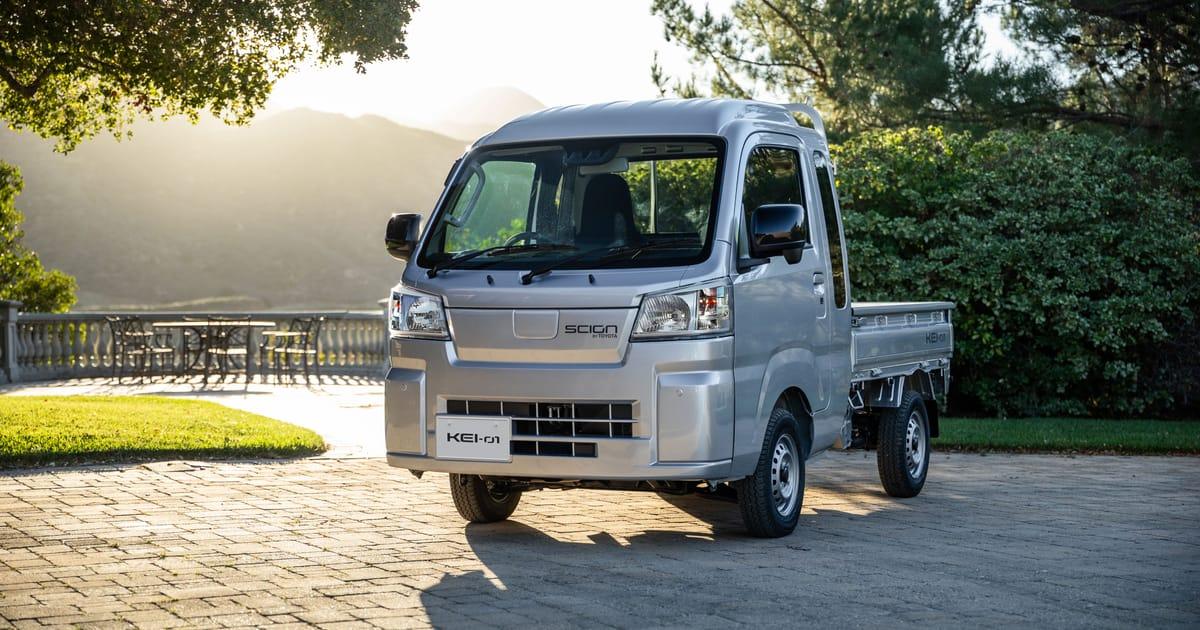
Update, November 12, 2026: Two weeks after this filing, Toyota announced the Scion KEI-01, a kei truck it will assemble in Indiana starting in the second half of 2027. It gets around the crash standards discussed below by capping its speed at 25 mph as a federal low speed vehicle, and fleet customers get it first.
On October 27, 2026, Toyota Jidosha Kabushiki Kaisha filed the words SCION KEI with the US Patent and Trademark Office. The USPTO record for serial 50184034 lists exactly one thing the name would go on: "Automobiles and structural parts therefor." No examiner has been assigned yet. Ten days later, the Ideal channel posted a video titled "Toyota will sell you a Kei Truck!" and argued that a simple Toyota pickup around $20,000 would make more sense than another expensive SUV.
Credit where it is due: the video's own description admits Toyota has not announced a vehicle, a pickup, a US launch, or a price, and calls the tiny truck idea the host's own argument. That honesty is worth keeping in mind, because the headline runs well ahead of the paperwork. The filing is real and it is interesting. It just does not say truck, and it cannot change what Toyota is allowed to sell here new.
What Toyota Actually Filed
SCION KEI was not a one off. According to a register roundup from Signa, Toyota made seven Scion filings in October, the first new Scion applications Signa found on the register since 2015. The sequence tells the story better than any single record.
On October 15, Toyota filed four US applications: SCION and SCION BY TOYOTA, each as a plain word mark and as a logo mark, in the vehicle and dealership classes. Those four cover a sprawling list that includes motorcycles, electric bicycles, electric vehicles, trucks, all terrain vehicles, and even boats. That is a company fencing off a brand name across everything with wheels or a hull.
Then on October 27 came the narrow one. SCION KEI went in at the USPTO and at the European Union trademark office on the same day, both as word marks, both limited to class 12, both covering automobiles and their structural parts and nothing else. Toyota added a European SCION word mark on October 29. As of November 1, none of the seven had an examination event on file, and Signa notes that a first USPTO action typically arrives months after filing. In other words, the next official signal from the trademark office is probably a 2027 event.
Automobiles, Not Trucks
Here is the part the video title skips. Trucks appear in the broad October 15 filings. They do not appear in SCION KEI. If Toyota had wanted to stake out a tiny pickup under that exact name, the goods list was the place to say so, and it chose the most generic word in the class instead.
Nothing about the revived Scion brand pointed at a small road car until now, either. The name came back at SEMA in November 2025 on the Scion 01, which Car and Driver described as an off road side by side with a turbocharged hybrid four making more than 300 horsepower, borrowed from Toyota's truck line. As CarMoses reported when it found the European twin of this filing, Scion's chief engineer had framed the revived brand as "not traditional vehicles." An automobiles only filing runs the opposite direction, which is exactly why it caught attention. CarMoses also points out that the last small Scion, the iQ sold for the 2012 through 2015 model years, was 120.1 inches long but 66.1 inches wide, about 8 inches wider than the kei rules allow.
SEMA 2026 closes today, and Toyota has not used it to explain anything. The booth walkaround from Auto123 covers Woodland crossovers, tracked Snowhunter trucks, and a slammed Crown Signia GT-S, and Guide Auto Web's tour adds GR models and a hydrogen GR Corolla. Neither mentions a Scion.
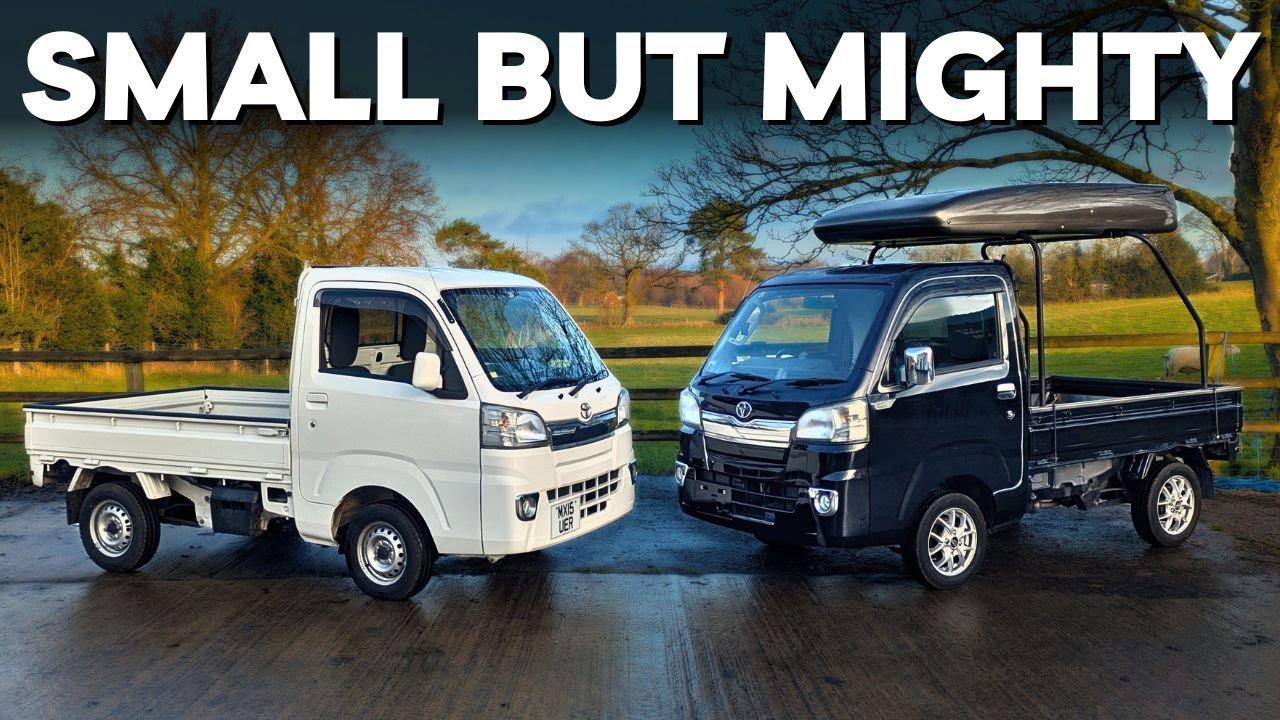
The irony is that Toyota already sells a kei truck. The Toyota Pixis Truck has been on Japanese Toyota lots since 2011, and it is a Daihatsu Hijet with a different badge on the grille. Toyota owns the kei engineering through Daihatsu. What it still lacks is a legal way to sell that hardware new in the United States at highway speed.
Why an American Scion Kei Cannot Be a Real Kei
A kei vehicle is a Japanese registration class: 3,400 mm long, 1,480 mm wide, 2,000 mm tall, and under 660cc. It is not a size you can simply build to in Kentucky. Every new vehicle sold here has to meet the Federal Motor Vehicle Safety Standards that NHTSA enforces, and the only reason 25 year old kei trucks roll around American farms is that they aged past that requirement. A Covington and Burling analysis from December 2025 laid out the rulemaking a separate federal kei category would need. Nearly a year after the White House push we covered in our breakdown of the kei truck regulation fight, no such category has been published.
Our Slate, Telo, and kei truck comparison explains the Japanese kei definition and why a small pickup designed for the US differs from that category. That distinction matters when assessing what Toyota might build under the Scion Kei name.
The video's case for a small truck is still sound, and the numbers back it. Suzuki lists the flat bed of the current Suzuki Carry at 1,940 mm, about 76.4 inches, against Ford's published 67.1 inches for the F-150's 5.5 foot box. Ford's own year end numbers show the Maverick set a record with 155,051 sales in 2025, proof that Americans will buy a smaller pickup when someone sells one. Our kei truck vs Ford Maverick comparison shows where the two overlap and where they do not. But a federally compliant Toyota mini truck at $20,000 would be a Maverick sized compromise wearing a Japanese word, not a 660cc truck you can park sideways.
The Bottom Line
A trademark is a placeholder, not a product. SCION KEI tells you Toyota wants the name for a car, and the narrow goods list suggests someone inside the company has a specific vehicle in mind. It does not say truck, it does not say America, and it does not give anyone a way around FMVSS. Toyota had made no announcement when this was written, and the trademark office will not touch the file for months.
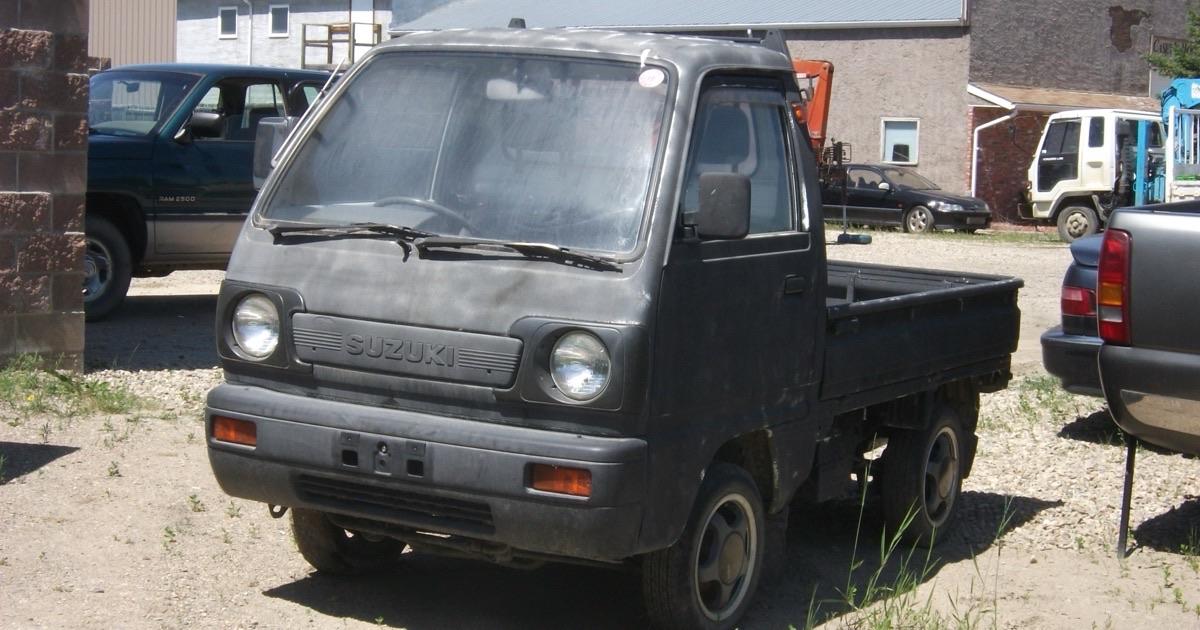
If you want a Toyota family kei truck today, the honest path is a 25 year old Hijet, the same truck the Pixis copies. Start with our dealer directory for importers who already handle title paperwork, and check the state legality guide before you put a deposit down. The full Ideal channel video is worth a watch for the case in favor of tiny trucks. Just keep the filing date, the goods list, and the safety standards in mind when a headline says Toyota will sell you one.