How Fast Can a Kei Truck Go? Top Speed by Model
Most kei trucks top out between 60 and 75 mph and cruise happily at 50 to 55. Here is the real top speed of every popular model, why the number on the spec sheet lies, and where you can legally drive one at speed.

Advertisement
TL;DR: A stock kei truck will hit 60 to 75 mph on flat ground with an empty bed, and a few models can touch 80 with a tailwind and a prayer. That is not the number that matters. The number that matters is sustained cruising speed, and for almost every 660cc truck that is 50 to 55 mph. Past that, you are screaming the engine, fighting crosswinds, and in most states breaking the law anyway, because the majority of states that register kei trucks cap them to roads posted 55 mph or lower.
The speedometer in a 1990s kei truck goes to 140 km/h. That is 87 mph, and it is the most optimistic piece of gauge design in the automotive world. Nobody who has actually driven a Suzuki Carry up a highway on ramp believes the needle is getting anywhere near that end of the dial.
So how fast can a kei truck go? Faster than you think, slower than the speedo suggests, and a lot slower than you want once the wind picks up. Here is the honest breakdown.
Kei Truck Top Speed by Model: 60 to 75 MPH
Every kei truck eligible for US import in 2026 runs a 660cc engine making somewhere between 38 and 58 horsepower. Top speed comes down to gearing, drivetrain, engine health, and how much the truck weighs that day. Here is what real owners and exporters report for the models you will actually find for sale:
| Model | Engine | Power | Reported Top Speed | Comfortable Cruise |
|---|---|---|---|---|
| Suzuki Carry | F6A, 3 cyl | 38 to 45 HP | 65 to 75 mph | 50 to 55 mph |
| Honda Acty | E07A, 3 cyl | 38 to 45 HP | 65 to 71 mph | 55 to 60 mph |
| Daihatsu Hijet | EF series, 3 cyl | 40 to 50 HP | up to 81 mph | 50 to 55 mph |
| Subaru Sambar | EN07, 4 cyl | 48 HP (58 HP supercharged) | 75 to 87 mph (claimed) | 55 to 60 mph |
Treat those top speeds as ceilings, not promises. According to Car From Japan's top speed rankings, the Sambar sits at the top of the pile at around 140 km/h under ideal conditions, with the Hijet second at roughly 81 mph. Those are best case numbers: flat road, empty bed, healthy engine, no headwind. Your truck on your road will almost certainly land lower.
For buyer planning purposes, 50 to 65 mph is the realistic top speed range for a typical imported 660cc truck. A well maintained 5 speed truck on level ground reaches the upper end. A loaded 4WD truck with a tired engine and a 3 speed automatic may never see 60.
Why Kei Trucks Top Out Where They Do
Three things cap a kei truck's speed, and only one of them is the engine.
The Gentlemen's Agreement
Japanese manufacturers have long held to a self imposed 140 km/h (87 mph) ceiling for kei vehicles through the Japan Automobile Manufacturers Association. As the kei car entry on Wikipedia notes, this is voluntary, not a legal requirement, and it exists mostly because vehicles this narrow get sketchy at speed. That is why the speedometer stops at 140. It was never a performance claim. It was a boundary nobody was supposed to reach.
Gearing Built for Rice Paddies
Kei trucks are geared for pulling a bed full of cabbages up a mountain farm road, not for interstate cruising. First gear is short, fifth gear is not much of an overdrive, and 4WD models often add an extra low crawler gear on top of that. At 55 mph, a typical kei truck engine is already spinning hard. At 65, it is near the top of its useful rev range. There is no tall cruising gear waiting to save you, because Japanese kei owners never needed one on roads where the expressway limit is typically 100 km/h (62 mph).
Aerodynamics of a Refrigerator
A kei truck is a cab over brick with a flat windshield and a tall, narrow profile. Drag climbs with the square of speed, and at 60 mph there is simply not enough power left over to push more air. This is also why headwinds and crosswinds hit these trucks so hard. A 20 mph headwind turns a 65 mph truck into a 55 mph truck, and a gusty crosswind at 60 will have you actively steering to stay in your lane.
Model by Model Notes
The Suzuki Carry is the default kei truck for a reason, but the F6A in the DA52T and older trucks is not a highway engine. It will run 60 all day on flat ground and it will complain about every hill. Front mounted under the seats, it also makes the cab noticeably louder at speed than the mid engine trucks.
The Honda Acty is the one owners praise for cruising. Its mid engine layout keeps the cab quieter and the weight balanced, and plenty of Acty owners report sitting at 60 mph without drama. JDM Export's Acty speed breakdown puts the practical top speed at 60 to 65 mph, with about 70 possible on flat ground. Rear wheel drive trucks run a few mph faster than 4WD versions because they carry less weight and fewer drivetrain losses.
The Daihatsu Hijet generally posts the highest top speed claims among the three cylinder trucks. It is heavier than the Carry, which hurts acceleration, but the EF engine family pulls well once it is wound up.
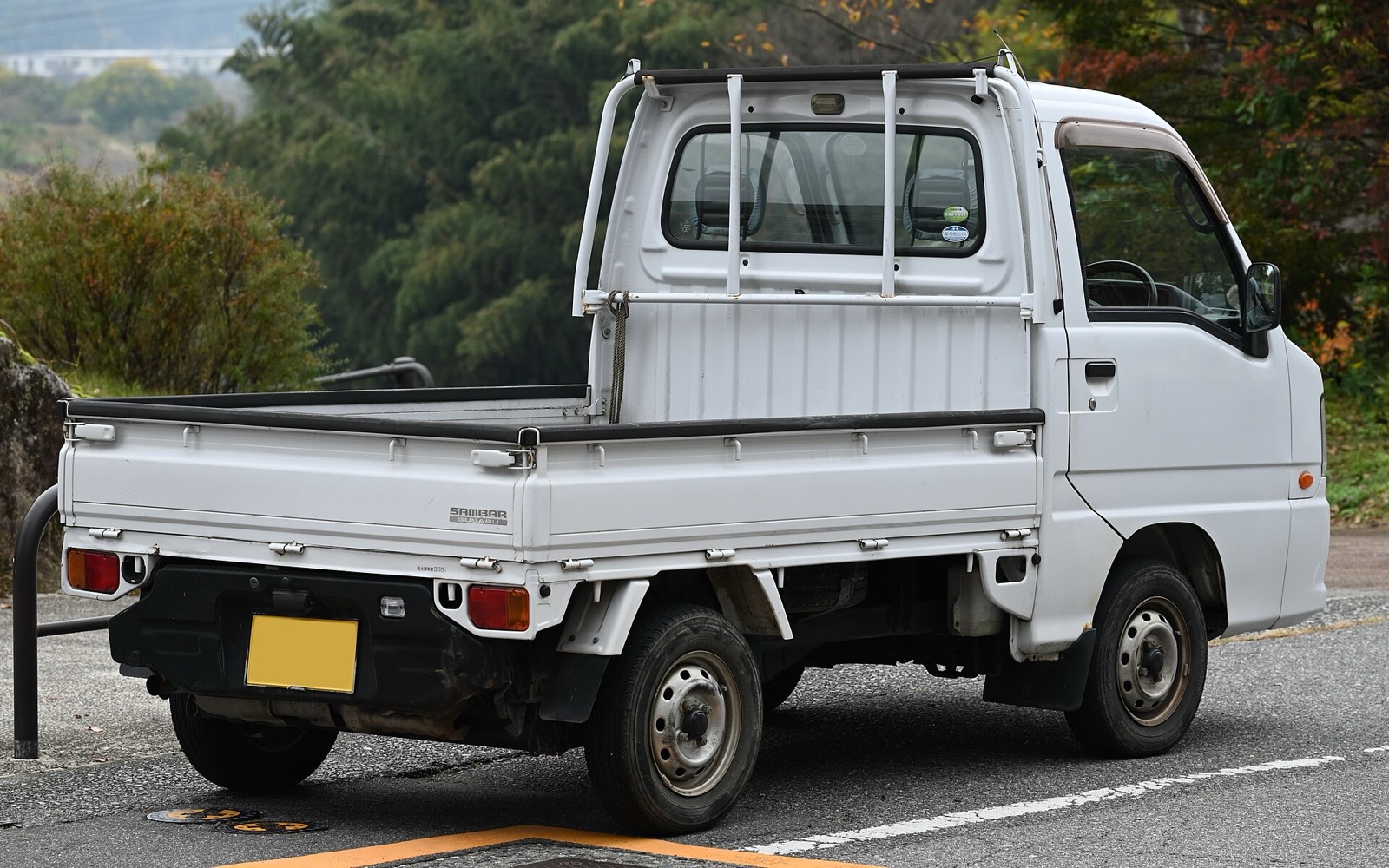
Then there is the Subaru Sambar, the only kei truck with a four cylinder engine and the only one with a factory supercharger option. The EN07 revs smoothly in a way the three cylinders never will, and the supercharged version is the closest thing to a kei truck that actually feels comfortable at highway speed. If speed matters to you, this is the truck. Just know that supercharged Sambars are rare, and the claimed 87 mph figure should be taken with a grain of salt.
Top Speed Is Not Cruising Speed
Here is the part the top speed listicles skip. Hitting 70 mph for thirty seconds on a flat stretch is one thing. Holding 65 for an hour is how you cook a 30 year old engine.
Most kei truck engines are happiest in the 2,000 to 3,500 RPM range for sustained driving, according to SamuraiTrucks' highway speed testing. Their testers found every model comfortable at 80 km/h (50 mph), noticeably strained at 90 to 100 km/h (56 to 62 mph), and at their practical limit at 110 km/h (68 mph), where any grade or headwind became a real fight. That lines up with what we hear from owners: 50 to 55 is the sweet spot, 60 is doable, and anything above that is borrowing against your cooling system and your valve train.
A few things drag your real cruising speed down further. Load is the big one: a kei truck is rated for 350 kg (about 770 lbs) of payload, and a full bed knocks 5 to 10 mph off the top and a lot more on hills. 4WD adds weight and drivetrain friction, which costs a few mph compared to a 2WD truck. Automatic transmissions hurt too, since the old 3 speed autos are geared short and slip power; a 5 speed manual is the better highway truck every time. Engine health shows up first at sustained high RPM, so low compression, a clogged radiator, or a tired timing belt will announce themselves on the highway before anywhere else. And worn or underinflated 12 inch tires add drag and heat.
And then there is the safety piece nobody can engineer around. A kei truck built before 2001 has no airbags, no crumple zone worth mentioning, and your knees are the front crash structure. At 35 mph that is a calculated risk. At 65 mph next to a loaded semi, it is a much bigger one. Our guide to daily driving a kei truck covers the comfort and safety trade offs in more detail.
Can You Legally Drive a Kei Truck on the Highway?
This is where the speed question stops being about the truck and starts being about your state. Even if your Hijet can do 75, the law in most places says it will never be allowed to.
Check our state legality guide for your specific rules, but the patterns break down like this:
Full road access states. Twelve states currently treat properly imported kei trucks as regular motor vehicles, including Texas, Arizona, Michigan, and, as of this summer, Alaska and Vermont. In these states, you can legally drive on any road your truck can keep up with, interstates included.
55 mph road states. This is the most common restricted setup. Arkansas, Colorado (phasing in through 2027 and 2028), Louisiana, and several others allow kei trucks only on roads posted 55 mph or lower, with interstates off limits. Conveniently, 55 is right about where a kei truck wants to cruise anyway.
35 mph road states. Florida, Mississippi, and a handful of others restrict mini trucks to roads posted 35 mph or less. Florida's rule sits in Florida Statute 316.2122, which lets you cross a faster road at an intersection but not drive along it. In these states, top speed is irrelevant. You will never legally use more than half of it.
Governed states. Alabama issues mini truck plates, but the truck needs an installed speed governor capping it at 25 mph. That makes it a property and errand vehicle, full stop.
Even in full access states, remember that many interstates carry posted minimum speeds, typically 40 to 45 mph. A kei truck can clear that easily on flat ground, but a loaded truck on a long grade in the mountains can drop below it. The NHTSA summary of state speed laws lists minimum speed rules by state if you plan on regular interstate runs.
Making a Kei Truck Faster: What Works and What Is a Waste
Owners have been trying to make these trucks faster for as long as they have been importing them. Some of it works.
Taller tires are the cheapest trick. Going up one size from the stock 12 inch setup lowers engine RPM at a given speed, which makes cruising quieter and easier on the engine. The catch is acceleration: you lose some pull off the line and on hills, and your speedometer reads low afterward. The owner threads on r/keitruck are full of people who did this and are happy with it, and just as many who went too big and regretted it on the first steep driveway.
A GPS speedometer is not a performance mod, but it is the first thing you should buy. The stock gauge is in km/h, it is decades old, and after a tire change it will be wrong. Knowing your real speed matters when your state caps you at 55.
Engine and drivetrain swaps are the real answer for anyone who needs a highway truck. Turbo engine swaps and full Jimny drivetrain conversions both show up in builds, with taller gearing configured for cruising. Our kei truck engine swap guide covers the realistic options and costs. Budget thousands, not hundreds, and expect to sort out cooling and brakes afterward. Speaking of which: more speed with stock drum rear brakes is a bad trade. Upgrade the stopping before the going. Oiwa Garage's top speed guide makes the same point: the trucks were engineered around their speeds, and pushing past them stresses everything else too.
What does not work: intake and exhaust bolt ons on a naturally aspirated 660cc engine. You are chasing single digit horsepower gains on an engine that makes less than 50 to begin with. Save the money for tires or a speedometer.
Buying for Highway Use: What to Look For
If you know part of your driving will be on faster roads, shop differently. Here is the priority list:
- A 5 speed manual. Skip the 3 speed automatic.
- 2WD if you do not need 4WD. Lighter, a few mph faster, slightly better mileage.
- A Sambar or Acty. The Sambar's four cylinder and the Acty's mid engine layout make them the most livable at speed.
- A healthy engine. Ask for a compression test and check the cooling system hard, because highway driving exposes both.
- Your state's rules first. A truck that can do 70 does you no good in a 35 mph state.
Our pre purchase checklist covers the full inspection. And if you are shopping auctions, a supercharged Sambar listing on Goo-net Exchange is worth a close look if highway comfort is the priority.
Frequently Asked Questions
The Bottom Line
A kei truck can go 60 to 75 mph. It wants to go 50 to 55. The speedometer that reads to 87 mph was a voluntary industry ceiling, not a promise, and the gap between top speed and cruising speed is where engines die.
If you need a truck that lives on the interstate, a kei truck is the wrong tool, and in most states it is also an illegal one, no matter how cleanly it cleared the NHTSA 25 year import rule. If your life happens on back roads, county highways, and farm lanes posted at 55 or below, a kei truck is fast enough, and a healthy 5 speed Acty or Sambar will keep up with traffic without drama. Buy for the roads you actually drive, check your state's speed rules before you check the auction sheet, and put a GPS speedometer on the dash before you find out the hard way what 100 km/h really feels like.
Advertisement


