Kei Truck & Kei Car Laws in Florida (2026)
RestrictedFlorida Statute 316.2122 limits kei trucks to roads posted 35 mph or less, though you can cross higher speed intersections to reach allowed routes.
Florida allows kei trucks to be titled and registered, but under Florida Statute 316.2122, mini trucks may only be operated on streets where the posted speed limit is 35 mph or less. You can cross intersections with higher speed limits, but sustained driving on roads above 35 mph is prohibited. The state has no annual safety inspection requirement and a straightforward titling process. For more details, check our complete guide to importing a kei truck from Japan. Despite the speed limit restriction, Florida remains a popular state for kei truck ownership due to the warm climate, no inspections, and easy registration.
Disclaimer: Laws and regulations change frequently. Always verify current requirements with your local Florida county tax collector's office or the Florida Department of Highway Safety and Motor Vehicles (FLHSMV) before purchasing or registering a kei vehicle. Be sure to review our pre-purchase inspection checklist.
Overview
Florida classifies kei trucks as "mini trucks" under Statute 316.2122, which restricts them to roads with posted speed limits of 35 mph or lower. This applies to models like the Suzuki Carry and Daihatsu Hijet. Importantly, kei trucks receive a regular title and standard license plate in Florida, not a golf cart or low speed vehicle plate. The 35 mph road restriction is the operational limitation, not the vehicle's top speed.
Kei vehicles that are 25 years or older are exempt from FMVSS requirements, which is the primary pathway for legal importation and registration. Florida's title process treats these vehicles similarly to other imported cars, making the experience relatively painless for owners who have their paperwork in order.
Registration Process and Requirements
To register a kei vehicle in Florida, you will need the following:
- Title or Foreign Ownership Document: A valid title from another U.S. state, or the original Japanese export certificate (deregistration record) with a certified English translation. If the vehicle has never been titled in the U.S., you will need to apply for an original Florida title.
- Bill of Sale: Showing the purchase price, date of sale, and buyer/seller information.
- Customs Documentation: CBP Form 7501 (Entry Summary), EPA Form 3520-1, and DOT Form HS-7 showing the 25-year exemption.
- VIN Verification: Florida requires a VIN verification for vehicles being titled for the first time in the state. This can be completed by a law enforcement officer, a licensed Florida dealer, or a Florida DHSMV-authorized agent.
- Proof of Insurance: Florida requires minimum insurance coverage of $10,000 Personal Injury Protection (PIP) and $10,000 Property Damage Liability (PDL). Florida is a no-fault insurance state, so PIP coverage is mandatory.
- Odometer Disclosure: Required for vehicles with fewer than 10 years on the odometer. Most kei vehicles eligible under the 25-year rule are exempt from this requirement.
Step-by-Step Registration
- Gather all import and customs documentation from your broker or importer.
- Obtain Florida auto insurance meeting minimum PIP and PDL requirements.
- Visit your local county tax collector's office with all documents.
- Complete the VIN verification if the vehicle has not been previously titled in the U.S.
- Submit the title application (Form HSMV 82040) along with all supporting documents.
- Pay the applicable title, registration, and tax fees.
- Receive your Florida title and license plate.
Restrictions
- 35 mph Road Restriction: Under Florida Statute 316.2122, mini trucks (including kei trucks) can only be operated on streets where the posted speed limit is 35 mph or less. You may cross a road at an intersection where the posted limit exceeds 35 mph, but you cannot travel on that road. See our complete state-by-state guide for comparisons.
- No Interstate or Highway Use: Kei trucks are effectively prohibited from interstates, US highways, and any road with speed limits above 35 mph.
- No State Inspection: Florida does not require an annual safety or emissions inspection, which removes a significant hurdle present in other states.
- Standard Equipment Required: Kei vehicles must have headlamps, stop lamps, turn signal lamps, taillamps, reflex reflectors, parking brakes, rearview mirrors, windshield, seat belts, and a vehicle identification number.
- County Ordinances: Some municipalities may have additional local ordinances regarding mini trucks on certain roads. Check with your local government if you are unsure.
Cost Breakdown
| Item | Estimated Cost |
|---|---|
| Title (Original) | $77.25 |
| Title (Transfer) | $75.25 |
| Registration (annual) | $27.60 - $64.35 (by weight) |
| License Plate (initial) | $28.00 |
| Sales Tax (6%) | Varies by purchase price |
| County Discretionary Surtax | 0.5% - 1.5% (varies by county) |
| Insurance (annual) | $400 - $1,000 (varies) |
First-year costs, excluding insurance and the purchase price, typically range from $200 to $600 depending on the vehicle's weight class and declared value. For more guidance, see our kei truck insurance guide.
Recent Legislative Changes
Florida has not enacted new legislation specifically targeting kei vehicles in recent sessions. The state continues to operate under Statute 316.2122, which governs mini truck operation. The 35 mph road restriction has been in place for several years and shows no signs of changing.
At the federal level, President Trump announced in December 2025 that the administration would direct the Secretary of Transportation to explore changes to kei vehicle regulations. However, no federal rules have actually changed as of March 2026.
Florida's elimination of its safety inspection program years ago continues to benefit kei vehicle owners, as it removes a significant barrier present in other states. If you're near the border, you may also want to check kei truck laws in Georgia and Alabama.
Tips from Local Owners
- The 35 mph limit is manageable. Most kei truck owners in Florida use their vehicles for local errands, beach runs, and neighborhood driving anyway. The warm weather, no inspection requirement, and easy titling still make Florida one of the better states for kei ownership despite the road restriction.
- Insurance can be tricky. Despite Florida's easy registration process, finding an insurance company willing to write a policy for a kei vehicle can take some shopping around. Progressive, Hagerty, and some specialty insurers are commonly recommended by Florida kei owners.
- Watch for rust on imports. Florida's humidity can accelerate rust on vehicles that were already exposed to salt in Japan. Inspect the frame carefully before purchasing, especially on Subaru Sambar trucks and other models from snowy Japanese prefectures.
- Tax collector offices vary. While the process is standardized, some tax collector offices are more experienced with kei vehicles than others. Owners in the Tampa Bay, Orlando, and South Florida areas generally report smooth experiences due to higher volumes of imports in those regions.
- Use it as your daily driver. Many Florida kei car owners use vehicles like the Suzuki Cappuccino, Honda Beat, or Autozam AZ-1 as daily drivers for short-to-medium commutes. The mild climate and flat terrain are well-suited to these small vehicles.
- Join the Florida Mini Truck community. Active groups on Facebook and local car meets regularly feature kei vehicles. These communities are excellent resources for finding kei friendly mechanics, insurance agents, and parts suppliers.
Find verified kei truck dealers in Florida in our dealer directory.
What you can do in Florida
Kei trucks are legal here under specific limits. Here are the three moves that matter.
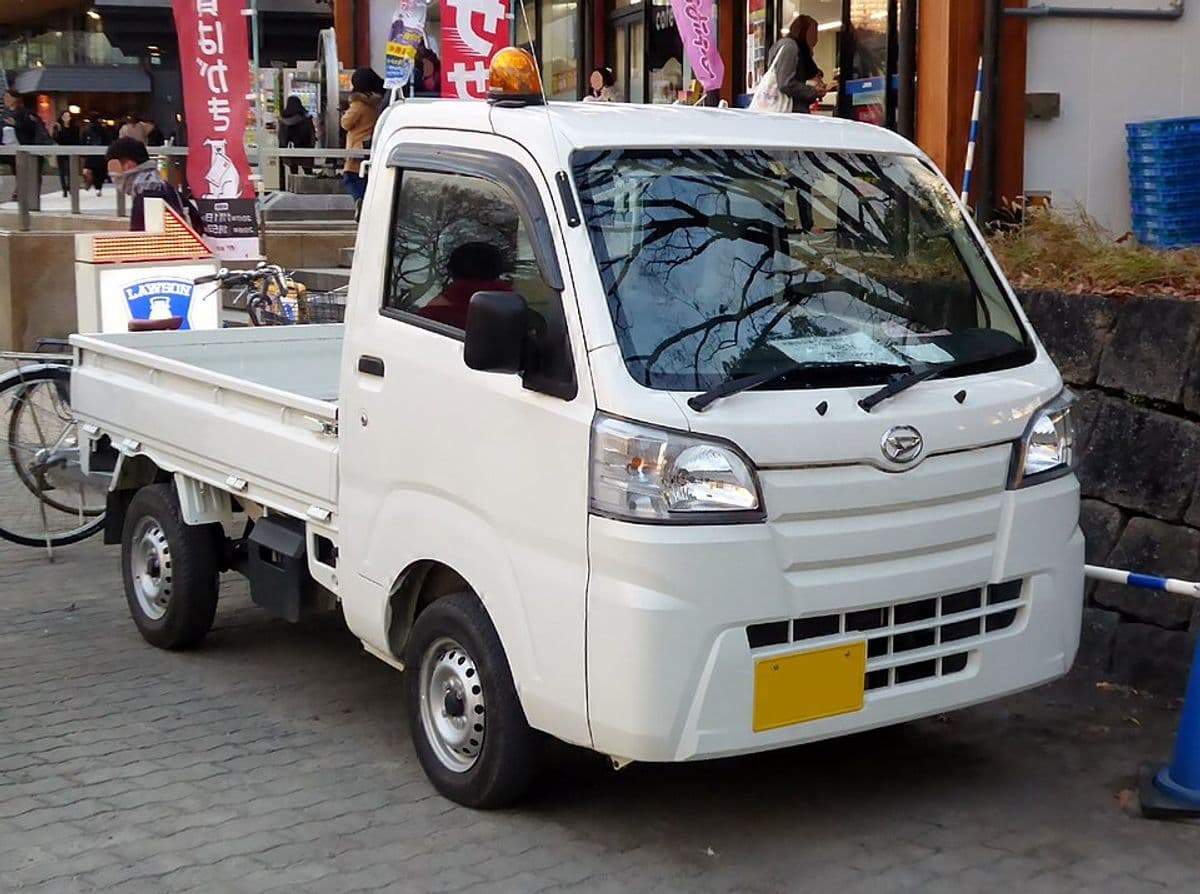
Daihatsu Hijet
1960-Present
Florida humidity, salt air, and short neighborhood loops want the Hijet. Best factory AC reliability in kei, simple driveline that does not mind heat soak, and at 35 mph the engine never gets stressed. Retirement communities and beach towns run these all day.