Kei Truck & Kei Car Laws in Georgia (2026)
Not LegalGeorgia DOR Policy Bulletin MVD-2023-05 refuses new kei truck titles and revokes existing ones. HB 308 was vetoed in 2025.
Are Kei Trucks Legal in Georgia?
No, kei trucks are illegal to register for road use in Georgia. Since 2023, the Georgia Department of Revenue Motor Vehicle Division has actively refused new kei truck registrations and has been revoking previously issued titles and registrations. Georgia is one of the most aggressive states in enforcing its kei truck ban, going so far as to send letters to existing owners notifying them that their titles and registrations are invalid.
This represents a dramatic reversal from Georgia's earlier, more permissive stance. Prior to 2023, many Georgia county tag offices were issuing titles and registrations for kei trucks, particularly those imported under the federal NHTSA 25-year import rule. The state followed guidance from the American Association of Motor Vehicle Administrators (AAMVA) and formally banned these vehicles, a move that caught many owners off guard. For more details on importing, check our complete guide to importing a kei truck from Japan.
What Happened with HB 308?
Georgia kei truck enthusiasts fought hard for legalization through House Bill 308, a bipartisan bill that would have allowed kei vehicles at least 25 years old to be registered for use on municipal streets and county roads. The bill passed the Georgia Senate with overwhelming support: 46 Yea votes to only 6 Nay votes.
However, Governor Brian Kemp vetoed HB 308 on May 14, 2025. The veto reason had nothing to do with kei vehicles directly. The bill included unrelated language about intelligent speed assistance devices for street racing offenders, and the governor cited insufficient infrastructure to implement that provision. The kei truck legalization was collateral damage.
This was the second attempt at legalization after a previous bill (HB 1239) also failed. The Georgia General Assembly did not attempt a veto override during the 2026 session (a 2/3 supermajority would have been required in both chambers), and HB 308 stayed dead. Instead, lawmakers came back with a brand new bill.
What Happened with HB 957?
Georgia took a third swing in 2026, and this one came painfully close. Rep. Rob Clifton introduced House Bill 957 on January 13, 2026, a standalone kei bill that would have let imported kei vehicles older than 25 years run on municipal streets and county roads. The House passed it 162 to 5 on February 9, 2026. Five no votes in the entire chamber. That is about as close to unanimous as Georgia politics gets.
Then the Senate did Senate things. The Public Safety Committee reported the bill favorably by substitute on March 25, 2026, and it looked like HB 957 was headed for the governor's desk with a clean bill of health this time, no street racing riders attached. Instead, the full Senate tabled it on March 31, 2026 and never picked it back up. When the legislature adjourned sine die on April 2, 2026, the end of the 2025-2026 biennium, HB 957 died on the table. Three attempts, three failures, and this one never even got the dignity of a veto.
Can I Title or Register a Kei Truck in Georgia?
No. The Georgia Department of Revenue's Policy Bulletin MVD-2023-05 explicitly prohibits the titling and registration of Japanese kei vehicles and minitrucks. County tag offices are instructed to refuse all such applications.
If your kei truck was previously titled and registered in Georgia, the state may send you a letter notifying you that the title and registration have been invalidated. The Department has stated: when it learns of improperly titled and registered kei vehicles, it issues a letter notifying the owner that the title and registration are invalid and requests return of the title.
What About the 25-Year Federal Exemption?
The federal 25-year import exemption allows vehicles 25 years or older to be legally imported into the United States without meeting EPA or DOT safety standards. However, this federal rule only governs importation. It does not require states to register these vehicles for road use. Georgia has chosen to exercise its authority to refuse registration regardless of the vehicle's federal import status.
Alternatives for Georgia Kei Truck Owners
If you already own or want to purchase a kei truck in Georgia, your options are limited:
Off-Road Use Only: You can legally own and operate a kei truck on private property, farms, and ranches. No title or registration is needed for off-road-only use.
Register in Another State: Some owners register their vehicles in states with more permissive laws. However, this typically requires establishing residency in that state. Operating a vehicle with out-of-state plates while living in Georgia could result in legal issues. New to kei vehicles? Start with our beginner's guide to kei trucks.
Advocate for Change: Contact your Georgia state representatives and senator. Previous bills had strong bipartisan support, and continued constituent pressure could result in new legislation. The r/keitruck community has active Georgia members coordinating advocacy efforts.
Legislative Timeline
Legislative Timeline
- Legalized
County Tag Offices Issue Titles
Georgia county tag offices routinely titled and registered kei trucks imported under the federal 25-year rule. No state-level policy prohibited registration.
- Banned
DOR Policy Bulletin MVD-2023-05
The Georgia Department of Revenue Motor Vehicle Division issued Policy Bulletin MVD-2023-05, banning all new kei truck titles and registrations. The state began revoking previously issued titles.
HB 1239 Fails in Legislature
First legislative attempt at legalization. House Bill 1239 did not advance out of committee.
- Pending
HB 308 Passes Senate 46-6
House Bill 308, a bipartisan legalization bill, passed the Georgia Senate with overwhelming support. Enthusiasts celebrated what looked like a turning point.
- Banned
Governor Kemp Vetoes HB 308
Governor Brian Kemp vetoed HB 308 due to unrelated provisions about intelligent speed assistance devices. Kei truck legalization was collateral damage.
- Pending
Lawsuit Crowdfunded
Attorney Steven Lefkoff of Lefkoff Law, hired by importer Jora Imports, is pursuing administrative hearings and a potential lawsuit on behalf of 86 crowdfunding enthusiasts. The legal argument centers on conflicting Georgia statutes and whether the state can retroactively revoke legitimately issued titles.
- Pending
HB 957 Introduced
Rep. Rob Clifton filed House Bill 957, a standalone bill to allow imported kei vehicles older than 25 years on municipal streets and county roads. Georgia's third legalization attempt.
- Pending
HB 957 Passes House 162-5
The Georgia House passed HB 957 by a 162 to 5 vote, near unanimous support for kei legalization.
- Pending
Senate Committee Advances HB 957
The Senate Public Safety Committee reported HB 957 favorably by substitute, clearing the last committee hurdle.
- Banned
Senate Tables HB 957
The full Senate tabled HB 957 and never brought it back for a floor vote.
- Banned
HB 957 Dies at Sine Die
The legislature adjourned the 2025-2026 biennium with HB 957 still on the table, killing the bill. Third failed legalization attempt in three years.
Cost of Ownership (Off-Road Only)
Since Georgia does not permit road registration, there are no registration or title fees to consider for kei trucks. If you plan to use one on private property:
| Item | Estimated Cost |
|---|---|
| Purchase Price (25+ year old kei truck) | $4,000 - $12,000 |
| Shipping/Transport | $500 - $2,000 |
| Basic Maintenance | $200 - $500/year |
| Farm/Property Insurance (optional) | $100 - $300/year |
Neighboring State Laws
If you live near the Georgia border, you may find more favorable laws in neighboring states:
- Florida: Legal with 35 mph speed limit and county approval
- Alabama: Legal with 25 mph speed limit
- South Carolina: Legal with 55 mph speed limit
- Tennessee: Legal with 35 mph speed limit
- North Carolina: Legal with 55 mph speed limit
For a complete overview, see our state-by-state guide.
Frequently Asked Questions
Will kei trucks ever be legal in Georgia?
It's uncertain. Three legislative attempts have failed: HB 1239 died in 2024, HB 308 passed both chambers in 2025 only to be vetoed by Governor Kemp over unrelated street racing provisions, and HB 957 passed the House 162 to 5 in 2026 before the Senate tabled it on March 31 and let it die at adjournment. The House votes for legalization clearly exist; the Senate is now the choke point.
What if I already have a titled kei truck in Georgia?
The state may revoke your title and registration at any time. If you receive a revocation letter, you have limited options: move the vehicle out of state, restrict it to off-road use, or consult an attorney about your rights.
Can I buy a kei truck from a Georgia dealer?
Some dealers in Georgia still sell kei trucks, but only for off-road or private property use. They cannot help you register the vehicle for road use. If you're looking for a Suzuki Carry, Honda Acty, or Daihatsu Hijet, be aware of the registration limitations. Check our pre-purchase inspection checklist before committing.
Is there a pending lawsuit?
Yes. Attorney Steven Lefkoff of Lefkoff Law is pursuing legal action on behalf of Georgia kei vehicle owners, funded through a crowdfunding effort by 86 enthusiasts who raised over $8,000. The legal argument centers on conflicting Georgia statutes: two state laws could apply to kei trucks, and the Department of Revenue chose the interpretation that bans them. Lefkoff is appealing through the Office of State Administrative Hearings. No definitive court ruling has been issued as of March 2026.
Useful Links
- Georgia Department of Revenue - Motor Vehicle Division
- Georgia Legislature - Bill Search
- NHTSA Vehicle Importation Guidelines
- Hagerty Insurance
- r/keitruck Reddit Community
Georgia remains one of the toughest states for kei truck enthusiasts. The combination of an active ban, title revocations, and three failed legalization bills makes it clear that road use is not an option here for the foreseeable future. Focus on advocacy, off-road enjoyment, or consider registering in a neighboring state with more permissive laws. For kei truck laws in other states, visit our complete state-by-state guide. Browse kei truck dealers in Georgia for importers selling vehicles for off-road use. If you're near the border, check kei truck laws in Alabama, Florida, Tennessee, North Carolina, and South Carolina.
When Georgia changes, we tell you first.
One email. No newsletter. Only when the law actually moves. SEMA and state-level reform groups are pushing legalization bills across the country.
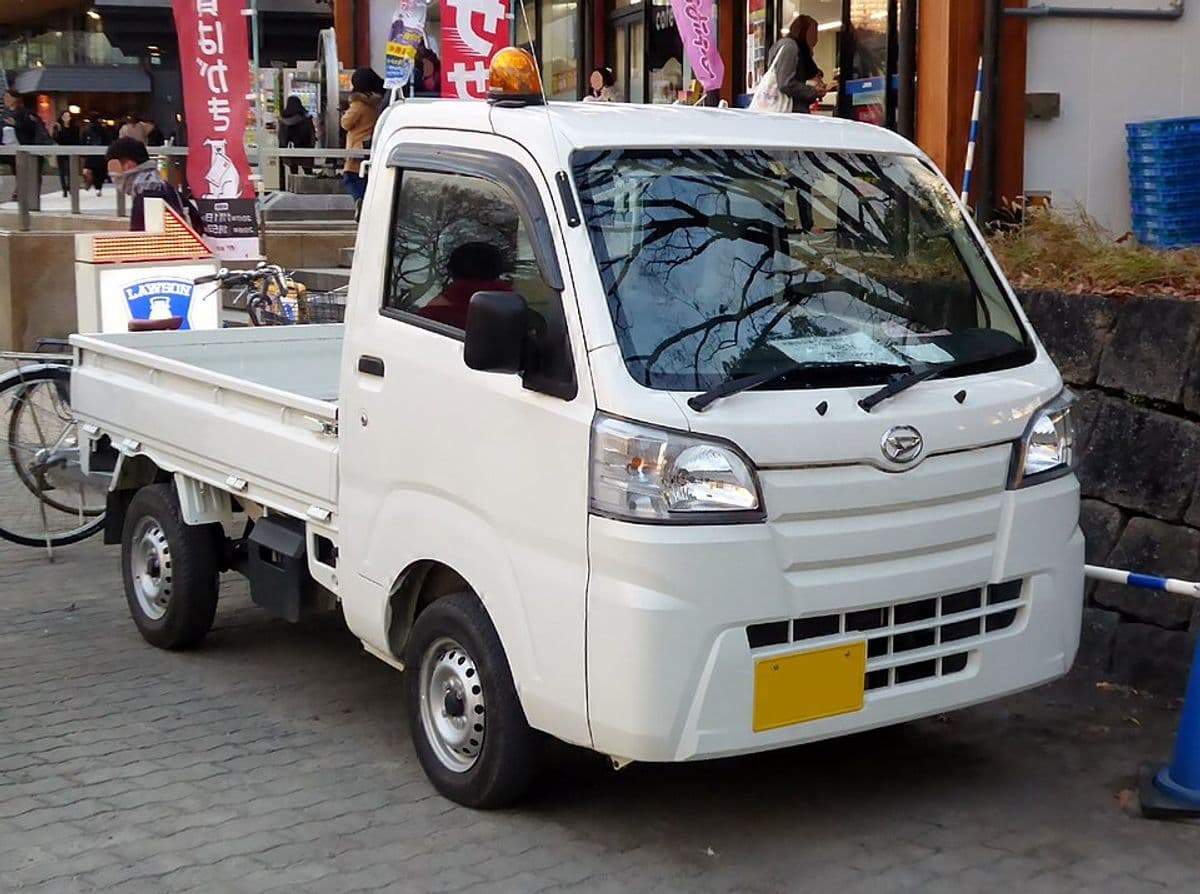
Daihatsu Hijet
1960-Present
Georgia farms in the southern half of the state want a workhorse that can sit outside in heat and humidity without rotting. The Hijet has the deepest parts pipeline of any kei truck and the AC actually works. Get a 4WD with the dump bed for chicken houses and pecan orchards.
What you CAN do in Georgia
Private property use is fully legal and no title or registration is required. Pecan orchards, cattle ranches, and chicken houses across south Georgia run kei trucks daily. If Georgia DOR sent you a revocation letter, the truck still works on your land. Trailer transport between properties is the only clean public road move.