Kei Truck & Kei Car Laws in New Hampshire (2026)
RestrictedNew Hampshire caps kei trucks at 35 mph posted roads and requires the state safety inspection that changed in 2025.
Are Kei Trucks Legal in New Hampshire?
Yes, kei trucks are legal in New Hampshire, but with significant restrictions. According to New Hampshire's low speed vehicle regulations, Japanese mini trucks like the Suzuki Carry, Honda Acty, and Daihatsu Hijet can be driven on public roads with posted speed limits of 35 mph or lower. If you're using your kei truck commercially, there's an additional limitation: you must stay within a 25-mile radius of your residence or business location.
These restrictions were established in 2010 and remain unchanged as of 2026. New Hampshire classifies kei trucks as Low speed Vehicles (LSVs), which allows them limited road access while acknowledging their design limitations for highway use.
For vehicles that are 25 years or older, you can take advantage of the NHTSA's 25-year import rule, which exempts them from Federal Motor Vehicle Safety Standards (FMVSS). For more details, check our complete guide to importing a kei truck from Japan. This makes older kei trucks easier to import and register, though state-level restrictions still apply.
How to Register a Kei Truck in New Hampshire
Registering your kei truck in New Hampshire is a two-part process that begins at your local town or city clerk's office. Here's exactly what you need to do:
Step 1: Gather Required Documents
Before visiting your town clerk, prepare the following:
- Proof of ownership: Vehicle title or bill of sale (if importing, you'll need customs documentation)
- Proof of residency: NH driver's license or utility bill
- Odometer disclosure statement: Required for vehicles under 10 years old
- Safety inspection certificate: Must be completed before registration (see Inspection section below)
- Proof of insurance: Liability insurance meeting NH minimum requirements
Step 2: Complete Safety Inspection
Your kei truck must pass a New Hampshire safety inspection before registration. Take your vehicle to any licensed inspection station to verify it has:
- Functional headlights, taillights, and turn signals
- Working seat belts for all seating positions
- Rearview and side mirrors
- Adequate braking system
- Horn and windshield wipers
Step 3: Visit Your Town Clerk
New Hampshire requires all motor vehicle registrations (except mopeds) to begin at the town or city clerk in your municipality. Bring all documents listed above.
Step 4: Pay Registration Fees
Registration fees in New Hampshire are based on vehicle weight. Most kei trucks weigh between 1,500-2,000 pounds, putting them in the lower fee brackets.
Expect to pay:
- State registration fee: Approximately $40-$60 (weight-based)
- Town/city fees: Varies by municipality
- Title fee: $25 (if titling for first time)
Step 5: Receive LSV Classification
Your kei truck will be registered as a Low speed Vehicle. This classification authorizes operation on roads with speed limits of 35 mph or less and imposes the 25-mile commercial radius restriction.
Restrictions and Limitations
Understanding New Hampshire's restrictions is crucial for legal kei truck operation:
Speed Limit Restrictions
Your kei truck is limited to roads with posted speed limits of 35 mph or lower. This restriction is strictly enforced. You cannot legally drive on:
- Interstate highways
- U.S. routes with speed limits above 35 mph
- State highways (most have 45-55 mph limits)
Commercial Use Radius
If you use your kei truck for any commercial purpose (transporting goods for business, carrying tools to job sites, or any for-profit activity), you must stay within a 25-mile radius of your residence or business address. This radius is measured by road distance, not as-the-crow-flies.
Equipment Requirements
All registered kei trucks must have:
- DOT-approved headlights and taillights
- Amber front turn signals
- Red rear turn signals and brake lights
- Windshield and functional wipers
- Horn audible from 200 feet
- Seat belts for all passengers
- Rearview mirror and at least one side mirror
Many Japanese kei trucks imported from right-hand-drive markets will need modifications to meet these standards, particularly lighting and mirror positioning.
Private Property Exemption
If you're using your kei truck exclusively on private property (such as a farm, large residential lot, or business campus), you don't need to register, insure, or inspect it. See how they stack up in our kei truck vs UTV comparison. This makes kei trucks popular among New Hampshire farmers and property owners.
Insurance Requirements
New Hampshire has unique insurance laws, but kei trucks don't benefit from the state's optional insurance policy. For more guidance, see our kei truck insurance guide.
Mandatory Liability Insurance
All motor vehicles operated on New Hampshire public roads, including kei trucks registered as LSVs, must have liability insurance. You cannot register your kei truck without proof of insurance coverage.
Minimum Coverage Requirements
Your insurance policy must meet New Hampshire's minimum liability limits:
- $25,000 for bodily injury or death to one person
- $50,000 for bodily injury or death to two or more people
- $25,000 for property damage
Finding Insurance for Kei Trucks
Not all insurance companies cover kei trucks. Companies known to insure Japanese mini trucks include:
- State Farm: Often covers kei trucks as utility vehicles
- Progressive: Has specialty policies for imported vehicles
- Hagerty: Offers classic and specialty vehicle insurance that may cover 25+ year old kei trucks
- American Modern: Specializes in non-standard vehicles
Call ahead to verify coverage before purchasing your kei truck. Be sure to review our pre-purchase inspection checklist. Some insurers may require photos and a mechanical inspection.
Inspection and Emissions
Major Changes: New Hampshire Killed Its Inspection Program and Won in Court
In 2025, New Hampshire lawmakers eliminated the annual vehicle safety inspection requirement for most passenger vehicles as part of the state's two year budget agreement. The repeal was set to take effect January 31, 2026. However, a federal judge issued a preliminary injunction on January 27, 2026 temporarily blocking the repeal, citing Clean Air Act violations.
The state fought that injunction and won. On February 4, 2026, the Executive Council denied the Department of Safety's request to extend its inspection contract with Gordon-Darby NHOST, Inc., leaving the state without an approved vendor to operate the inspection program. Then on April 30, 2026, the U.S. Court of Appeals for the First Circuit stayed the injunction, ruling that New Hampshire is likely to succeed on appeal. Eight days later, on May 8, 2026, Gordon-Darby voluntarily dismissed its lawsuit entirely, though the company vowed to send a new 60 day Clean Air Act notice and refile. The EPA has promised a ruling on New Hampshire's Clean Air Act waiver request by summer 2026, and that decision is still pending as of July 2026.
What this means for kei truck owners: The annual inspection mandate is effectively dead, not in limbo. No stations are authorized to issue state inspection stickers, and with the injunction stayed and the lawsuit withdrawn, there is nothing forcing the program back. The only wildcards are Gordon-Darby's threatened second lawsuit and the pending EPA waiver decision. Monitor the NH DMV inspections page for the latest guidance. Regardless of inspection status, all vehicles must still be safe to operate under New Hampshire law.
What Inspectors Check (When Required)
Licensed inspection stations examine:
- Brake system function and pad thickness
- Steering and suspension components
- Tire condition and tread depth (minimum 2/32")
- All lights and signals
- Seat belt condition and mounting
- Windshield condition (no cracks in driver's sight line)
- Horn operation
- Mirror positioning and condition
Emissions Testing
New Hampshire does not require emissions testing for any vehicles, including kei trucks. This is a significant advantage, as many imported kei trucks would struggle to meet emissions standards in states like California or New York.
Age-Based Exemptions
Vehicles over 25 years old benefit from federal import exemptions under the NHTSA 25-year rule, but may still need to pass New Hampshire's safety inspection for initial registration (pending resolution of the inspection program changes).
Tips from New Hampshire Kei Truck Owners
Based on community feedback and dealer recommendations, here are practical tips for owning a kei truck in the Granite State:
Best Areas for Kei Truck Use
New Hampshire's rural towns and smaller cities are ideal for kei trucks. Consider:
- Farmland communities: Many agricultural roads have 35 mph or lower limits
- Small town centers: Perfect for local deliveries within the 25-mile radius
- Lake regions: Great for camp maintenance and shoreline property work
- White Mountain region: Useful for ski resort maintenance and local errands
Working with Local Officials
Town clerks in rural New Hampshire are generally familiar with kei trucks and the LSV registration process. Larger cities like Manchester and Nashua may have less experience, so bring documentation showing the 35 mph restriction law.
Seasonal Considerations
New Hampshire winters can be harsh. Kei truck owners recommend:
- Installing a cab heater (many JDM models lack adequate heating)
- Using winter tires rated for snow and ice
- Storing in a garage to prevent battery issues in sub-zero temperatures
- Applying rust prevention treatment due to road salt
Dealers and Importers
Granite State Imports is a New Hampshire-based kei truck dealer that understands local registration requirements and can guide you through the process. Find importers near you in our dealer directory.
Modifications to Consider
Common upgrades for New Hampshire kei trucks include:
- LED light bar for improved visibility
- Aftermarket seat belts if originals don't meet DOT standards
- Upgraded mirrors for better visibility with right-hand-drive models
- Bed liner or dump bed conversion for work use
Frequently Asked Questions
Can I drive my kei truck on Route 101 or I-93?
No. New Hampshire restricts kei trucks to roads with posted speed limits of 35 mph or lower. Interstate highways and most state routes exceed this limit and are off-limits to LSVs.
Do I need a special license to drive a kei truck?
No special license is required. A standard New Hampshire driver's license (Class D) is sufficient to operate a kei truck registered as an LSV.
Can I use my kei truck for snow plowing?
Yes, as long as you stay on roads with 35 mph or lower speed limits. Many New Hampshire owners use kei trucks with plow attachments for driveways and private roads. If plowing commercially, remember the 25-mile radius restriction.
What if I get pulled over on a road faster than 35 mph?
Operating an LSV on roads exceeding the speed limit restriction can result in fines and potential vehicle impoundment. Officers have discretion, but don't risk it. Plan routes accordingly.
Are kei vans (like Honda Acty van) legal too?
Yes. The same LSV restrictions apply to kei vans, kei cars, and kei trucks. All must meet safety inspection requirements and follow the 35 mph speed limit rule.
Can I register a brand-new kei truck from Japan?
New kei trucks face challenges because they don't meet current FMVSS standards. The 25-year rule only applies to vehicles manufactured 25+ years ago. For newer imports, expect significant modification requirements or potential registration denial.
What happens if my town clerk says they can't register it?
Town clerks must follow state DMV guidelines. If you encounter resistance, politely reference the LSV classification rules and the 2010 regulations allowing kei trucks on 35 mph roads. You can also contact the NH Division of Motor Vehicles at (603) 227-4000 for clarification.
Useful Links
Here are essential resources for New Hampshire kei truck owners:
- NH Division of Motor Vehicles - Official DMV website for registration information
- Vehicle Registrations - New registration process details
- Vehicle Inspections - Safety inspection requirements and licensed stations
- NHTSA Importing a Vehicle - Federal import rules and 25-year exemption
- Granite State Imports FAQ - Local dealer specializing in kei trucks
- Hagerty Insurance - Specialty insurance for imported and classic vehicles
- r/keitruck Reddit - Community discussions and owner experiences
New Hampshire's approach to kei trucks strikes a balance between allowing these practical vehicles while maintaining safety standards. With proper registration and understanding of the restrictions, kei trucks can be valuable assets for rural property owners, small businesses, and enthusiasts throughout the Granite State. For information on kei truck laws in other states, check out our comprehensive complete state-by-state guide. Browse kei truck dealers in New Hampshire to find importers near you. If you're near the border, you may also want to check kei truck laws in Maine, Vermont, and Massachusetts.
What you can do in New Hampshire
Kei trucks are legal here under specific limits. Here are the three moves that matter.
Where you can drive
Posted 35 mph or under. No interstates, no high speed arterials.
Read the rule →Find a dealer in New Hampshire
Verified importers who know your state's registration process.
Browse dealers →When the rules change
Restrictions shift. We email you when New Hampshire updates.
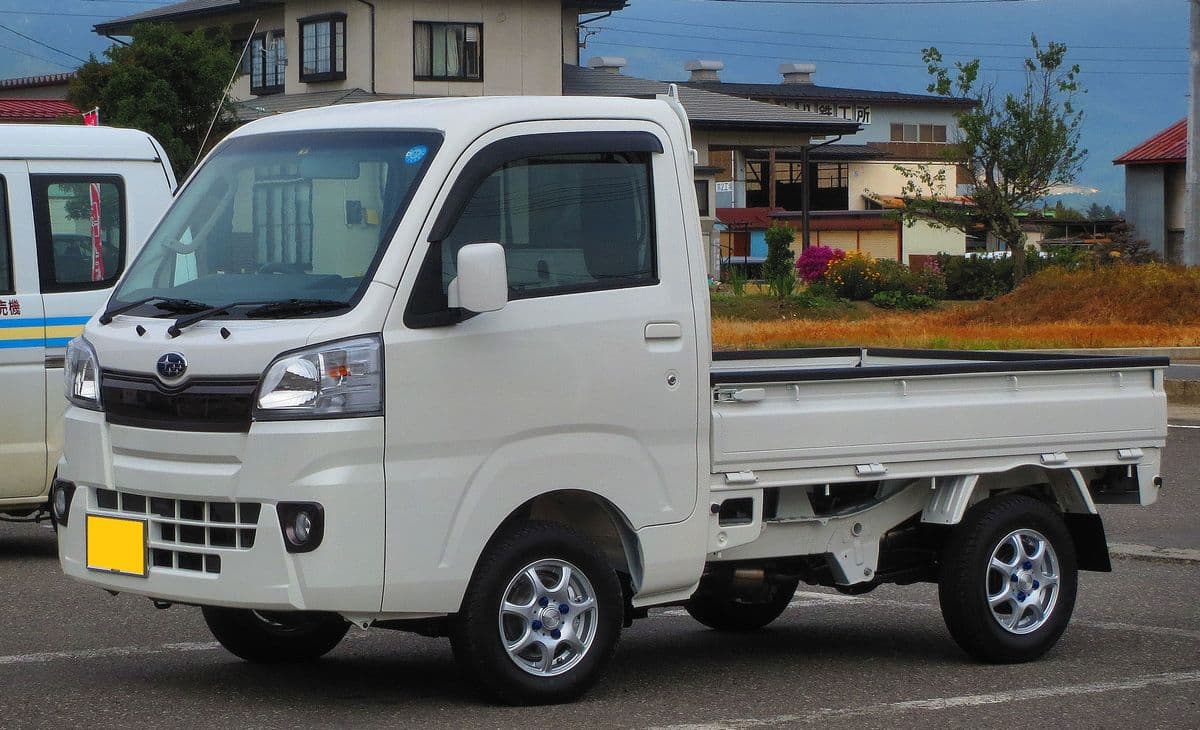
Subaru Sambar
1961-Present
White Mountain winters, North Country dirt roads, and a 35 mph cap that suits small town New Hampshire perfectly. The Sambar 4WD supercharged variant handles snow with rear engine traction, and at low speed the supercharger just sits there waiting. Granite State workhorse.