Kei Trucks in New York: The Fight to Overturn the DMV Ban Has Officially Started
New York won't register a kei truck at any age, but the advocates who flipped Texas and helped Vermont are now targeting Albany. Statewide press coverage has arrived, the arguments are on the table, and the DMV ban traces back to one 2011 report. Here's the state of the fight.

Advertisement
For two years the kei truck legalization wave has rolled through states most of the country couldn't place on a map without help. Texas, sure, that one made noise. But Vermont, Alaska, Massachusetts? Wins, all of them, and wins we covered. New York was the state everyone in the community quietly agreed was a lost cause: the DMV ban was absolute, the politics looked hostile, and nobody with organizing muscle was working the problem.
That changed this summer. On June 29, the Albany Times Union ran a Capitol Bureau story on the effort to legalize kei vehicles in New York, and the person leading that effort is David McChristian of Lone Star Kei, the same organizer behind the Texas legalization and the Vermont assist. One day later, a national think tank published a column arguing the entire regulatory wall around kei trucks defeats its own purpose. No bill has been filed in Albany yet, and that matters. But the sequence that preceded every other state win, organized advocacy plus mainstream press attention, is now running in the biggest prize on the board.
Why New York Says No
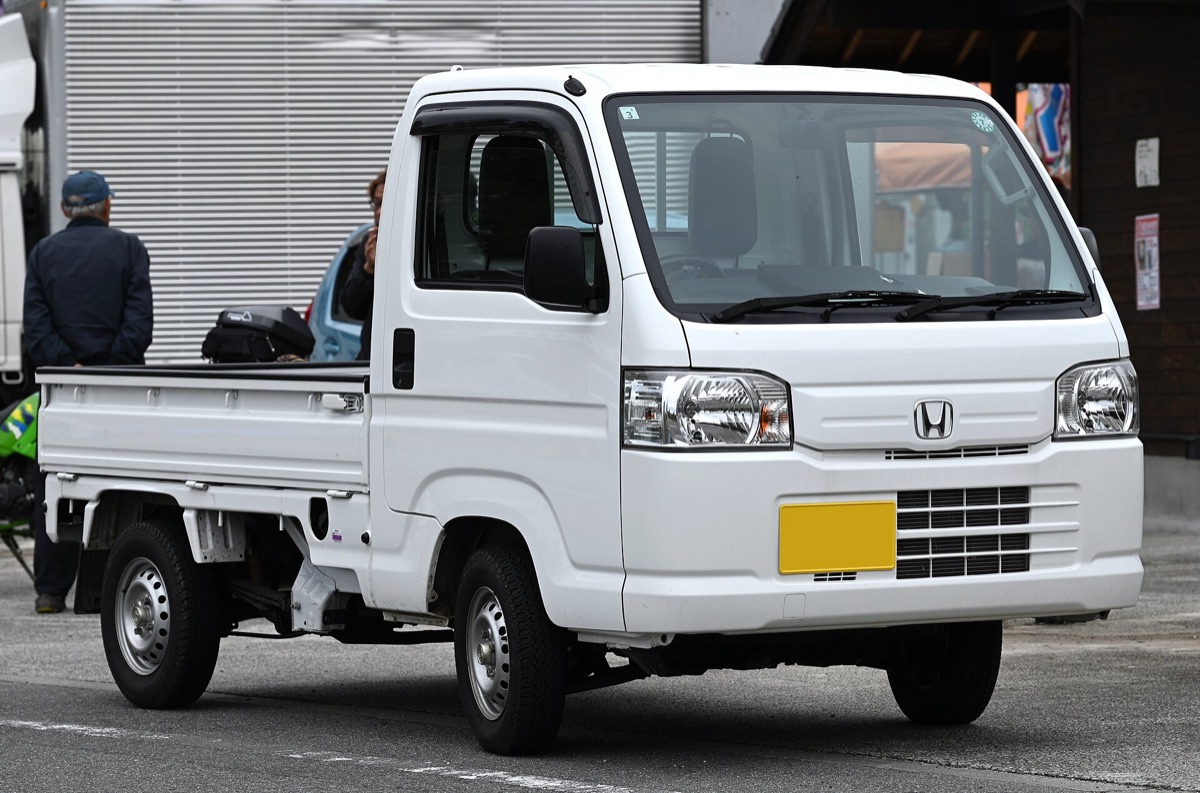
Start with what makes New York different from a merely unfriendly state. Plenty of states restrict kei trucks with speed caps or farm plates. New York prohibits them outright. According to the New York DMV's imported vehicle rules, no kei class vehicle gets registered or titled unless the owner proves it meets the Federal Motor Vehicle Safety Standards and EPA emissions requirements in effect when it was built. A Honda Acty or Suzuki Carry was never tested against FMVSS because it was never sold here, so the proof cannot exist. The requirement is not a hurdle, it's a wall dressed up as a hurdle.
The federal 25 year import exemption, which lets any vehicle over 25 years old enter the country without meeting NHTSA's import standards, does nothing for you at a New York DMV counter. The state simply layers its own compliance requirement on top of the federal exemption, and the truck that legally cleared customs becomes a lawn ornament the moment you try to title it. We break down the full mess, including the private property carve outs that do exist, on our New York kei truck law page.
The Ban Traces Back to One 2011 Report
Here's the part most New Yorkers in the hobby don't know: the ban isn't the product of a legislative debate or a crash study commissioned by Albany. It comes from a 2011 report by the American Association of Motor Vehicle Administrators, the trade association for DMV agencies. That report called kei trucks "mini-trucks," said they were not designed for US and Canadian roads, and recommended a total ban. Its most quoted line argues that by allowing used mini trucks on the road, the US is "accepting another nation's cast-offs."
That's the intellectual foundation of New York's position: a fifteen year old trade association memo, written before the current import boom existed, applied by administrative rule rather than by statute. It's the same document that spooked DMVs across the country into denial letters, and it's the document McChristian's group has spent three years teaching legislators to look past. Every state that legalized since 2025 did so after lawmakers actually read what a kei truck is, separate from the 25 mph Chinese off road mini trucks the AAMVA report lumped in with them.
The Texas Playbook Heads East
McChristian's story is worth knowing because it explains why New York is suddenly in play. A Texan who got hooked on kei cars through Gran Turismo, he bought his first kei truck in 2022 for $3,000 including import fees, got plates through a DMV clerk's fortunate mistake, then discovered hundreds of other owners holding denial paperwork. He founded Lone Star Kei to fix that, and in 2025 the Texas Legislature passed Senate Bill 1816, formally legalizing kei titling, registration, and road use. Then came Vermont's Act 153 win, where the same playbook, clean statutory language plus owner education days, went from ban rumor to signed law in about seven months. Massachusetts overturned its ban this year too.
Now he's aiming at Albany, and his reasoning is straight strategy. "Just like Texas, New York is a big state with a huge population. What Texas, California and New York do, other states tend to follow," McChristian told the Times Union. He's right about the mechanics. Small state wins prove a concept; big state wins move the default. If New York flips, the remaining holdout DMVs lose their best excuse, which is that the serious, dense, litigious states all say no.
The Loophole That Exposes the Logic
The Times Union piece includes an anecdote that should be Exhibit A in any Albany hearing. Dakota Crowley, a longtime Long Island resident, owns a 1997 Mitsubishi Pajero Junior, which is a near identical twin of the kei class Pajero Mini except for a 1.1 liter engine and wider fenders. When he went to register it, the clerk called DMV headquarters, and the question that decided everything was engine displacement. Over 660cc, registered. Under 660cc, banned. Same platform, same crash structure, functionally the same vehicle.
"The way Albany frames the law is kind of a little skewed and doesn't really make sense," Crowley told the paper, and he'd know: his 29 year old import returns 30 to 40 mpg driving into Manhattan, where a vehicle the size of a parking spot is a feature, not a bug. His sharper point is the comparison to antiques. New York will happily register a 1920 Model T with no airbags, no crumple zones, and wooden wheels, but draws the line at a 1997 kei truck. The 57,000 member r/keitruck community has been making this argument for years; it hits different in a statewide paper of record.
The Economics Albany Is Ignoring
The other half of the pressure is coming from the affordability angle, and it's a strong one. In a June 30 column, the Independent Institute's Scott Beyer laid out the numbers: the average new full size pickup in America now sells for $66,000, finding a decent used truck under $20,000 is getting hard, and brand new kei trucks sell in Japan for under $10,000. A vehicle that makes around 50 horsepower, hauls close to 1,000 pounds, and beats 35 mpg is exactly what a plumber, landscaper, or bodega supplier in Queens needs, and the state's answer is that they can't have it at any age.
Beyer also lands the argument that has always made the safety objection wobble: motorcycles offer zero crash protection and are legal everywhere, so the state clearly permits adults to accept risk. And the emissions objection collapses on contact, since current policy allows a 25 year old carbureted truck but would prohibit a cleaner brand new one. If you're weighing the actual costs of going the import route, our import guide walks through what a truck really costs landed, and the kei truck vs pickup comparison shows how far the price gap has stretched.
What Would Actually Have to Change
Two paths exist, and only two. The DMV could reverse its own registration policy, which it has shown zero appetite for in fifteen years. Or the Legislature could act, the way Texas and Vermont did, by defining kei vehicles in statute and directing the DMV to register them. The Times Union reports that efforts to push that kind of legislation are taking shape, but as of late July 2026 no kei bill exists in the New York Senate's legislation database. That's the honest gap between momentum and law: New York is where Vermont was in late 2025, organized and covered but not yet drafted.
The federal wildcard is still on the table too. President Trump said in December that he'd like US manufacturers approved to build kei class vehicles and tasked Transportation Secretary Sean Duffy with clearing obstacles to domestic production. Seven months later there's been no update, and even if federal rules changed for new production, New York's state level registration wall would stand until Albany moves. Anyone selling you a "kei trucks are about to be legal everywhere" story is skipping the part where each state has to do this individually.
If You're in New York Right Now
Nothing about this news changes what you can legally do today, so don't let momentum talk you into a purchase you can't register. Kei trucks remain fully legal on private property in New York, which is why Hudson Valley farms and Finger Lakes vineyards run them daily, and dealers in the state sell them for exactly that use. Check the dealer directory for importers operating in New York, and go in knowing that under the state's dealer disclosure rules they're required to tell you road registration is impossible. Skip the Montana LLC schemes; New York residency rules make out of state plates a fraud citation waiting to happen.
If you want plates, the near term answer is geography. Vermont registers kei trucks as regular vehicles as of July 1, and the full picture of which states say yes, no, or maybe lives in our state legality guide. And if you're a New Yorker who wants the law changed, the lesson from every winning state is identical: organized owners showing up beat internet complaining every single time. Lone Star Kei got Texas done with hundreds of denial letters and a binder of clean statutory language. Albany will need the same.
The Bottom Line
New York just became the most important kei truck fight in the country. The ban rests on a 2011 trade association report, not a statute, and the advocate with the best win record in the movement has publicly named New York as his next target. The press coverage has started, the affordability argument is landing at exactly the moment new trucks cost $66,000, and specialty insurers like Hagerty already write policies for these trucks in states that allow registration, so the infrastructure for ownership is waiting. The Pajero Junior loophole shows how thin the state's logic is. What's missing is a bill, a sponsor, and the seven to twelve months of committee grind every other state win required. Watch this one. If Albany falls, the map doesn't just gain a state, it tips.
Advertisement


