Nissan Sakura Review: The Kei EV Europe Wants to Copy
Auto Express drove the Nissan Sakura in Tokyo: a 20 kWh kei EV that has been Japan's best selling electric car four years running and the template for Europe's new small EV class. Here is what it gets right, and why neither Europe nor America can buy one.
The Nissan Sakura makes 63 horsepower, runs on a 20 kWh battery, and is 260 mm narrower than the smallest Toyota sold in Europe. It has also been Japan's best selling EV four years running, and right now it is the car European regulators keep pointing to when they describe the cheap electric car they want their own industry to build. Auto Express sent Jordan Katsianis to Tokyo to see whether a kei car can carry that much weight. His answer: it suits Europe's old streets better than most of what Europe actually sells. Ours is sharper. The car everyone wants to copy is the one car neither Europe nor America can buy.
What Auto Express Found on Yokohama's Back Streets
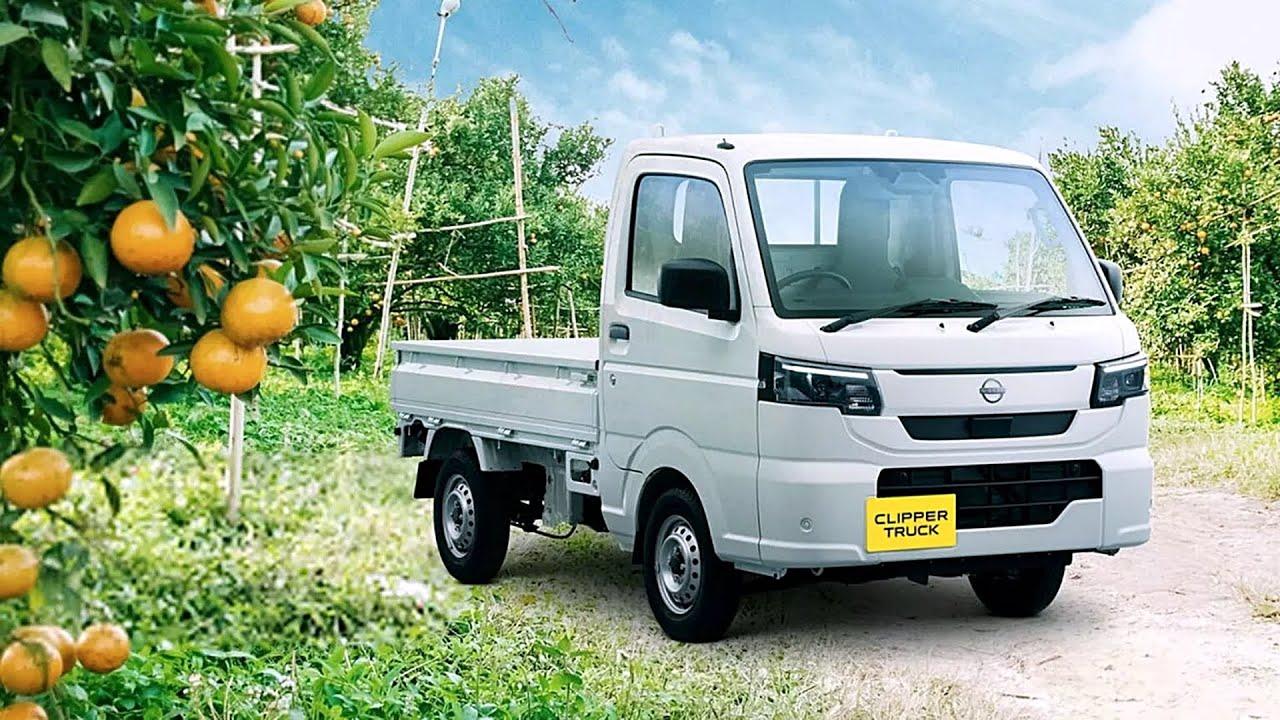
Katsianis drove the Sakura through tight residential streets in Yokohama, and the width hits first. Kei rules cap a car at 3,400 mm long and 1,480 mm wide, and from the driver's seat that puts the passenger door right at your elbow. The payoff is a car that slips down alleys with room to spare for pedestrians and cyclists, which, as his written review for Auto Express points out, is exactly the problem in a medieval British village lane or a London back street.
The surprise is how it drives. With 195 Nm of torque against 63 bhp, the Sakura feels quicker than European petrol city cars, and Katsianis praises the calibration: no lurching, no jerky stops, regenerative braking as strong as any modern EV. The cabin is the other eye opener. A tall body over an underfloor battery leaves real head and legroom in the back of a car only 3,395 mm long, and the dash ignores every European trend, with no center console and the gear selector mounted up by your knee.
The Numbers Behind Japan's Best Selling EV
Strip the charm away and the spec sheet is modest. Nissan's launch release from May 20, 2022 lists a 47 kW motor, 195 Nm, a 130 km/h top speed, and up to 180 km (112 miles) of range on Japan's WLTC cycle. A quick charge takes about 40 minutes from the low battery warning to 80 percent; a normal charge takes about eight hours. It also brought ProPILOT Park, a system that steers, brakes, and shifts its way into a parking space, to a minivehicle for the first time, and the battery can run a house for a day during an outage.
None of that reads like a sales monster. Then look at the run CleanTechnica tallied:
| Year | Sakura sales in Japan |
|---|---|
| 2022 (on sale from summer) | 21,887 |
| 2023 | 37,140 |
| 2024 | 22,926 |
| 2025 | 14,093 |
The 2025 drop came as Japan's whole electric passenger car market shrank, and the Sakura still finished on top for the fourth straight year.
Nissan answered the new rivals with a light facelift in April. According to Carscoops, the X and G grades get a body colored grille styled after the new Leaf, the X now comes standard with the around view monitor, heated front seats, and a heated steering wheel, and a 1,500 W AC outlet joins the options list. Motor and battery are unchanged. The facelifted X starts at ¥2,448,600, and Japan's ¥580,000 clean energy subsidy brings that to about ¥1,870,000, roughly $11,800.
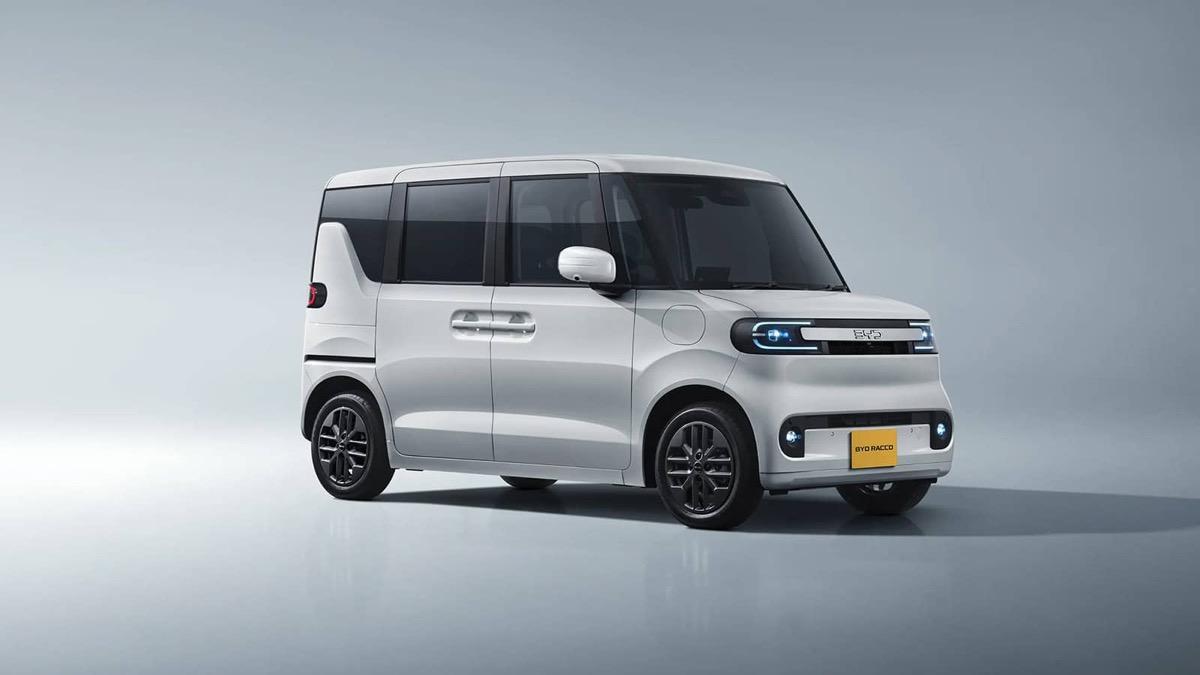
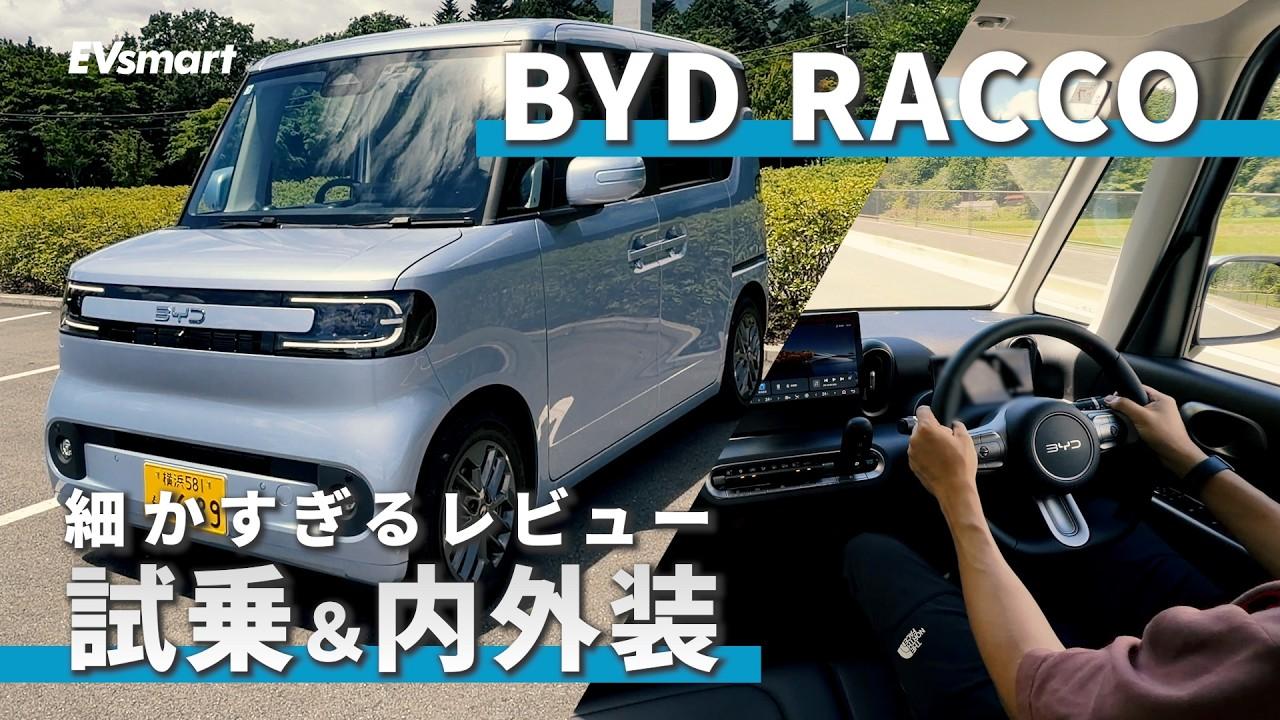
That subsidy is the Sakura's real moat. The BYD Racco lists for less at ¥2,145,000 and offers up to 320 km on its bigger battery, but it qualifies for only ¥150,000 of subsidy, so the facelifted Sakura X still lands cheaper than the cheapest Racco. Suzuki's e Sky pulls 193 miles from a 26 kWh pack, and Honda's electric N-VAN e: covers the work van side. The Sakura has more competition than ever, and it is still winning on price.
Why Europe Is Copying It, and Why It Can't Buy It
A Japanese kei car is showing up in Brussels because of a new vehicle class called M1E. In December 2025 the European Commission proposed a subcategory of small electric passenger cars, loosely inspired by kei rules but far roomier: up to 4.2 m long against kei's 3.4 m. The Commission also wants to freeze the class's technical requirements for ten years so manufacturers can plan around them.
That freeze is the fight. The European Transport Safety Council warns it would lock in outdated safety requirements and create a two tier safety system on roads where pedestrians and cyclists already account for a large share of deaths. On November 4, Parliament's environment, internal market, and transport committees backed their version of the package 105 to 39 with 21 abstentions, per the European Parliament's press release. Their text defines small electric vehicles as passenger cars up to 4.2 m long and made in the EU, backed by super credits against CO2 targets. The full Parliament is expected to vote on its negotiating mandate in December, and only then do talks with member governments start. Nothing is law yet.
Read that "made in the EU" clause again. The Sakura is built in Japan, at Mitsubishi's Mizushima plant in Okayama. As drafted, the car Europe studied as its template could never qualify for the class it inspired. M1E is less about kei cars than about getting a cheap European EV into showrooms before Chinese brands fill the gap, and Auto Express says as much: the goal is the empty £10,000 to £15,000 slot in European dealerships.
Can You Buy a Nissan Sakura in the US?
No, and not soon. America's version of this story is a press conference. In December 2025 the president said he had approved tiny cars to be built here, and we covered what would actually have to change for that to mean anything. A search of the Federal Register on November 18, 2026 turned up no NHTSA document mentioning kei vehicles since then. Europe has a proposal, committee amendments, and a plenary vote on the calendar. We have a quote.
For the Sakura itself the math is simple. It was never certified to US safety standards, so the only realistic route is the 25 year import rule, and the earliest 2022 builds do not turn 25 until 2047.
The Bottom Line
Watch the Auto Express video for the best five minute case for kei cars you will see this year, and notice how little it has to argue. MotorTrend came away just as charmed after its own Tokyo drive. But Europe is borrowing the Sakura's idea, not the Sakura, and America has not even started borrowing. If you want a small Japanese vehicle on American roads today, the answer is still a 25 year old kei truck or kei car and a state that will plate it. Check your state in our kei vehicle legality guide, then find a seller in the dealer directory.