Kei Truck Legalization Just Went Mainstream: Think Tanks and Off Road Brands Are Making the Case Now
A national think tank, a major off road retailer, and Hackaday all published kei truck legalization arguments within one week this summer. The fight just left the enthusiast bubble, and that changes the politics.

Advertisement
Kei Truck Legalization Just Went Mainstream: Think Tanks and Off Road Brands Are Making the Case Now
For years, the case for legalizing kei trucks lived in three places: Reddit threads, YouTube comment sections, and the occasional local news story about a farmer fighting his DMV. That era just ended. Between June 30 and July 6 of this year, a national policy think tank published a full throated legalization argument, one of the biggest off road parts retailers in the country ran a 15 minute explainer for its customer base, and Hackaday covered a Detroit startup designing an American kei truck from scratch.
Three completely different audiences. One week. Same conclusion: the rules blocking these trucks make no sense.
That is not a coincidence. That is what it looks like when an argument escapes the enthusiast bubble and becomes a normal thing that normal publications say out loud. And if you own a Suzuki Carry or you are shopping for one, the mainstreaming of this fight matters more than any single state bill this year.
A Think Tank Just Made the Case for Your Mini Truck
On June 30, the Independent Institute, a national policy research organization based in Oakland, published an editorial by Scott Beyer titled It's Time To Legalize Kei Trucks. Beyer runs the Market Urbanism Report, and his framing is the one this community has been screaming into the void for a decade: kei truck restrictions are a cost of living problem, not a safety debate.
His numbers do the heavy lifting. A brand new full size pickup now averages $66,000 in America. Finding a decent used truck under $20,000 has become genuinely hard. Meanwhile, brand new kei trucks sell in Japan for under $10,000, haul close to 1,000 pounds, and return better than 35 mpg. A plumber or landscaper who needs to move tools and material around town does not need a four door truck that tows 15,000 pounds. He needs a bed, a cab, and a fuel gauge that moves slowly.
Beyer also lands the two counterarguments cleanly. On safety: motorcycles offer zero crash protection and remain fully legal in all 50 states, so the claim that Americans cannot be trusted to choose a 50 horsepower truck with a roof and seatbelts falls apart on contact. On emissions: current policy allows a carbureted 1999 truck through the 25 year import rule while banning the cleaner, fuel injected 2026 version of the same vehicle. If clean air were the actual concern, the policy would be inverted.
None of these arguments are new to anyone reading this site. What is new is who is making them. Policy institutes publish this stuff to influence legislators and their staff, not to entertain gearheads. When the legalization case starts circulating in those channels, state bills stop being novelty items and start being agenda items.
The Off Road Industry Ran the Numbers Too
One day after the Beyer piece, Forged 4x4 published a long explainer asking whether kei trucks are finally coming to America. This is a company that sells parts to the Jeep and full size truck crowd, which makes it exactly the audience kei trucks supposedly cannot reach. Their editorial team came away impressed and, more importantly, honest about the legal picture.
Their core point deserves repeating because viral posts keep getting it wrong: this is an import wave, not a new vehicle launch. Nothing in federal law changed to make kei trucks suddenly legal. The calendar did the work. Every year, another model year of the Honda Acty, Carry, and Hijet crosses the 25 year threshold and becomes importable, and Japan built these trucks in enormous numbers. Add social media discovery and the price shock of the domestic truck market, and a niche became a market. Forged 4x4 pegs typical landed prices between $7,000 and $15,000 depending on condition and configuration, which tracks with what we see from importers week to week.
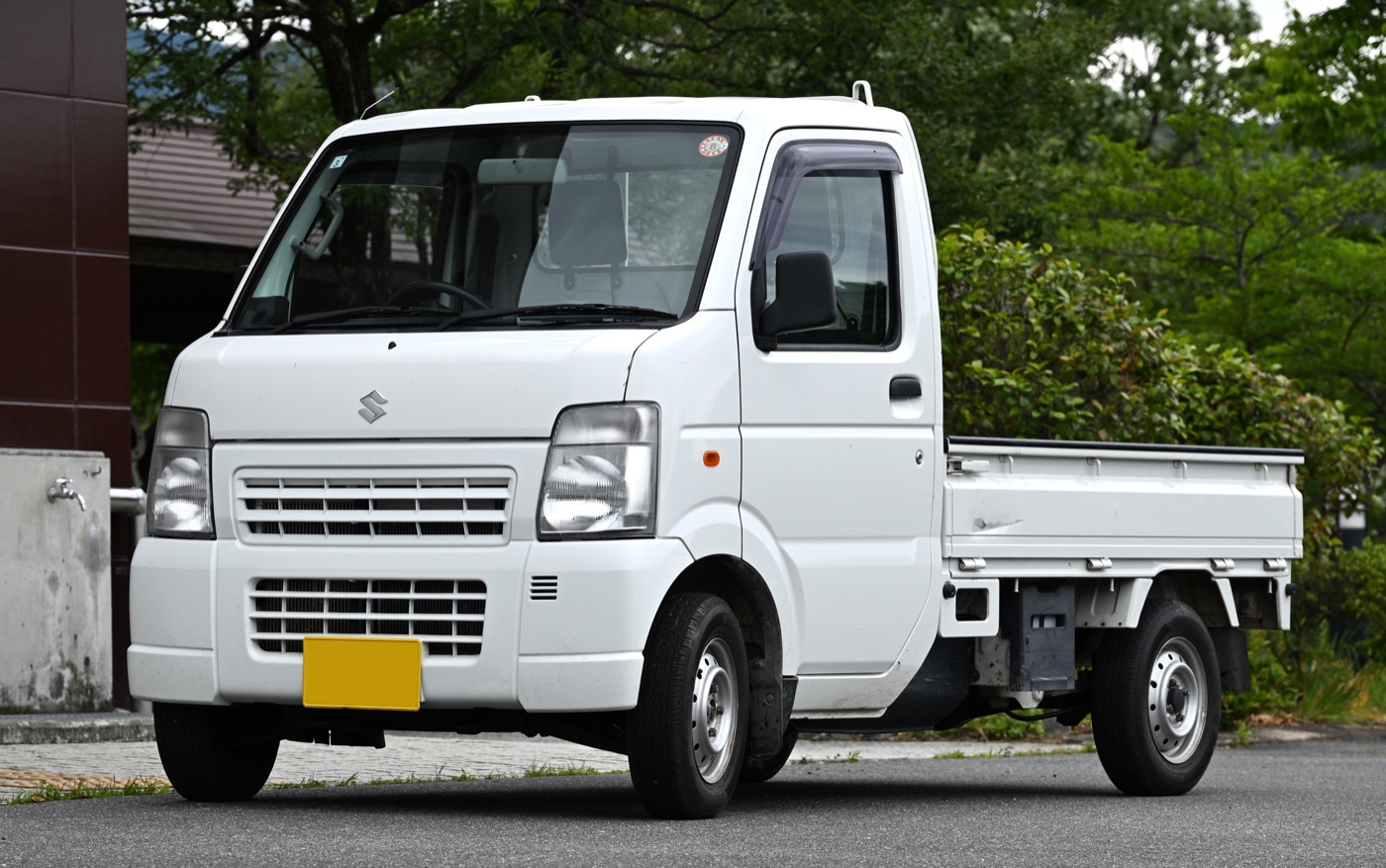
The piece is also blunt about the trap that catches new buyers: state registration. A truck can clear customs legally and still be unregisterable where you live. That gap between federal import legality and state title policy is the single most common painful surprise in this hobby, and it is why we tell everyone to check the state legality guide before wiring money to anyone. When mainstream retail brands start educating their customers about title paths and right hand drive scrutiny, the market is maturing fast.
Why These Arguments Land in 2026
Timing explains most of this. The affordability argument writes itself when the average new vehicle transaction sits near record highs and the cheapest new pickup on sale costs more than triple a landed kei truck. And the political ground shifted after the White House started talking about mini trucks by name. We covered the Trump kei truck directive in detail back in March: the president called the trucks cute, told Transportation Secretary Sean Duffy to clear the regulatory deck, and floated domestic production that would sidestep the 25 percent Chicken Tax on imported light trucks.
Beyer's editorial explicitly endorses that deregulation push, which tells you something about how the politics have scrambled. Kei trucks now have fans across the spectrum: libertarians who see regulatory overreach, urbanists who see right sized vehicles, farmers who see a $9,000 workhorse, and tinkerers who see the last honest vehicle platform. Very few automotive policy issues assemble that coalition.
The federal reality has not moved, though. Every new vehicle sold in the US still has to meet Federal Motor Vehicle Safety Standards, and NHTSA's import rules still make the 25 year exemption the only practical path for a kei truck. Rulemaking to create a new vehicle class would take years even with sustained political will. The think tank pieces and retailer explainers do not change that timeline. What they change is the environment the next round of state bills lands in.
The States Still Hold the Keys
Every practical kei truck question in 2026 is still a state question, and the scoreboard is messy. Texas showed what winning looks like: Senate Bill 1816 formally legalized titling, registration, and road use in 2025 after years of DMV inconsistency, and it became the template other legalization campaigns now cite. Alaska and Vermont followed with clean legalization wins this year.
The other direction is just as real. Beyer's editorial calls out Rhode Island and Georgia for refusing to title or register many kei trucks, and our own 50 state law audit found that four states everyone assumed were fully legal actually carry statutory speed restrictions, while Illinois has been actively revoking plates from trucks it registered years ago. Oregon's reform bill died. The pattern is unmistakable: states are being forced to pick a lane, and mainstream attention accelerates the picking. Legislators who had never heard of a kei truck in 2024 now have constituents forwarding them think tank editorials.
Detroit's Answer: Build One Here
The third piece of the week was the strangest and maybe the most interesting. On July 6, Hackaday covered Andy Didorosi's open source kei truck project, being designed at his factory in Detroit under the Mutiny banner. The plan is a two track product: a fully assembled electric truck compliant with federal Low Speed Vehicle rules, legal on roads posted at 35 mph or below, plus a kit version that builders assemble themselves and register under state kit car rules, which in most states means it can be geared for highway speeds.
We broke down the full design in our video coverage of the Mutiny project, but the significance here is the framing. Hackaday treated an American kei truck as a serious engineering answer to a real market gap, comparing it to a decade of failed open source vehicle attempts like OScar and Wikispeed. The skeptics in the comments raised fair points about hub motors and unsprung weight. Nobody questioned whether the vehicle category made sense. That argument is over.
Think about what that means. The demand signal for kei trucks is now strong enough that people are designing new vehicles from scratch to serve it, because the imported supply is legally capped at trucks 25 years and older. That is a market distortion you can see from space.
What Mainstream Attention Actually Changes
Here is the honest read on what this summer's coverage does and does not do for you.
| What changes | What does not change |
|---|---|
| State legislators face growing constituent pressure | FMVSS still blocks new kei truck sales |
| Legalization bills get think tank citations | The 25 year rule remains the import path |
| Buyer pool keeps widening beyond enthusiasts | State DMV policy still varies wildly |
| More press means more parts and service infrastructure | Landed prices stay firm or keep climbing |
The price implication is the one to act on. Forged 4x4 expects prices to hold firm precisely because demand has spread from import nerds to farmers, contractors, municipalities, and vacation property owners. Auction inventory on sites like Goo-net Exchange is deep, but the days of $4,000 landed trucks are gone and they are not coming back. Every mainstream article minted new buyers who did not know these trucks existed in January.
If you have been waiting for some regulatory breakthrough to make buying easier or cheaper, this week of coverage should update your thinking. The breakthrough is not coming on a federal timeline that helps you. The trucks that are legal today, imported under the current import process, are the same trucks that will be legal next year, except next year they will cost more and the cleanest examples will already be in someone else's barn.
The Bottom Line
The last week of June 2026 will look like a turning point in retrospect. A national think tank made the economic case for kei trucks. A mainstream off road retailer taught its customer base how the import market actually works. Hackaday covered an American startup building a kei truck because the imported ones are artificially scarce. The argument for legalization is no longer a niche enthusiast position; it is a normal policy opinion held by normal institutions.
None of that changes federal law this year. It does change the trajectory. State legalization campaigns now have citable ammunition from credible institutions, and legislators are hearing about mini trucks from constituents who read policy blogs, not just from the guy with the right hand drive Hijet at the feed store. If your state is on the wrong side of the map, the next legislative session is the time to make noise, and communities like r/keitruck are where those campaigns keep getting organized.
And if you are on the fence about buying: the mainstream just showed up to your niche hobby. Prices respond to that. Act accordingly.
Advertisement


