Kei Truck & Kei Car Laws in Idaho (2026)
LegalIdaho registers kei trucks for road use, but sources disagree on whether all roads or only 35 mph and under are open, so call your local ITD before buying.
Are Kei Trucks Legal in Idaho?
Yes, kei trucks are legal to register and operate on public roads in Idaho. Idaho treats kei trucks under standard vehicle import regulations and does not impose specific prohibitions on these Japanese mini trucks. For more details, check our complete guide to importing a kei truck from Japan. As of 2026, you can legally register and drive a Suzuki Carry, Honda Acty, Daihatsu Hijet, or Mitsubishi Minicab in Idaho, provided the vehicle meets federal import requirements and Idaho's registration standards.
However, there is conflicting information about road restrictions. Some sources indicate kei trucks are allowed on all roads, including state transportation board roads, without explicit speed restrictions. Other sources suggest kei trucks are limited to roads with speed limits of 35 mph or lower and cannot be driven on interstate highways, major thoroughfares, or roads exceeding 35 mph speed limits.
Under federal law, kei trucks must comply with the NHTSA 25-year import rule. Vehicles manufactured 25 or more years ago are exempt from DOT and EPA compliance requirements, making them eligible for legal import. This means a 2001 or older kei truck can be imported and registered in Idaho as of 2026.
Idaho's permissive approach makes it an attractive state for kei truck ownership, particularly for agricultural, recreational, and light commercial use. See how they stack up in our kei truck vs UTV comparison. However, confirming specific road restrictions with the Idaho Transportation Department before purchasing is advisable. Be sure to review our pre-purchase inspection checklist.
How to Register a Kei Truck in Idaho
Idaho's registration process for kei trucks follows the standard procedure for imported vehicles with an additional VIN inspection requirement:
Step 1: Federal Import Compliance Before registering in Idaho, ensure your kei truck has been legally imported:
- Vehicle must be 25+ years old
- U.S. Customs Form 3299 (Declaration for Free Entry of Unaccompanied Articles)
- Bill of Lading and export certificate from Japan
- Proof of EPA and DOT exemption (age-based)
Step 2: VIN Inspection Idaho requires a VIN inspection for all imported vehicles. Schedule an inspection with:
- County assessor's motor vehicle office
- Idaho Transportation Department representative
- Local law enforcement agency
Cost: $5
The inspector will verify the Vehicle Identification Number matches your documentation and confirm the vehicle's identity.
Step 3: Gather Required Documents
- Original vehicle title or export certificate
- Bill of sale showing purchase price
- VIN inspection certificate
- Idaho driver's license or state ID
- Proof of Idaho auto insurance
- Customs clearance documentation
Step 4: Modifications for Compliance (If Needed) Some kei trucks may require modifications to meet Idaho safety standards:
- Seat belts for all seating positions
- Adequate lighting systems (headlights, taillights, turn signals, brake lights)
- Functional horn
- Mirrors (driver's side minimum)
- Windshield wipers
Most modern kei trucks (1990s and newer) already meet these requirements, but inspect your vehicle before registration.
Step 5: Visit County Assessor's Motor Vehicle Office Idaho vehicle registration is handled at the county level. Visit your county assessor's motor vehicle office in person with all required documents.
Step 6: Complete Registration Application Fill out Idaho's vehicle registration application. The clerk will review your paperwork, VIN inspection certificate, and insurance documentation.
Step 7: Pay Registration Fees Idaho registration fees are based on vehicle age, weight, and value. Kei trucks typically weigh 1,500-2,200 pounds, placing them in lower fee tiers.
Expect to pay approximately $40-90 annually, plus one-time title fees if obtaining an Idaho title.
Step 8: Receive License Plates Once approved, you'll receive Idaho license plates and registration documents valid for one year. Idaho requires annual registration renewal.
Additional Requirement for Model Year 2011 and Newer: Vehicles from model year 2011 and newer under 16,000 pounds require odometer readings at registration. Since most importable kei trucks are 25+ years old (model year 2000 or earlier), this typically won't apply.
Restrictions and Limitations
Idaho's kei truck regulations are relatively permissive, but understanding restrictions ensures legal compliance:
Road and Speed Restrictions
Conflicting Information Alert: Sources provide inconsistent information about Idaho road restrictions for kei trucks:
- Some sources state: Kei trucks can operate on all roads without speed-based restrictions, including state highways.
- Other sources state: Kei trucks are limited to roads with speed limits of 35 mph or lower and prohibited from interstates, major highways, and roads exceeding 35 mph.
Recommendation: Contact the Idaho Transportation Department directly to confirm current road usage restrictions. Idaho's maximum speed limit in residential, business, and urban districts is 35 mph unless otherwise posted, which may relate to kei truck restrictions.
Practical Considerations: Even if Idaho allows kei trucks on all roads legally, most kei trucks have top speeds of 50-65 mph, making high-speed interstate travel potentially unsafe. Many Idaho owners voluntarily limit kei trucks to local roads, farm use, and low speed applications.
Equipment Requirements All Idaho motor vehicles must have:
- Working headlights, taillights, brake lights, and turn signals
- Functional windshield wipers
- Adequate mirrors
- Operational horn
- Seat belts for all occupants
- Minimum tire tread depth (2/32 inch)
Commercial Use Kei trucks used for commercial purposes (farming, landscaping, business deliveries) may require:
- Commercial vehicle registration
- Business operating authority
- Additional insurance coverage
Contact your county assessor's office for guidance on commercial registration.
Insurance Requirements
Idaho requires all motor vehicles to carry minimum liability insurance:
- $25,000 per person for bodily injury
- $50,000 per accident for bodily injury
- $15,000 per accident for property damage
Finding Kei Truck Insurance in Idaho Most major insurance providers will offer liability coverage for properly titled and registered kei trucks:
- State Farm
- Progressive
- Geico
- Allstate
- Farmers Insurance
Idaho's rural character and familiarity with unusual farm and utility vehicles generally makes insurers more accommodating of kei trucks compared to urban states. For more guidance, see our kei truck insurance guide.
Expect to pay $300-700 annually for basic liability coverage, depending on your driving record, location, and coverage limits. Comprehensive and collision coverage may be available but could cost significantly more due to limited parts availability and vehicle valuation challenges.
Classic Vehicle Insurance Specialty insurers like Hagerty and Grundy offer classic vehicle policies for kei trucks 25+ years old. These policies typically:
- Require minimum vehicle value ($3,500+ for Hagerty)
- Provide agreed-value coverage rather than depreciated actual cash value
- Restrict daily commuting and annual mileage (often 2,500-5,000 miles/year)
- Offer lower premiums ($250-500 annually)
Classic insurance works well for recreational kei truck use but not for daily work trucks or commuter vehicles.
Pro Tip: When obtaining quotes, reference your kei truck by make and model (e.g., "1995 Honda Acty truck") rather than using the term "kei truck," which some agents may not recognize.
Inspection and Emissions
Idaho does not require periodic safety or emissions inspections for most passenger vehicles, making kei truck ownership simpler:
No Annual Inspection Requirement Unlike many states, Idaho does not mandate annual safety inspections for standard passenger vehicles. Once your kei truck is registered, you won't need recurring inspections to maintain registration.
VIN Inspection (One-Time) The only inspection requirement is the initial $5 VIN inspection when first registering an imported vehicle. This one-time inspection verifies vehicle identity and VIN authenticity.
No Emissions Testing Idaho does not have statewide vehicle emissions testing programs. Your kei truck, regardless of fuel type (gasoline, diesel, or modified), will not require emissions testing.
Off-Highway Vehicle (OHV) Distinction Don't confuse street legal kei trucks with off-highway vehicles. If you register your kei truck for street use, follow standard vehicle regulations. Off-highway vehicle registration is a separate category for vehicles limited to trails and designated OHV areas.
Commercial Vehicle Inspections If you register your kei truck as a commercial vehicle, different inspection requirements may apply. Contact the Idaho Transportation Department for commercial vehicle regulations.
Tips from Idaho Kei Truck Owners
Idaho's outdoor culture and agricultural economy create an ideal environment for kei truck ownership. Here are practical tips from Idaho owners:
1. Embrace Agricultural and Recreational Use Idaho kei truck owners frequently use their vehicles for:
- Farm and ranch chores (feeding livestock, moving supplies)
- Hunting and fishing access to remote areas
- Property maintenance and landscaping
- Firewood hauling and outdoor projects
Kei trucks excel in these applications, offering maneuverability and efficiency.
2. Prepare for Winter Conditions Idaho winters can be harsh. Equip your kei truck with:
- All-terrain or snow tires
- Engine block heater for cold starts
- Winterization for fuel lines and coolant systems
- Bed covers or tarps to protect cargo
Many kei trucks have 4WD or AWD options, which are valuable for Idaho's varied terrain and winter weather.
3. Join Idaho Kei Truck Communities Connect with other owners through:
- r/keitruck subreddit
- Idaho-specific Facebook groups for mini trucks
- Local agricultural and automotive forums
Idaho's growing kei truck community shares parts sources, modification tips, and local knowledge.
4. Source Parts Proactively Kei truck parts aren't available at typical auto parts stores. Our kei truck parts guide has a deep dive on the best suppliers. Establish relationships with:
- Online Japanese mini truck parts suppliers
- Local importers and specialty shops
- eBay and international parts vendors
Keep common maintenance items (filters, belts, brake pads) on hand to avoid downtime.
5. Understand Local vs. State Regulations While Idaho state law governs registration, some municipalities may have local ordinances affecting kei truck use. Verify local regulations if you live in incorporated cities or towns.
6. Document Your Registration Success If you successfully register a kei truck, document the process and share your experience online. Your information helps future Idaho kei truck owners navigate registration.
Frequently Asked Questions
Q: Can I drive my kei truck on Idaho highways and interstates? A: This is currently unclear. Some sources indicate no restrictions, while others suggest limitations to roads with 35 mph or lower speed limits. Contact the Idaho Transportation Department for official guidance. Regardless of legality, safety considerations may discourage high-speed interstate use.
Q: Do I need a special license to drive a kei truck in Idaho? A: No. A standard Idaho driver's license is sufficient for operating passenger vehicles, including kei trucks.
Q: Can I register a right-hand-drive kei truck in Idaho? A: Yes. Idaho does not prohibit right-hand-drive vehicles. Kei trucks are typically right-hand drive due to their Japanese origin.
Q: Are diesel kei trucks legal in Idaho? A: Yes. Idaho has no emissions testing, and diesel kei trucks are permitted. Ensure the vehicle meets basic safety equipment requirements.
Q: Can I use a kei truck for my farm or business in Idaho? A: Yes. Many Idaho owners use kei trucks for agricultural and commercial purposes. Commercial use may require commercial registration and appropriate insurance.
Q: What counties in Idaho are most kei-truck friendly? A: Rural agricultural counties (Ada County, Canyon County, Kootenai County) tend to have more familiarity with unusual utility vehicles. However, Idaho's county-administered system should provide consistent statewide registration.
Q: How do I get a kei truck to Idaho if I buy it out of state? A: You can drive it if it's already registered elsewhere, ship it via auto transport, or haul it on a trailer. Once in Idaho, complete the VIN inspection and registration process.
Useful Links
- Idaho Transportation Department - DMV
- Ada County Assessor - Vehicle Registration
- Idaho Vehicle Title and Registration (DMV Chapter 10 PDF)
- NHTSA Vehicle Importation Guidelines
- Idaho Off-Highway Vehicle Registration
- r/keitruck Community
- Hagerty Classic Vehicle Insurance
- Oiwa Garage - Idaho Kei Truck Guide
Bottom Line: Idaho offers a welcoming environment for kei truck ownership with straightforward registration, no ongoing inspections, and a culture that appreciates utility vehicles. While road usage restrictions remain somewhat unclear, Idaho's permissive approach makes it one of the better states for kei truck enthusiasts. If you're looking for more state options, explore our comprehensive guides our complete state-by-state guide. If you're near the border, you may also want to check kei truck laws in Montana, Wyoming, Utah, Nevada, Oregon, and Washington.
Where to actually buy one in Idaho
No verified kei truck dealers in Idaho yet. The best buyers ship from nearby states or import directly from Japan.
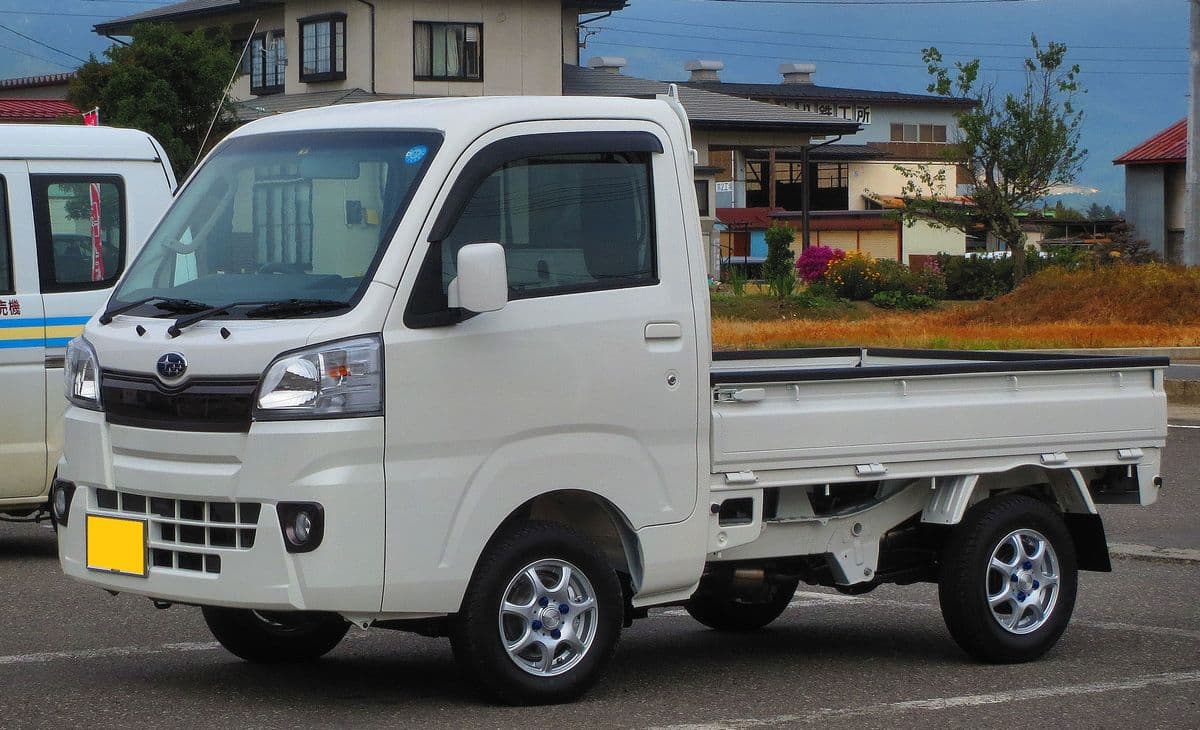
Subaru Sambar
1961-Present
Idaho means snow, logging roads, and Sun Valley grades. The Sambar 4WD with the supercharged variant has the rear engine traction and the climbing torque you want. It is the kei truck that handles Idaho winters without complaining.
Across the state line
Get the weekly kei truck brief
Law changes, price drops, new models, and build inspiration. One email a week.