Kei Truck & Kei Car Laws in Utah (2026)
LegalUtah registers kei trucks for road use with a 50 mph cap and no interstate access, plus Salt Lake County layers on stricter emissions checks.
Are Kei Trucks Legal in Utah?
Yes, kei trucks are legal throughout Utah. The state permits these Japanese mini trucks on public roads with a 50 mph speed restriction, though interstate highways remain off-limits. Utah's approach is generally permissive, but prospective owners should be aware of county-level variations, particularly regarding emissions testing.
Utah's legal framework doesn't specifically mention kei trucks but allows them under existing vehicle classification statutes. As with all states, vehicles must meet basic safety equipment standards and follow standard registration procedures through the Utah Division of Motor Vehicles.
The key to legal kei truck ownership in Utah is importing vehicles at least 25 years old, which qualify for the NHTSA 25-year import exemption from Federal Motor Vehicle Safety Standards (FMVSS). For more details, check our complete guide to importing a kei truck from Japan. Popular models include the Suzuki Carry, Honda Acty, Daihatsu Hijet, and Mitsubishi Minicab.
The most significant consideration for Utah buyers is location. Salt Lake County enforces stricter emissions standards than rural counties, which can make registration more challenging for older imported vehicles. For a detailed comparison, see our kei truck vs UTV guide. If you live in Cache, Davis, Salt Lake, Utah, or Weber counties, plan for emissions testing requirements.
How to Register a Kei Truck in Utah
Utah's registration process for kei trucks is similar to registering any imported vehicle. Here's the step-by-step guide:
Step 1: Complete VIN Inspection
All vehicles titled or registered in Utah for the first time require a Vehicle Identification Number (VIN) inspection. Complete Form TC-661 (Certificate of Inspection).
The VIN inspection can be performed by:
- Utah DMV employees
- Designated contractors
- Law enforcement agency employees
- Licensed vehicle dealers
- Certified safety inspectors
- Persons authorized in writing by the DMV
For kei trucks lacking standard 17-digit VINs, the inspector will document the existing identification and facilitate state VIN assignment if necessary.
Step 2: Gather Required Documents
Collect the following:
- Form TC-656 (Application for Utah Title and Registration)
- Proof of ownership (bill of sale, foreign title, or MSO)
- U.S. Customs import documentation (Form HS-7, 3299, 7501, or similar)
- Completed VIN inspection (Form TC-661)
- Valid government-issued identification for all owners
- Proof of Utah insurance
- Emissions test certificate (if required by county)
Step 3: Obtain Emissions Testing (If Required)
If you reside in Cache, Davis, Salt Lake, Utah, or Weber counties, your kei truck must pass emissions testing. Vehicles with model years more than six years old must be tested once every two years.
Visit a Utah-authorized emissions testing station. Testing costs approximately $25-$35.
Important: Vehicles 25 years or older may qualify for emissions exemptions in some circumstances. Check with the DMV or testing station about exemptions for antique or collector vehicles.
Step 4: Visit a DMV Office
Take all documents to your nearest Utah DMV office. DMV staff will review your paperwork, verify VIN inspection, and process your title and registration.
Step 5: Pay Fees
Utah uses age-based uniform fees for vehicle property assessment. Fees vary based on the vehicle's age and type:
- Title fee: $10
- Registration fee: $45-$150 (depends on age and assessed value)
- Uniform fee (property tax): Varies by vehicle age
- Local option fee: $10-$20 (varies by county)
- Total estimated cost: $100-$250 for initial registration
Fees decrease as vehicles age, so older kei trucks (which most imports are) fall on the lower end of the scale.
Step 6: Receive Plates and Documents
You'll receive Utah license plates and registration documents immediately upon approval. Keep your registration certificate in the vehicle at all times.
Restrictions and Limitations
Utah imposes specific restrictions on kei truck operation that owners must understand.
Speed and Road Restrictions
Kei trucks in Utah are subject to a 50 mph speed restriction. This means:
- You can drive on roads posted at 50 mph or lower
- You cannot drive on interstate highways (I-15, I-80, I-70, I-84)
- You cannot drive on highways or roads posted above 50 mph
- Some vehicles may be classified as low speed vehicles, prohibited on roads where the posted limit exceeds 35 mph
The 50 mph limit aligns reasonably well with kei truck capabilities, as most models top out around 50-55 mph with their 660cc engines. New to kei vehicles? Start with our beginner's guide to kei trucks.
Equipment Requirements
Utah requires all vehicles to meet basic safety equipment standards:
- Headlights and taillights
- Turn signals (front and rear)
- Brake lights
- Horn
- Mirrors (at least two: one interior or exterior, one exterior driver's side)
- Windshield wipers (if windshield present)
- Seat belts for all seating positions
- Adequate brakes
Many imported kei trucks require modifications to meet these standards, particularly for turn signals and seat belts.
County-Level Variations
Utah exhibits significant county-level regulatory differences:
Urban Counties (Salt Lake, Davis, Utah, Weber, Cache):
- Stricter emissions requirements
- More frequent enforcement of equipment violations
- Higher registration costs due to local fees
Rural Counties (most others):
- No emissions testing
- Generally more lenient enforcement
- Lower registration fees
- Greater familiarity with non-traditional vehicles (agricultural use)
Seasonal Considerations
Utah's winter weather can be harsh, especially in mountain regions. While not legally restricted, kei trucks' limited heating and power can make winter operation challenging. Many owners limit use to spring through fall.
Insurance Requirements
Utah mandates liability insurance for all motor vehicles operating on public roads. For more guidance, see our kei truck insurance guide.
Minimum Coverage Requirements
You must maintain at least:
- $25,000 bodily injury per person
- $65,000 bodily injury per accident
- $15,000 property damage per accident
Utah has the second-highest bodily injury per accident requirement in the nation ($65,000), so ensure your policy meets this threshold.
Finding Insurance for Kei Trucks
Insuring kei trucks in Utah can be challenging, as not all carriers recognize them as standard vehicles. Options include:
National Carriers:
- State Farm (agent discretion)
- Progressive
- Geico (availability varies)
Specialty Insurers:
- Hagerty (collector/specialty vehicle insurance)
- Grundy Insurance
- American Modern Insurance
Regional Options:
- Farm Bureau (particularly for agricultural use)
- Mountain States Insurance agencies
Expected Costs: Annual premiums range from $500-$1,000 for basic liability coverage. Rates depend on your driving record, location, and the insurer's comfort level with kei trucks. Urban Salt Lake County residents typically pay more than rural county residents.
Shopping Tips: Call multiple agents and explain that your kei truck is a legally registered light truck. Having photos, specifications, and registration documents ready helps. Agents familiar with agricultural equipment are often more accommodating.
Inspection and Emissions
Utah's inspection requirements vary significantly by county and vehicle age.
Safety Inspections
As of January 1, 2018, Utah no longer requires regular periodic safety inspections for most passenger vehicles. However:
- The one-time VIN inspection (Form TC-661) is mandatory during initial registration
- Law enforcement can cite you for equipment violations if safety features fail
- You're responsible for maintaining all required equipment in working order
Emissions Testing
Emissions requirements depend on your county:
Required in These Counties:
- Cache County
- Davis County
- Salt Lake County
- Utah County
- Weber County
Vehicles registered in these counties with model years more than six years old must undergo emissions testing once every two years.
Testing Cost: $25-$35 at authorized testing stations.
Exemptions: Vehicles 25 years or older may qualify for exemptions under certain conditions. Contact the Utah DMV or your local testing station to verify eligibility.
Not Required: Rural counties (most of Utah) have no emissions testing requirements, making registration much simpler.
Passing Emissions Tests
Older kei trucks sometimes struggle with modern emissions standards. Common issues include:
- High carbon monoxide levels
- Rich fuel mixtures
- Deteriorated catalytic converters (if equipped)
If your kei truck fails, consult a mechanic experienced with small-displacement engines. Sometimes simple tune-ups (spark plugs, air filter, fuel system cleaning) resolve issues.
Tips from Utah Kei Truck Owners
Utah's kei truck community, concentrated in rural counties and ski towns, offers these practical tips:
Choose Your County Wisely
If you're flexible about where you live, consider rural counties. Registration is easier, costs are lower, and emissions testing isn't required. Popular kei truck-friendly areas include Carbon County, Emery County, San Juan County, and Garfield County.
Salt Lake County Challenges
If you live in Salt Lake County, be prepared for stricter scrutiny. Have your emissions testing done early, and be ready to address any failures with mechanical work. Some owners register vehicles at rural addresses (with proper legal residency) to avoid these issues, though this carries legal risks.
Winter Preparedness
Utah winters are harsh. Many kei truck owners:
- Install aftermarket heaters
- Use winter tires or chains
- Store vehicles during peak winter months
- Avoid high-elevation roads in winter
Parts and Service
Utah has limited mechanics familiar with kei trucks. Options include:
- Agricultural equipment mechanics (familiar with small engines)
- Import specialists in Salt Lake City
- Online parts suppliers
- DIY repairs with guidance from r/keitruck
Community Resources
Join local enthusiast groups and online communities. Utah's kei truck owners often share mechanic recommendations, parts sources, and regulatory updates.
Route Planning
Use GPS apps that allow you to avoid highways. Google Maps, Waze, and others have "avoid highways" options, though always verify speed limits manually, as apps may route you onto 55+ mph roads.
Frequently Asked Questions
Can I drive my kei truck on Utah highways?
Only on highways with speed limits of 50 mph or lower. You cannot drive on interstate highways (I-15, I-80, I-70, I-84) or any road posted above 50 mph. Many state routes (US-6, US-89, etc.) have sections within legal limits.
Do I need a special license to drive a kei truck in Utah?
No. A standard Utah Class D driver's license is sufficient. Kei trucks are classified as standard motor vehicles, not requiring motorcycle endorsements or commercial licenses.
Can I use my kei truck for business purposes?
Yes, but ensure you have appropriate commercial insurance. Many Utah businesses use kei trucks for landscaping, property maintenance, and light hauling. Registration requirements are the same, but insurance and potential commercial licensing vary by business type.
What if I fail emissions testing in Salt Lake County?
Have your kei truck repaired and re-tested. Common fixes include tune-ups, replacing spark plugs, cleaning fuel systems, and addressing exhaust leaks. If repairs are prohibitively expensive, some owners explore exemptions for antique/collector vehicles or consider registering in rural counties (if they legally reside there).
Can I register a kei truck less than 25 years old in Utah?
Technically yes, but it requires compliance with all FMVSS regulations, which is expensive and complex. Nearly all Utah kei truck owners choose vehicles 25+ years old to take advantage of the NHTSA exemption.
Are lift kits and modifications allowed?
Yes, as long as all required safety equipment remains functional. Popular modifications include lift kits, larger tires, brush guards, and roof racks. Avoid modifications that disable turn signals, brake lights, or other required equipment.
What happens if I get pulled over?
If your kei truck is properly registered, insured, and meets equipment standards, you should have no issues. Carry your registration and insurance proof. Some officers may be unfamiliar with kei trucks, so having documentation ready helps.
Useful Links
- Utah Division of Motor Vehicles
- Vehicle Registration Information
- Utah Emissions Testing Locations
- Utah DMV Fee Schedule
- NHTSA Vehicle Importation Guidelines
- Hagerty Insurance
- r/keitruck Reddit Community
Utah offers a generally favorable environment for kei truck ownership, though county-level variations (particularly Salt Lake County's emissions requirements) create complexity. Rural counties provide the easiest path to registration and operation, while urban counties require more preparation and compliance. Whether you're using your Suzuki Carry on a southern Utah ranch or your Honda Acty in Park City, understanding Utah's 50 mph speed restriction and local regulations is essential. For comprehensive kei truck law guides across all states, our complete state-by-state guide. If you're near the border, you may also want to check kei truck laws in Idaho, Wyoming, Colorado, New Mexico, Arizona, and Nevada.
Where to actually buy one in Utah
1 verified kei truck dealer in Utah. Most handle import, titling, and delivery.
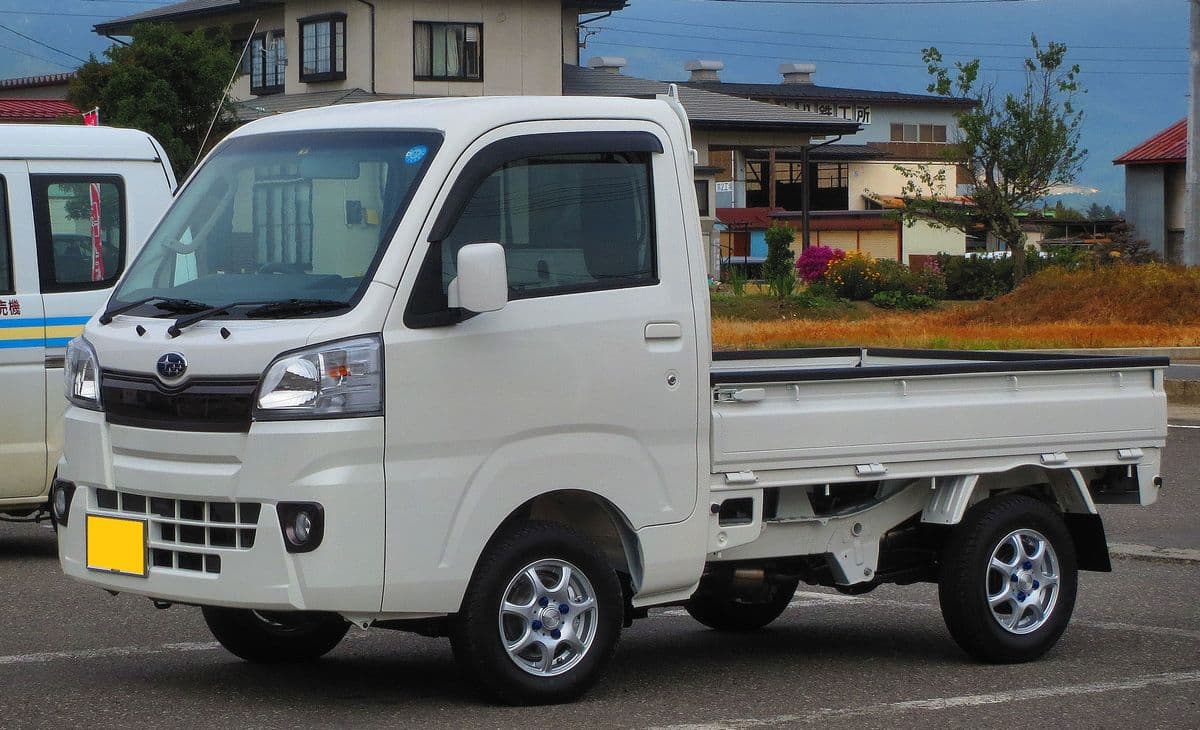
Subaru Sambar
1961-Present
Wasatch winters, Cottonwood Canyon snow, and Park City grades demand a kei truck with 4WD and weight over the rear axle. The Sambar 4WD supercharged variant climbs Utah grades without dying, and the rear engine layout keeps the drive tires planted when the road ices up.
Across the state line
Get the weekly kei truck brief
Law changes, price drops, new models, and build inspiration. One email a week.