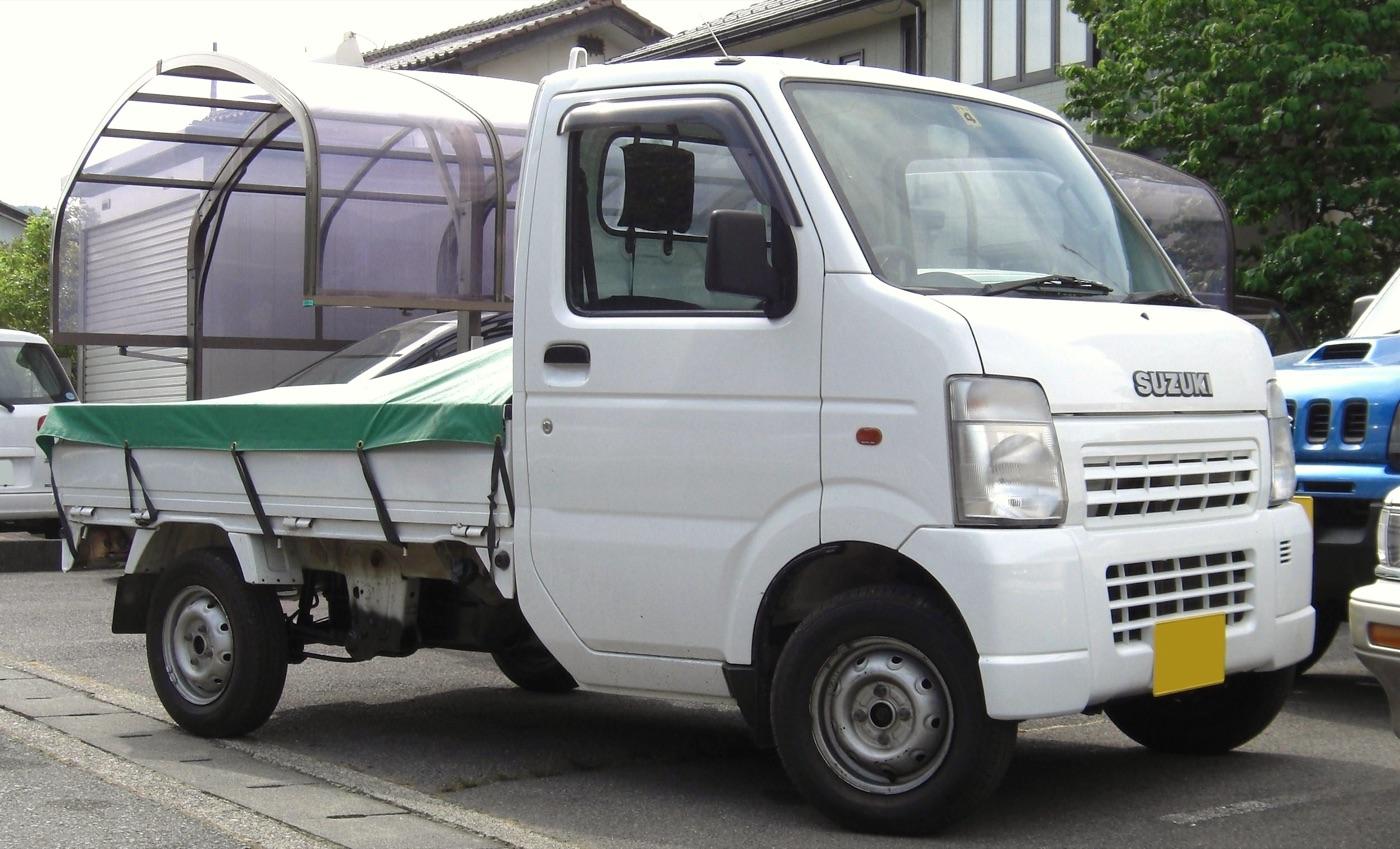
Are Kei Cars Legal in the US? The 25 Year Rule
Kei cars are legal to import once they are 25 years old, but federal clearance does not buy you plates. Here is the federal rule, why kei truck laws do not always cover kei cars, and where a Honda Beat or Suzuki Cappuccino hits a wall.
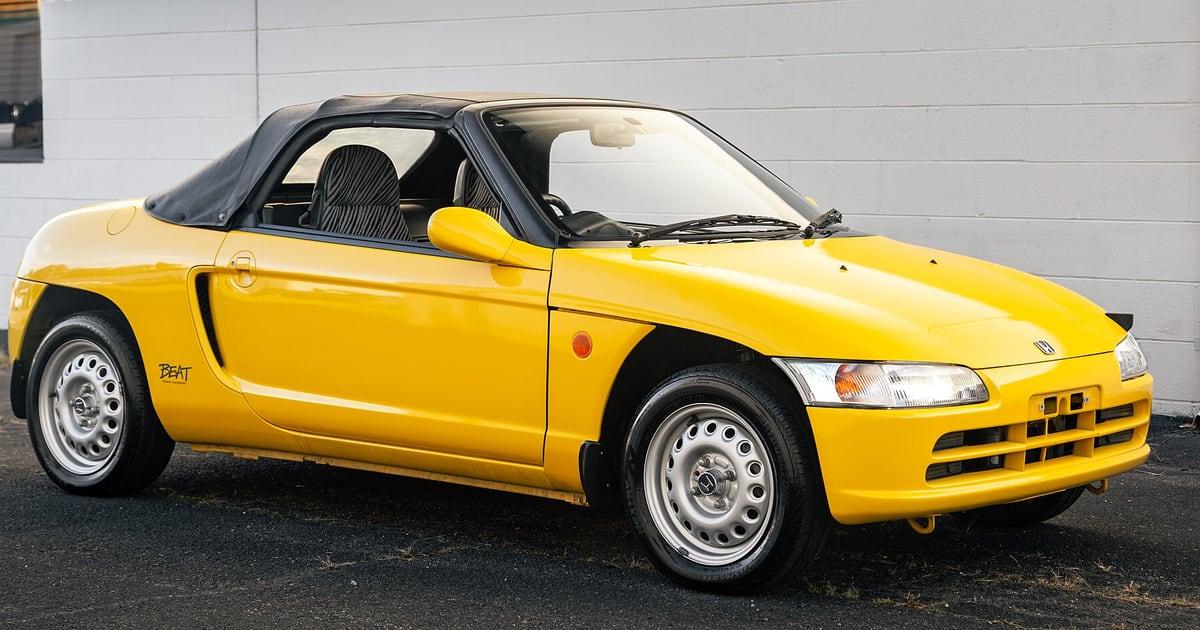
Photo: Honda Beat PP1. Guyon / Wikimedia Commons, CC BY 2.0. Cropped and resized.
TL;DR: A kei car at least 25 years old can qualify for the federal safety exemption, but it still needs to meet EPA import requirements. Plates are a separate state decision. Texas explicitly includes mini cars in its title guidance. Rhode Island names kei cars in its registration refusal, New York applies a compliance barrier to the whole kei class, and Colorado requires an enclosed passenger cab as well as numeric limits. A truck verdict alone cannot answer the car question.
Search for whether kei cars are legal and you mostly get answers about kei trucks. That is not the same question. A kei truck is a work vehicle that a lot of states now handle with a mini truck statute. A kei car is a tiny passenger car, and whether those truck laws reach it depends entirely on how each state wrote its definition. Here is how the federal rule works, where the state laws split, and what to check before you wire money to a Japanese auction house.
What Counts as a Kei Car
The Colorado General Assembly's own summary of its kei law describes a kei vehicle as the smallest road legal, four wheeled vehicle in Japan, imported into the United States as a used vehicle. That is the whole appeal. These are full size driving experiences shrunk to fit a Japanese parking space.
The cars Americans actually import are the enthusiast ones. The Honda Beat is a mid engine roadster that lives near its redline. The Suzuki Cappuccino is a turbocharged roadster with a removable roof. The Autozam AZ-1 is the rare one, a mid engine coupe with gullwing doors. The Suzuki Alto Works is a turbo hot hatch that seats four. The Daihatsu Copen, the folding hardtop convertible, is the youngest of the bunch, so check where it sits on the import calendar before you start shopping.
When a state bothers to define a kei car in law, it does it by size. Rhode Island's definition in General Laws 31-1-3 covers every motor vehicle of the keijidōsha class, including mini trucks, microvans, and kei cars imported under the federal 25 year exemption, with four wheels, an engine of 660cc or less, and a body no longer than 130 inches, no taller than 78 inches, and no wider than 60 inches. Notice the word "cars" in there. That one word matters later.
The Federal Rule: 25 Years Old, Then Paperwork
Every car sold new in the US has to meet the Federal Motor Vehicle Safety Standards, and a Japanese market kei car never did. The escape hatch is written straight into federal law. The section that bars importing noncompliant vehicles, 49 U.S.C. 30112, says in subsection (b)(9) that it does not apply to a motor vehicle that is at least 25 years old. No crash testing, no modifications, no registered importer.
The importer still has to say so on paper. Under 49 CFR 591.5, nobody may import a motor vehicle without filing a declaration, and paragraph (i)(1) is the one that matters here: the vehicle is 25 or more years old. NHTSA, the safety agency behind those standards, keeps its own walkthrough on its importation and certification FAQ. It confirms that the 25 years run from the date of manufacture. For exactly how the age is counted and which model years are clear right now, our 25 year import rule guide does the calendar math.
Emissions run on a separate clock. EPA Form 3520-1 has a code E for a vehicle at least 21 years old in original unmodified configuration, and it figures the age by subtracting the calendar year of manufacture from the year of importation. For replacement engines, code E lists the original engine model or an engine with its aftertreatment from a certified donor vehicle of the same age or newer. Customs may ask for proof of age. The 25 year safety threshold clears the EPA age threshold, but the engine conditions still matter.
Federal eligibility has two parts: the safety exemption and the emissions requirements. Age alone does not clear a car with an engine that fails the EPA exemption. Keep both declarations with the ownership documents. Neither federal clearance nor a customs receipt promises state plates.
Kei Truck Laws Are Not Always Kei Car Laws
This is where the searches go sideways. Plenty of the state laws people have heard about were written for mini trucks, and how far they reach depends on one definition.
Indiana is the classic truck only law. The Indiana BMV's mini truck title page opens its definition with "a truck," then lists the limits: 60 inches or less wide, an unladen dry weight of 1,600 pounds or less, a top speed of no more than 60 miles per hour, and a locking enclosed cab with a heated interior. A Cappuccino is not a truck, so that law, and its ban on running mini trucks on the interstate, simply does not describe it. That answers the truck question only. A kei car owner there is back to asking the BMV how it classifies the car.
Rhode Island went the other way, and it went hard. Because the 31-1-3 definition includes kei cars, the registration statute catches them too. General Laws 31-3-5 tells the registry to refuse registration or transfer of registration when the vehicle is a "Kei car" or "Kei truck." Cars validly registered before June 1, 2024 can renew but cannot be transferred, and the statute gives them the right to use public highways posted at 35 miles per hour or less. If you live in Rhode Island, a kei car is in the same box as a kei truck, and our Rhode Island page tracks the bills trying to change that.
Colorado is the one everybody searches, and its new law is written for kei vehicles, not mini trucks. The act as published in the 2025 session laws, chapter 176, defines a kei vehicle as one with an engine of 1,000cc or less or an electric motor of 56,000 watts or less, 67 inches or less wide, 140 inches or less long, riding on four or more tires, with a top speed of at least 50 miles per hour and an enclosed passenger cab, imported into the US at 25 years or older (or 25 years or older and already titled here). The definition does not require a truck body, but meeting the numbers alone is not enough. A car must also have an enclosed passenger cab. The act does not settle how a soft top roadster satisfies that requirement, so a Beat or Cappuccino needs a classification answer before you buy.
That cuts both ways. The act makes a kei vehicle a motor vehicle, bars it from roads with a speed limit above 55 miles per hour and from limited access highways, and tests its emissions with a two speed idle test against the standards for the model year it was built. It also says no one may require a VIN inspection just because a vehicle is kei. The act takes effect July 1, 2027 and applies to applications submitted on or after January 1, 2028. Our Colorado kei truck page walks through how that rollout lands.
Texas supplies a more direct car answer. SB 1816 treats qualifying miniature vehicles as motor vehicles for titles and registration, with public road use dependent on Texas title, registration, and compliance with traffic laws. The TxDMV title manual, section 14.12, explicitly includes mini cars alongside trucks, vans, and buses. That is agency guidance naming cars, rather than a guess based on truck dimensions. The Texas registration guide covers the ownership and import documents. An off highway designation on the supporting documents can still prevent registration.
Some barriers reach the whole class. Under New York Vehicle and Traffic Law 400-a, the commissioner can refuse a vehicle class considered unsafe for highway use. The New York DMV import instructions require proof of applicable federal safety and emissions compliance before registering or titling a kei class vehicle. Federal age exemptions do not satisfy that state demand. Our New York page explains the barrier.
Other answers remain conditional. A definition written for a truck can leave the passenger car question unanswered; a general import checklist can describe paperwork without confirming that the DMV accepts the car's classification. Read the car section of your state's guide, including its inspection and equipment limits. A statement that a statute appears to cover a car is an interpretation, not a DMV approval. The state map's truck colors cannot resolve those cases.
California Is the Hard Case
California does not need a kei law to keep kei cars off the road. Its emissions rules do it for any car built for another market. The California DMV's imported vehicle page says a direct foreign import not originally manufactured to meet California emissions standards and the federal safety standards cannot be registered in California unless the vehicle is modified and tested under CARB's direct import program. That is a state registration requirement, separate from permission to bring the car through customs.
CARB's grey market vehicle FAQ says a car from model year 1975 or later, more than two years past production, needs a Certificate of Conformance after laboratory testing. It notes limited exemptions for people moving to California with a vehicle registered in their home state for at least a year. Turning 25 does not itself remove the direct import requirements. Confirm the applicable route before committing to a car. The California kei truck page explains why trucks land in the same place.
Kei Car Legality FAQ
Can I import a kei car that is not 25 years old yet?
Not under the age exemption. US Customs says that, as a general rule, a vehicle less than 25 years old must comply with all applicable federal safety standards to be imported permanently. A nonconforming one has to go through a DOT registered importer who modifies and certifies it, with a DOT bond of one and a half times the car's dutiable value, all spelled out on CBP's importing a motor vehicle page. The same page says you file EPA Form 3520-1 and DOT Form HS-7 at entry, and that registration in a state may depend on meeting that state's requirements.
Do kei cars pay the truck tariff?
Generally no. CBP's duty list on that same page shows 2.5% for autos and 25% for trucks, based on the price paid or payable. A kei car is an auto.
Can I import a kei car with a swapped engine?
Do not assume a swap qualifies. Code E, linked above, lists the original engine model and a second option using a certified donor vehicle's engine and aftertreatment, with a donor no older than the car being imported. EPA's general guidance linked below still emphasizes matching the original engine model and configuration. Confirm the specific swap with EPA before shipping.
Is there one list of states where kei cars are legal?
Our state by state kei vehicle law guide has a separate kei car section for all 50 states. Read that section rather than treating the truck status as a car verdict. Texas names mini cars in its guidance; Rhode Island directly restricts them; New York applies a class wide compliance barrier. Colorado uses a body neutral definition with an enclosed cab requirement and a future application date. Elsewhere, the import paperwork may be clear while the classification or inspection answer remains open. Confirm the exact model and documents with your DMV before shipping.
The Bottom Line
Federal age eligibility is the first check, followed by EPA requirements and state registration. The state answers range from Texas's explicit mini car guidance to Rhode Island's named refusal, New York's class wide compliance barrier, Colorado's conditional future route, and California's direct import testing. Other states leave classification or inspection questions unresolved. A law that covers trucks does not automatically approve or prohibit a car. Do the homework in that order. Confirm the car's age, read your state's definition, and call your DMV with the chassis code in hand before the car is on a boat. EPA's own guidance on importing vehicles over 21 years old strongly encourages importers to contact its imports hotline before importation. Take the hint.