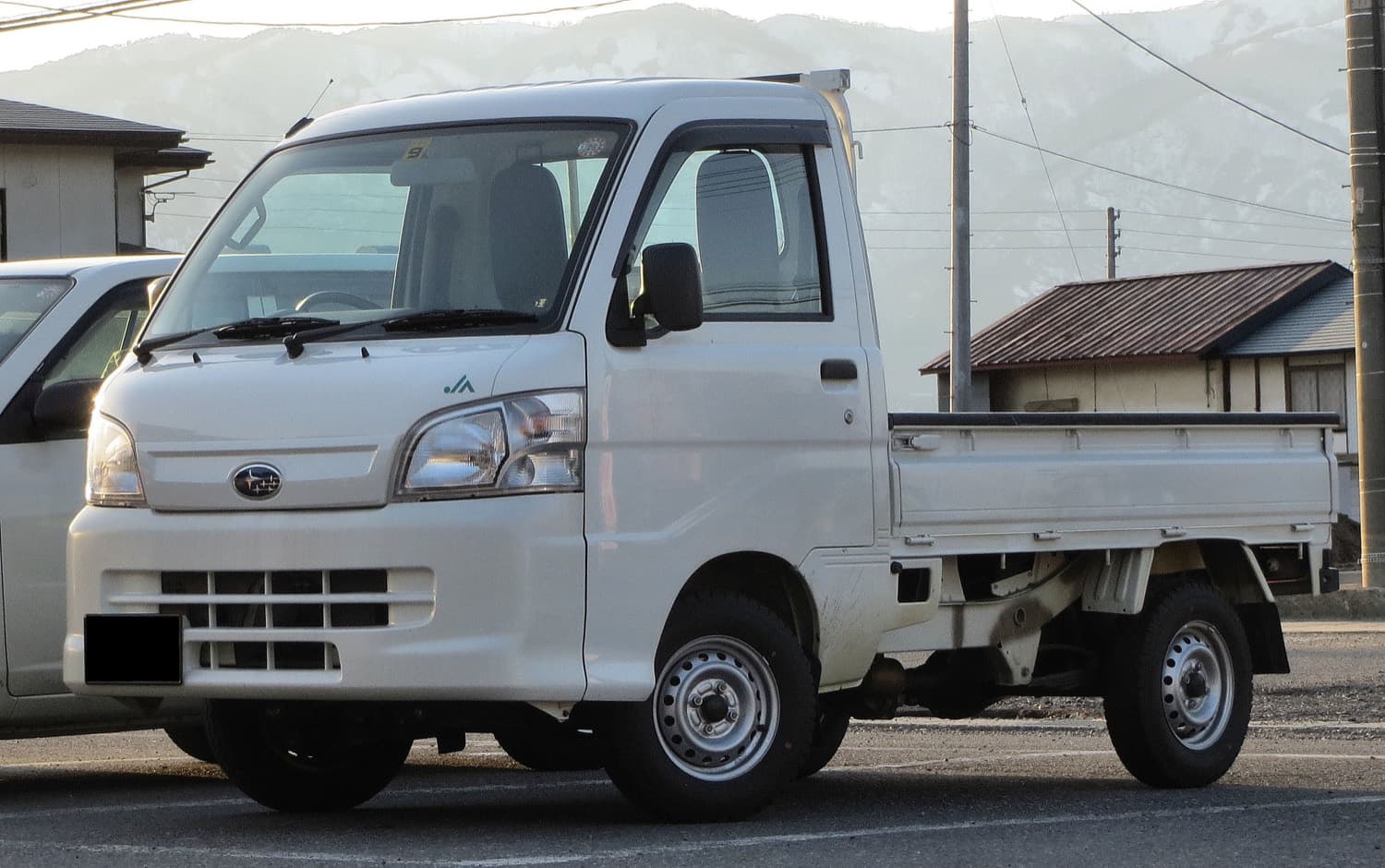
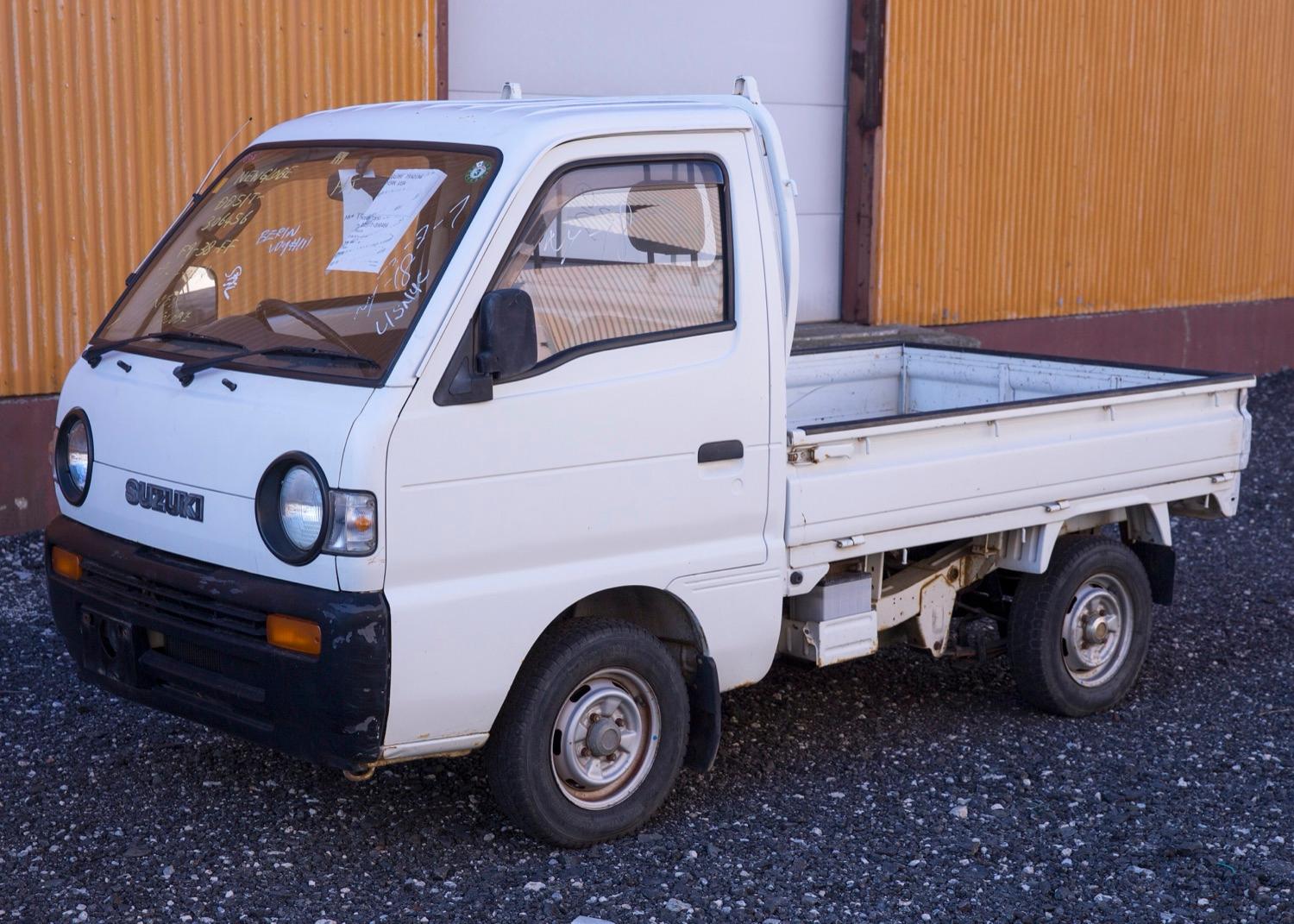
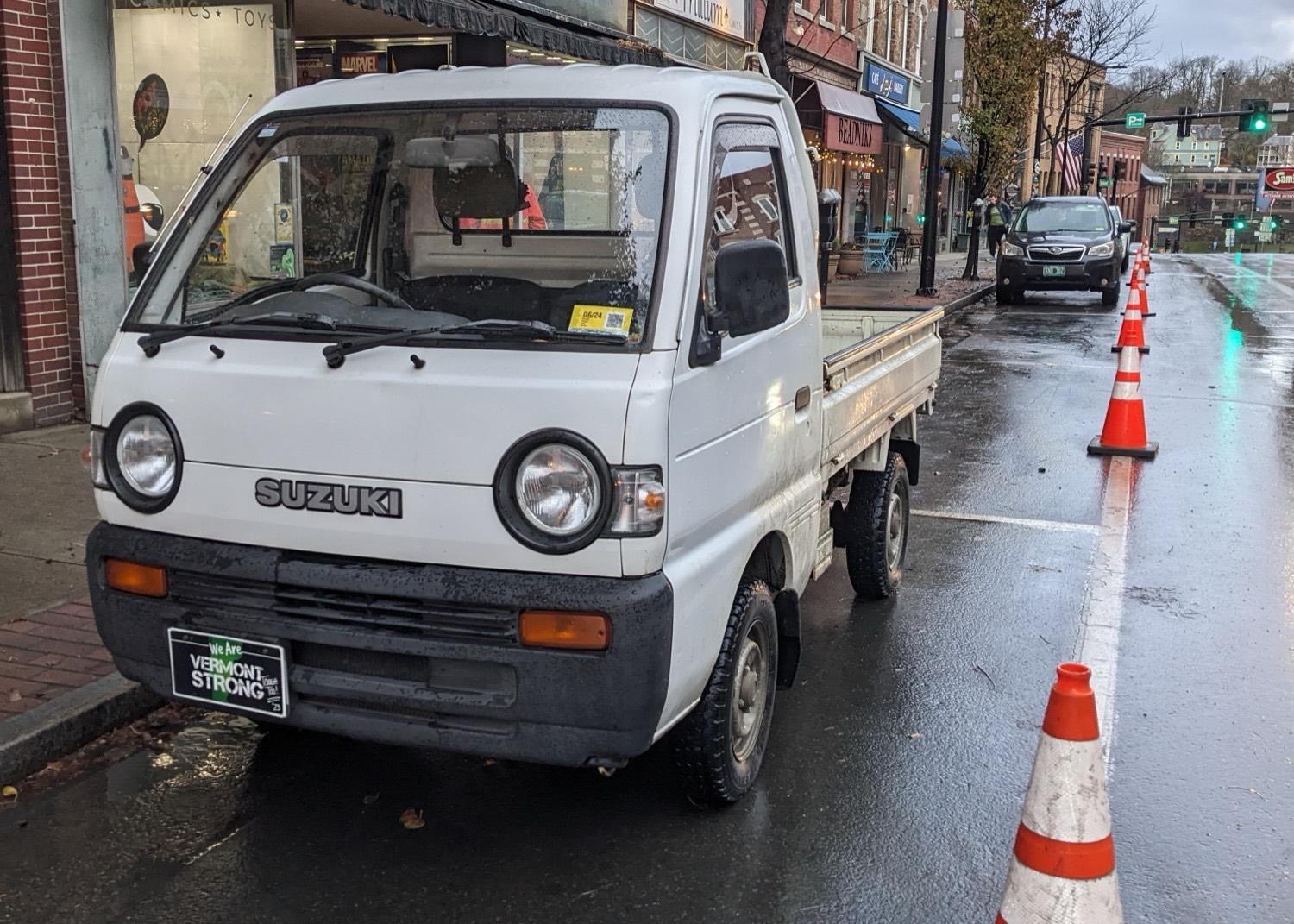
Montana LLC Kei Truck Registration: Legal at Home?
A Montana LLC can get your kei truck titled and plated in Montana. It cannot make the truck legal to drive in a state that refuses to register it. Here is how the Montana LLC kei truck route works, what your home state says, and who it actually makes sense for.
A Montana LLC kei truck registration is real: Montana will title and plate a kei truck owned by an LLC with a registered agent in the state, no matter where the LLC's owner lives. What it will not do is make that truck legal to keep and drive in your home state. Registration duties follow where you live and where the truck is garaged, not where the paperwork was filed, and Georgia and California, two states that refuse kei trucks, have already written new rules aimed at residents who own vehicles through out of state LLCs.
That is the short answer. The long one matters, because a Montana plate can look like it solved the problem right up until a traffic stop, a tax letter, or an insurance claim proves it didn't.
How the Montana LLC Route Works
The whole trick rests on one definition. Montana's motor vehicle code says that, for the title and registration chapter, a "Montana resident" includes "a business entity that maintains a principal place of business or a registered agent in this state." That language sits in MCA 61-1-101. Form an LLC, hire a Montana registered agent, and on paper your LLC is a Montanan, so its truck can get Montana plates.
Montana's title manual is blunt about the flip side: "Only a Montana resident can receive Montana titles and registration," and a business entity has to title in the county where it proves residency. That is why registration services pair the LLC with a registered agent address. The same manual says that since October 23, 2024, Japanese mini trucks with an intact chain of ownership skip the bonded title process and go through Montana's unconventional light vehicle procedure; a truck that passes the street legal inspection is registered as a passenger car or truck.
The money is the draw. Montana has no general sales tax, and older trucks barely cost anything to keep plated. Under MCA 61-3-562, the owner of a light vehicle 11 years old or older can register it permanently for an $87.50 registration fee plus the other fees the statute lists, and never renew again. Every kei truck you can legally import under the 25 year rule clears that 11 year line with room to spare, so a Suzuki Carry bought this year can wear one plate for as long as the LLC owns it. Our Montana state law page covers the registration paperwork itself, from import documents to the VIN check.
None of that is illegal in Montana; the statute says so in plain words. The legal question is not in Helena. It is in your home state.
Your Home State Does Not Care Where the LLC Lives
New York, Maine and Georgia, three of the states that refuse kei trucks on our state legality map, all expect residents to register their vehicles at home. Out of state plates are for visitors and people passing through, not for a truck that lives in your barn.
New York is typical. The DMV's page on registering an out of state vehicle says that if you are a resident and "you get a vehicle from another state you will be driving on New York State roadways," you "must register the vehicle here within 30 days." New York also refuses to register kei trucks, which our New York kei truck page walks through. If New York treats the truck as yours, the Montana plate does not stand in for a New York registration. It stands in for a registration New York would never issue.
Maine shows how little the LLC wrapper helps. Its motor vehicle title defines a "person" as "an individual, corporation, firm, partnership, joint venture, association, fiduciary, trust, estate or any other legal or commercial entity," and the same section deems a person a resident "for all vehicles owned by that person that are garaged or maintained in this State." Both definitions sit in 29-A MRSA §101, and the resident rule carries one exception: section 109 exempts a nonresident owner that has complied with the registration laws of its home jurisdiction. That exception is the entire bet a Montana LLC makes. The question is whether Maine will accept a one truck LLC as a nonresident when its only truck never leaves a Maine shed.
If it won't, Maine already has the penalty on the books. Under 29-A MRSA §514, a person required to register a vehicle in Maine "who instead registers the vehicle in another state" is guilty of evasion of registration fees and excise taxes, a traffic infraction with a fine of $500 to $1,000. Maine treats a kei truck as an off road vehicle that cannot be registered for its roads, as our Maine kei truck page explains, so there is no legal Maine registration for that Montana plate to stand in for.
That is the trap in one sentence: in a ban state, the Montana LLC does not move your truck into a legal category. It takes a truck your state will not register and adds an out of state registration your state can treat as evasion the moment it decides the truck is really yours.
The Crackdown Already Started, and It Is Not About Kei Trucks
States have spent the last two years going after the Montana LLC plate. Their targets are luxury cars, not 660cc farm trucks, but the laws do not care what the vehicle costs.
Georgia is the sharpest example for kei owners, because Georgia also refuses to title kei vehicles, as our Georgia kei truck page covers. Starting January 1, 2026, HB 551 doubles Georgia's title ad valorem tax late penalty for any Georgia resident who owns at least 50 percent of a "passive entity" that fails to register its vehicle on time. The Department of Revenue's bulletin on plates from other states spells out what a passive entity is: an LLC, corporation, or partnership formed in another state with no established place of business in Georgia, owning no real property, and doing nothing but holding assets. That describes a one truck Montana LLC. The base penalty is 10 percent of the unpaid tax once you are more than 30 days late, plus interest of 1 percent a month after 60 days, and HB 551 doubles it for passive entity owners.
Utah went after it with data. A 2025 law lets the State Tax Commission hire an agent to find the address where each vehicle's insurance is tied, and compare it against registration records. Owners whose insurance points to Utah but whose plates do not get a letter giving them 60 days to register in Utah and pay sales tax, plus a $150 fine, according to reporting by KUER and Montana Public Radio. Nearly 90 percent of the vehicles flagged carried Montana registrations. Jason Gardner, deputy executive director of the Utah State Tax Commission, summed up the idea that an LLC makes a car a Montana resident in one word: "nonsense."
California wrote it into law. Gov. Newsom signed SB 1406 on September 30, 2026, and it took effect immediately, according to the bill author's office. It counts a shell company as a California resident under sales tax law when at least one member is a California resident, and it lets the state's tax agency hold the members personally liable for the tax. California is another state that will not register a kei truck, so a Californian's Montana LLC can now be treated as a California resident for tax on a truck California still will not plate.
Notice what these laws have in common. None of them mentions kei trucks, and none of them needs to. Georgia and California look through the LLC to the person who owns it, and Utah finds that person through the insurance address. They are also tax laws: they decide what you owe, not whether the truck is road legal, and in a ban state it still is not.
The Insurance Problem Nobody Mentions
The address that gives you away is usually your insurance address, and that is the risk that can cost you far more than a fine.
An insurer prices a policy on where the vehicle is garaged. If the application says Montana and the truck actually lives in New York, the policy was sold on a false fact. In April 2026 the Michigan Supreme Court decided exactly that kind of case in Sherman v Progressive. The policyholder had misstated where the vehicles were garaged and who lived in the household; the true facts would have raised the premium 83.2 percent. Progressive denied coverage and rescinded the policy, and the court held that rescission "is justified without regard to the intentional nature of the misrepresentation, as long as it is relied upon by the insurer" and is material. It affirmed that Progressive was entitled to rescind.
That ruling is Michigan law, and courts weigh the facts of each case, so it is not an automatic outcome everywhere. But think through what it means for a kei truck. The day you need your liability coverage is the day you hit somebody, and that is also the day an adjuster asks where the truck lives. A rescinded policy leaves you personally on the hook for the claim. Our kei truck insurance guide covers carriers that will write a kei truck honestly at its real address, in the states that register them.
When a Montana LLC Actually Makes Sense
There are honest uses for the setup. They just all involve the truck living where the plate says it does.
If the truck spends its life in Montana, at a ranch, a hunting cabin, or a second home, a Montana LLC registration matches reality and Montana law welcomes it. The Montana MVD title manual even lets a nonresident who owns real property in Montana title a vehicle there without an LLC. The same goes for a seasonal resident who keeps a truck there and trailers it rather than driving it home. If you live in a state that already registers kei trucks, the LLC buys you nothing but a fight with your own tax department; register at home and skip it. Our import guide covers the paperwork for that.
If you live in a ban state, the honest options are narrower: run the truck on private property, use whatever off road or farm title your state allows, or put your energy into the bills that would change the law. Texas, Colorado and Vermont all passed kei laws after owners pushed for them, and the states that flip next will be the ones where owners called their legislators. Talk to a lawyer licensed in your state before you rely on any registration that does not match where the truck lives; this article is not legal advice.
The Bottom Line
A Montana LLC is a legal way to get Montana plates. It is not a legal way to drive a kei truck in a state that will not register one. Your home state decides that. Maine has penalized residents who register elsewhere for decades, and Georgia, Utah and California spent 2025 and 2026 adding rules that look through the LLC to the person who owns it.
If your truck lives in Montana, the plate fits. If it lives in your barn in a ban state, the Montana plate turns an off road truck into a registration problem, a tax problem, and an insurance problem, all for a truck that still is not legal on your roads. The real fix is the slow one: a state law that registers kei trucks where you live.
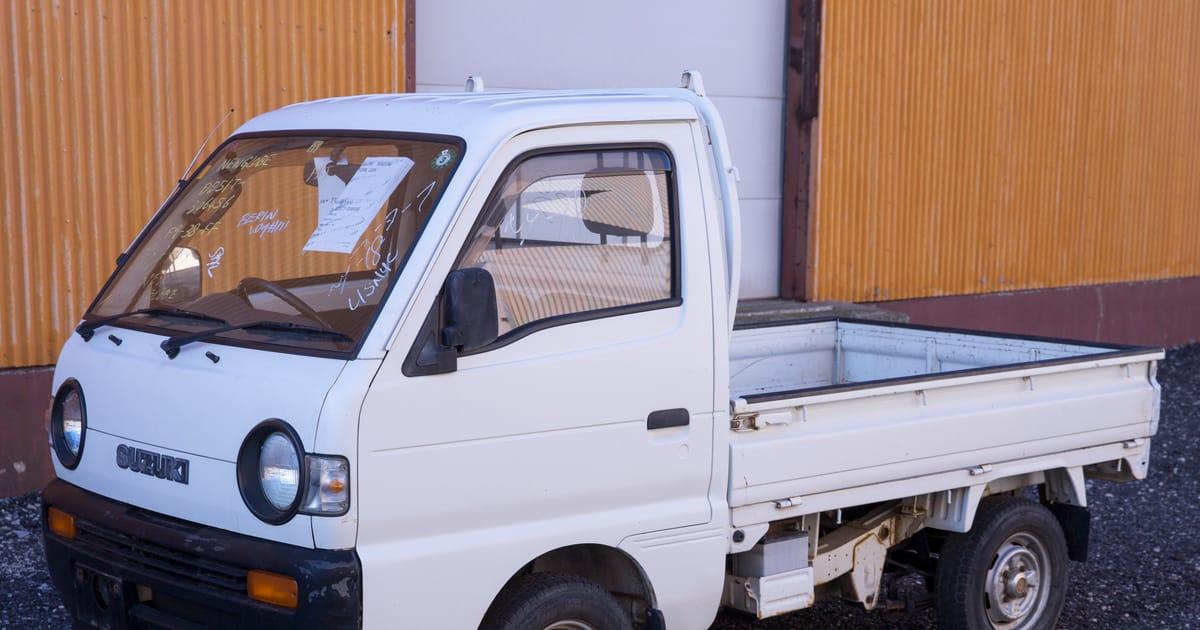
Hero photo: "1993 Suzuki Carry 4WD truck in White, front left" by Mr.choppers, CC BY-SA 3.0, via Wikimedia Commons. An unplated import at Port Newark, cropped to 1200x630.